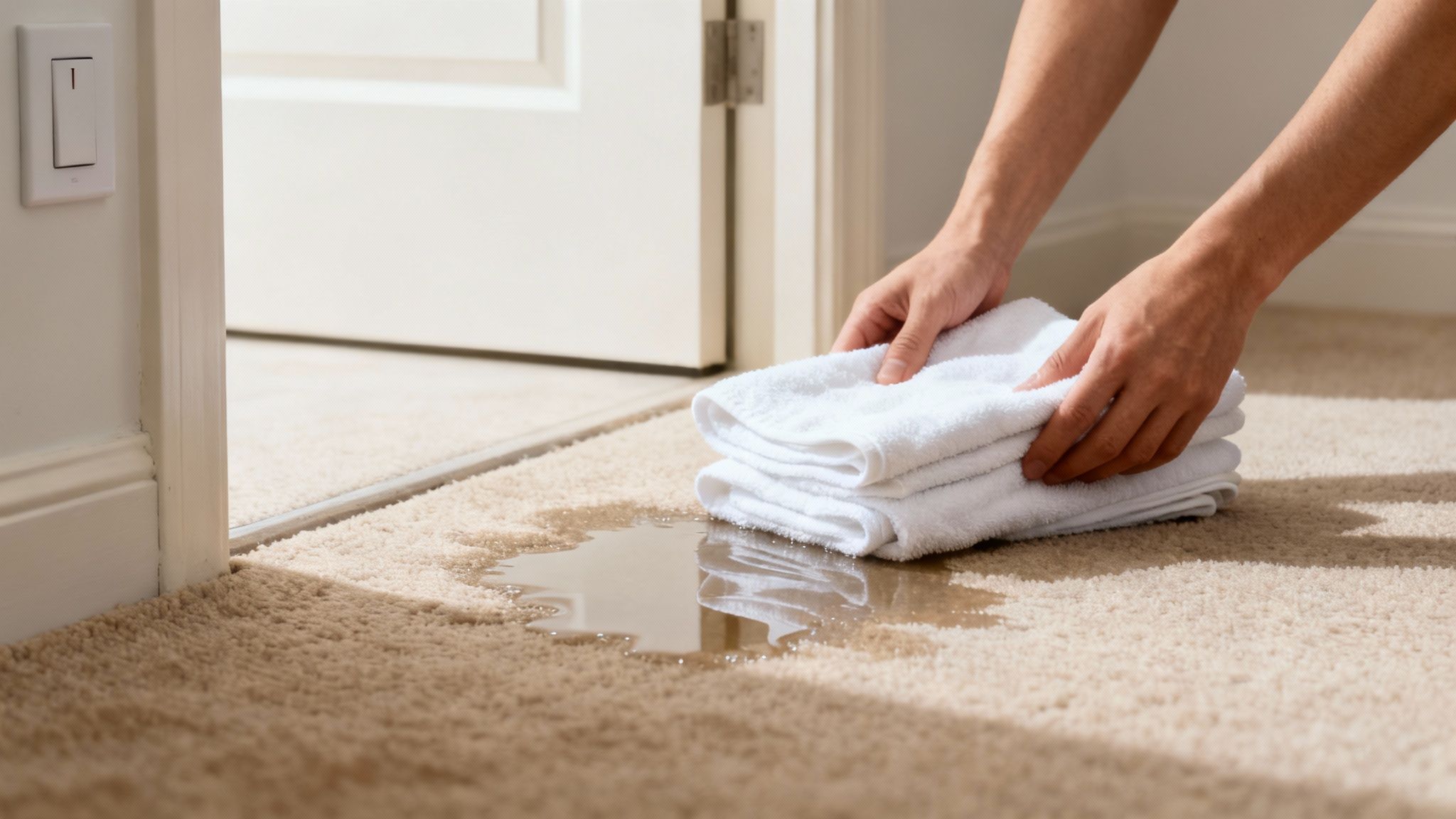
Carpet Cleaning After Flooding in Viera after flooding: Step‑by‑Step Process Explained
Flooding is one of the most stressful problems homeowners in Viera face, especially during heavy rains, tropical storms, or plumbing failures. Even when standing water is removed quickly, carpets often absorb moisture deep into the fibers, padding, and subfloor. If not handled properly, this trapped moisture can lead to odors, staining, and long-term structural concerns.
Understanding how carpet cleaning works after flooding helps homeowners make informed decisions and avoid problems that may appear weeks later.
What Happens to Carpets After Flooding
Carpet acts like a sponge. During flooding, water quickly soaks through the visible fibers and into the padding beneath. In many cases, moisture spreads even further into the subfloor and baseboards.
After flooding in Viera homes, carpets may experience:
- Saturated padding beneath the carpet
- Embedded dirt or debris carried by water
- Lingering moisture trapped under flooring
- Odors caused by organic material in the water
- Increased humidity inside the home
Even when the carpet surface begins to feel dry, the layers underneath may still hold moisture for days.
Why Flooding Creates Long-Term Carpet Problems in Viera
Several local conditions make carpet drying more challenging in Viera and nearby areas like Melbourne, Rockledge, and Palm Bay.
High humidity
Moist air slows evaporation, meaning carpets and padding take longer to dry than in drier climates.
Warm temperatures
Heat combined with moisture creates conditions where odors and contamination can develop quickly.
Frequent storms
During rainy season, repeated storms can keep indoor humidity elevated, slowing drying even further.
Subfloor absorption
Wood or concrete subfloors can retain moisture, allowing dampness to re-enter carpet materials even after surface drying.
These factors make professional drying and cleaning especially important.
Common Signs Carpets Need Professional Cleaning After Flooding
After a flood event, homeowners often notice early warning signs that carpets need attention:
- Musty or damp odors
- Darkened areas or staining
- Carpet feeling slightly damp underfoot
- Wrinkling or loosening of carpet
- Increased humidity indoors
- Recurring odors even after surface cleaning
These signs usually indicate moisture remains trapped below the surface.
Hidden Moisture Most Homeowners Don’t See
Floodwater often travels further than expected. Even when carpets look dry, moisture may remain in:
- Carpet padding
- Subfloor materials
- Baseboards and drywall edges
- Closets or low-airflow rooms
- Areas under furniture
Moisture detection tools are often used to confirm whether these areas have fully dried.
Why DIY Carpet Cleaning Usually Falls Short
Many homeowners try to dry carpets using fans or household wet vacuums. While these methods help remove some water, they often cannot extract moisture deep in padding or subfloors.
DIY limitations include:
- Insufficient extraction power
- No way to measure hidden moisture
- Slow drying that allows odors to develop
- Incomplete cleaning of contaminants
Without proper drying and cleaning, carpets may continue to smell or deteriorate over time.
Step-by-Step Process of Professional Carpet Cleaning After Flooding
A structured cleaning and drying process helps restore carpets safely and effectively.
Step 1: Inspection and moisture assessment
Technicians evaluate the extent of water exposure and measure moisture levels in carpet, padding, and surrounding materials. This determines whether the carpet can be restored or if replacement of padding is necessary.
Step 2: Water extraction
High-capacity extraction equipment removes as much water as possible from the carpet and padding. This step is critical because the faster water is removed, the lower the risk of odors and contamination.
Step 3: Removal of damaged padding when necessary
In some cases, padding cannot be fully dried and must be replaced. Removing affected padding allows the subfloor to dry properly.
Step 4: Drying and airflow
Air movers and dehumidifiers are placed strategically to accelerate drying. This step often continues for 24–72 hours depending on conditions.
Step 5: Deep cleaning and sanitizing
Once carpets are dry enough, professional cleaning removes dirt, residues, and odors left behind by floodwater. Cleaning methods are selected based on carpet material and the type of water involved.
Step 6: Final inspection and moisture verification
Moisture readings confirm that carpets and surrounding materials have returned to safe levels before equipment is removed.
This step-by-step approach ensures carpets are not only clean but also properly dried.
How Flood Restoration and Water Damage Repair Fit In
Carpet cleaning is often only one part of recovery after flooding. Water may also affect:
- Baseboards and drywall
- Subfloors
- Cabinets and trim
- HVAC systems
Water removal and structural drying are often performed first to stabilize the home before final carpet cleaning is completed.
Air Ducts, HVAC Systems, and Indoor Air Quality
Flooding can increase humidity inside a home, affecting HVAC systems and ductwork. Moisture may enter ducts or air handlers, especially if the system continues running during a flooding event.
Cleaning and inspection of HVAC systems can help:
- Improve airflow
- Reduce odors
- Prevent contaminants from circulating
- Maintain proper humidity control
These steps often support long-term indoor air quality after flooding.
Preventing Carpet Damage in Future Flooding Events
While flooding cannot always be avoided, homeowners can reduce long-term damage by acting quickly.
Helpful steps include:
- Removing standing water immediately
- Increasing airflow and ventilation
- Lifting furniture off wet carpet
- Beginning drying within the first 24 hours
- Scheduling professional inspection if carpets remain damp
Quick response is often the most important factor in saving carpets.
Why Local Experience Matters
Homes in Viera, Melbourne, Palm Bay, and Rockledge share similar flooring materials, construction styles, and climate conditions. High humidity, warm temperatures, and frequent storms affect how quickly carpets dry and how moisture spreads through building materials.
Professionals familiar with Brevard County homes understand how to locate hidden moisture, dry structures properly, and clean carpets in a way that prevents recurring odors or damage.
Palm Bay Mold Removal works with homeowners across Viera and surrounding communities to assess water damage, perform moisture detection, and guide carpet cleaning and drying processes that protect flooring and indoor air quality.
A Calm, Practical Next Step
If your home in Viera has experienced flooding and carpets still feel damp or smell musty, it is wise to schedule an inspection and moisture check. Early cleaning and drying prevent long-term problems and help restore a comfortable indoor environment.
Addressing carpet damage promptly helps protect both the appearance of the home and the structural materials beneath, ensuring your living space remains clean, dry, and stable after flooding.