How Moisture Detection Helps Homes in Viera during Rainy Season
Rainy season in Viera brings lush landscapes and cooler afternoons, but it also introduces a challenge many homeowners don’t immediately see—hidden moisture. While puddles dry and surfaces appear normal, water often lingers inside walls, ceilings, insulation, and flooring. Over time, that trapped moisture can lead to structural damage, odors, and mold growth.
Moisture detection plays a key role in protecting homes during and after extended rainfall. It allows property owners to identify damp areas early, correct problems quickly, and avoid larger repairs later.
What Moisture Detection Actually Does
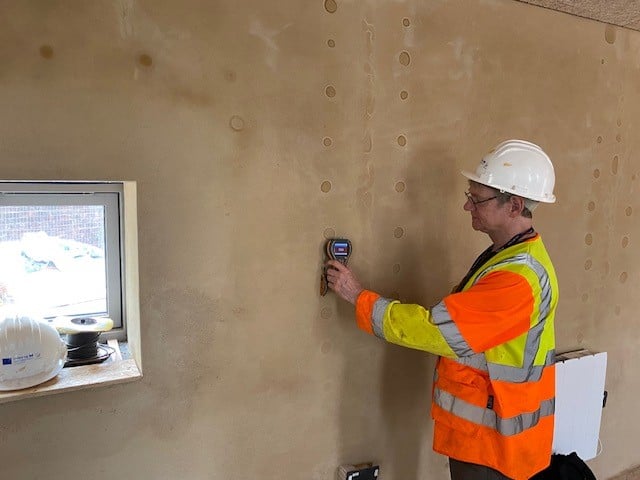
Moisture detection is the process of locating hidden dampness inside building materials before visible damage occurs. Specialized tools can measure moisture levels in drywall, wood, flooring, and insulation without tearing open large sections of the home.
This process helps answer important questions:
- Is moisture still present after a storm or leak?
- Are walls or ceilings drying properly?
- Is humidity inside the home higher than normal?
- Could hidden dampness lead to mold growth?
Instead of guessing, homeowners get clear information about the condition of their home.
Why Rainy Season Creates Moisture Problems in Viera
Viera and nearby communities such as Melbourne, Rockledge, and Palm Bay experience frequent rainstorms and high humidity during much of the year. Several local conditions make moisture detection especially valuable.
Frequent heavy rainfall
Repeated storms can allow small amounts of water to enter through roofs, windows, and exterior walls. Even minor intrusion can raise indoor moisture levels.
High outdoor humidity
Humidity slows evaporation, meaning wet materials take longer to dry. Without proper airflow, moisture may remain trapped for days or weeks.
Storm-driven wind and rain
Wind can push water into places it normally would not reach, including soffits, attic vents, and door seals.
Air conditioning workload
AC systems work hard to remove humidity. When systems are overworked or drains become restricted, indoor moisture can increase.
Landscape saturation
Soil around foundations can remain wet for long periods, allowing moisture to migrate into slab edges or lower walls.
Common Signs Homeowners Notice
Moisture problems often begin with subtle symptoms that are easy to overlook. During rainy season, homeowners in Viera sometimes notice:
- A musty or damp smell indoors
- Paint bubbling or peeling
- Darkening or staining on ceilings
- Warped baseboards or trim
- Floors that feel slightly uneven or soft
- Increased indoor humidity
- Condensation on windows or vents
These early signs are often the first indication that moisture is present where it shouldn’t be.
Hidden or Overlooked Sources of Moisture
One of the biggest benefits of moisture detection is identifying areas homeowners rarely inspect.
Wall cavities
Water entering through small exterior openings may soak insulation and framing without leaving visible stains right away.
Attic insulation
Roof leaks sometimes dampen insulation gradually, especially after repeated storms.
HVAC systems and ductwork
Condensation or humid air entering ducts can introduce moisture that spreads throughout the system.
Under flooring
Laminate, tile, or vinyl flooring may trap water underneath, slowing the drying process.
Closets and low-ventilation areas
Rooms with limited airflow often retain humidity longer than open living spaces.
Detecting moisture in these hidden areas early helps prevent larger structural problems.
Why DIY Methods Often Miss the Problem
Homeowners sometimes rely on visual inspections or touch to determine whether materials are dry. Unfortunately, moisture is often present long before surfaces feel damp.
DIY limitations include:
- Moisture inside walls cannot be seen
- Surface dryness may hide deeper dampness
- Household humidity meters do not locate exact sources
- Small leaks can remain undetected for months
Professional moisture detection equipment measures internal moisture levels, providing a more accurate picture of conditions inside the home.
How Professional Moisture Detection Works
A structured moisture inspection typically includes several steps designed to locate both visible and hidden dampness.
Initial visual inspection
Areas affected by storms, leaks, or humidity are examined for staining, swelling, or discoloration.
Moisture meter readings
Technicians measure moisture levels in walls, ceilings, and flooring to identify areas that remain wet.
Thermal imaging when needed
Temperature differences may reveal hidden moisture pockets behind walls or ceilings.
Humidity assessment
Indoor humidity levels are evaluated to determine whether the environment is supporting drying.
Evaluation of related systems
Attics, ductwork, and air handlers may be inspected because moisture often travels through these areas.
The goal is to locate the source of moisture, not just the symptoms.
Flood Restoration and Water Damage Repair
Moisture detection often guides the next steps after heavy rainfall or minor flooding. If water damage is found, drying and repairs may include:
- Water removal and extraction
- Structural drying using air movers and dehumidifiers
- Removing saturated materials when necessary
- Repairing damaged drywall, insulation, or flooring
Addressing moisture quickly reduces the likelihood of mold developing later.
Air Ducts, AC Systems, and Moisture Control
HVAC systems play a major role in managing indoor humidity. During rainy season, ducts and air handlers may accumulate moisture if airflow is restricted or drain lines are partially clogged.
Moisture detection around HVAC systems can help:
- Identify condensation problems
- Prevent odors and contamination
- Improve airflow efficiency
- Reduce humidity-related wear on equipment
Air duct cleaning and AC maintenance are often recommended if moisture buildup has been present.
How Moisture Detection Helps Prevent Mold
Mold requires moisture to grow. By locating and removing moisture early, homeowners reduce the conditions that allow mold to develop.
Early detection helps by:
- Identifying damp areas before mold becomes visible
- Allowing drying to begin sooner
- Preventing structural materials from deteriorating
- Improving indoor air quality
In many cases, moisture detection prevents the need for extensive remediation later.
Practical Prevention Tips for Rainy Season
Homeowners in Viera can take several steps to reduce moisture problems during extended rainfall.
- Inspect roofs and gutters regularly
- Ensure downspouts direct water away from foundations
- Check attic ventilation and insulation
- Maintain AC systems and drain lines
- Use exhaust fans in kitchens and bathrooms
- Keep indoor humidity levels controlled
- Address leaks immediately, even small ones
These steps help maintain a dry and stable indoor environment throughout the rainy season.
Why Local Experience Matters
Homes in Viera, Palm Bay, Melbourne, and Rockledge share similar construction styles and climate conditions. Professionals familiar with Brevard County understand how seasonal rains affect slab foundations, attics, and duct systems, and where moisture is most likely to appear first.
Palm Bay Mold Removal works with homeowners across the region to locate hidden moisture, evaluate potential risks, and recommend practical solutions that protect homes during Florida’s rainy months.
A Calm Next Step for Homeowners
If your home has experienced repeated storms, high indoor humidity, or minor leaks, moisture detection provides clarity and peace of mind. Identifying damp areas early allows problems to be corrected before they spread, helping keep homes in Viera safe, dry, and comfortable year-round.