
Carpet Cleaning After Flooding in Viera After Water Damage: Inspection and Repair Guide
Flooding in Viera homes doesn’t always come from dramatic storm surge. Sometimes it’s a roof leak during a heavy thunderstorm. Other times it’s a failed water heater, a burst supply line, or rising groundwater after days of rain. No matter the source, when water reaches carpeted areas, quick and structured action becomes critical.
Carpet cleaning after flooding is not the same as routine deep cleaning. In Viera’s humid climate, moisture lingers longer than many homeowners expect. If not handled properly, wet carpet can lead to subfloor damage, odor issues, and potential mold growth.
This inspection and repair guide explains how professionals evaluate flooded carpet, what can be saved, what may need replacement, and how to prevent long-term problems.
Why Flooded Carpet Is a Serious Issue in Viera
Viera experiences heavy seasonal rainfall, high humidity, and frequent afternoon storms. Even inside newer developments, moisture can spread quickly once it enters the home.
Carpet fibers absorb surface water immediately. The padding underneath acts like a sponge, trapping moisture tightly against the subfloor.
In Florida’s climate:
Drying takes longer
Humidity slows evaporation
Moisture spreads beyond visible areas
Odors develop quickly
Even if standing water appears minimal, hidden dampness beneath the carpet can create structural concerns.
Homes in nearby Rockledge and West Melbourne face similar humidity patterns, but Viera’s combination of slab foundations and attic-installed HVAC systems adds unique moisture pathways.
Step 1: Identify the Source of Water
Before cleaning begins, the source of water must be addressed.
Possible causes include:
Roof leaks after storms
Broken plumbing lines
Overflowing appliances
AC condensate drain failures
Groundwater intrusion
If the water source is not corrected first, drying efforts will fail and damage will continue.
Professional inspection confirms whether the issue is ongoing or isolated.
Step 2: Evaluate the Category of Water
Not all water is equal.
Clean water from a supply line leak may allow for carpet restoration if addressed quickly.
Gray water from appliances or contaminated sources increases health risks.
Floodwater from outside the home often carries debris and contaminants, making replacement more likely than cleaning.
The category of water heavily influences whether carpet can be salvaged safely.
Step 3: Immediate Water Extraction
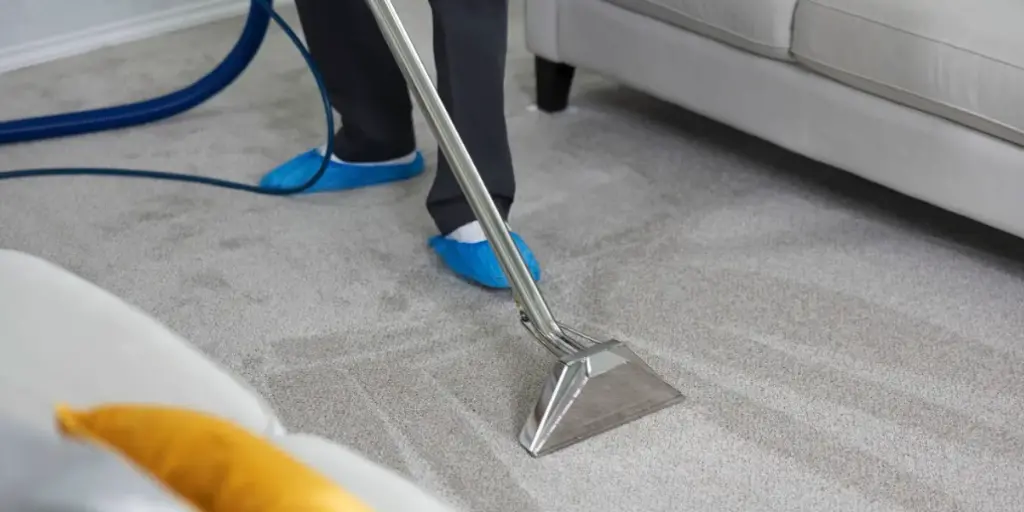
High-powered extraction is the first technical step in restoration.
Professional equipment removes large volumes of water from carpet fibers and padding. The goal is to minimize absorption into the subfloor.
Household wet vacuums are rarely sufficient for widespread flooding.
The sooner extraction begins, the higher the chance of successful restoration.
In Viera’s humid environment, delays significantly increase drying time.
Step 4: Padding Assessment and Removal
Carpet padding holds more moisture than the carpet itself.
In many flood scenarios, padding must be removed and replaced. Even if the carpet fibers can be cleaned, soaked padding often cannot be fully dried.
Leaving wet padding in place traps moisture against the subfloor, increasing the likelihood of mold growth.
Removal also allows airflow to reach the subfloor for proper drying.
Step 5: Moisture Detection and Subfloor Inspection
Surface dryness does not guarantee internal dryness.
Moisture meters measure dampness inside:
Wood subfloors
Concrete slabs
Baseboards
Drywall along floor edges
Wood subfloors may swell or weaken if moisture lingers. Concrete slabs can retain internal moisture even after visible water disappears.
Accurate moisture readings determine when materials are safe for reinstallation.
Palm Bay Mold Removal frequently emphasizes that structural drying must be confirmed before rebuilding begins.
Step 6: Structural Drying and Dehumidification
Drying involves more than placing a few fans in the room.
Professional restoration includes:
High-velocity air movers
Commercial dehumidifiers
Controlled airflow patterns
Humidity monitoring
The goal is to reduce both surface moisture and ambient humidity.
In Viera, maintaining indoor humidity below 60 percent during restoration is critical.
Attic duct systems and AC performance should also be evaluated to ensure they support proper drying.
Step 7: Cleaning and Odor Control
Once structural materials are dry, carpet fibers may undergo professional cleaning if salvageable.
Odor control may include:
Deep extraction cleaning
Targeted antimicrobial treatment when appropriate
Air circulation and filtration
If odors persist after drying, hidden moisture may still be present.
Proper cleaning restores indoor comfort but only after structural moisture is resolved.
Step 8: When Carpet Replacement Is Necessary
Replacement is often recommended when:
Floodwater was contaminated
Water exposure exceeded 48 hours
Carpet backing delaminates
Strong odors remain
Subfloor damage is present
Attempting to restore heavily contaminated carpet can lead to recurring problems.
Professional assessment helps determine the safest and most cost-effective option.
HVAC Considerations After Flooding
Flood events often increase indoor humidity significantly.
Air conditioning systems should be inspected to ensure:
Drain lines are clear
Filters are replaced
No moisture entered ductwork
Airflow is balanced
Maintaining proper airflow supports effective drying and reduces long-term humidity buildup.
Preventing Future Carpet Damage in Viera
While storms cannot be prevented, proactive steps reduce risk.
Inspect roofing annually
Maintain gutters and drainage
Seal windows and exterior penetrations
Service plumbing systems regularly
Consider moisture-resistant padding in vulnerable areas
Some homeowners choose tile or water-resistant flooring in ground-level rooms prone to flooding.
Preparation before hurricane season reduces restoration costs later.
Why Local Experience Matters
Flood patterns in Viera differ from inland Florida communities. Heavy summer rains, slab foundations, and high humidity require region-specific drying strategies.
Professionals familiar with Brevard County construction styles understand how moisture travels in these homes.
Palm Bay Mold Removal has worked throughout Viera and surrounding communities, applying drying and carpet restoration techniques suited to Florida’s climate.
Protecting Your Home After Water Damage
Carpet cleaning after flooding is not simply a cleaning service. It is part of a structured inspection and repair process focused on moisture control.
In Viera’s humid environment, quick response and accurate moisture detection prevent long-term structural damage.
By addressing the source, drying thoroughly, and monitoring humidity levels, homeowners can restore stability and avoid recurring issues.
Taking early action after water damage protects both flooring and the overall integrity of the home.