Early Signs You Should Not Ignore: Mold Testing in Cocoa Beach in Older Homes
Older homes in Cocoa Beach have a lot of character—solid construction, unique layouts, and often a great location near the water. But along with that charm comes one challenge that property owners sometimes overlook: hidden moisture and mold. Coastal humidity, aging materials, and years of small leaks can combine in ways that are not always visible at first.
Mold testing becomes important when early warning signs appear. Testing is not about panic or assumptions; it’s about confirming conditions, identifying moisture sources, and deciding whether further action is necessary.
What the Mold or Water Issue Is
Mold develops when moisture remains in building materials long enough for microscopic spores to settle and grow. In older homes, materials like drywall, wood framing, and insulation may already have minor wear or previous exposure to humidity, making them more vulnerable.
In Cocoa Beach, common moisture sources include:
- Salt-air humidity entering through small openings
- Roof or flashing wear from years of storms
- Aging window seals
- Plumbing leaks in older piping
- Condensation around air conditioning systems
Mold testing helps determine whether discoloration, odors, or dust buildup is simply age-related or the result of active microbial growth.
Why This Happens So Often in Cocoa Beach
Cocoa Beach and nearby areas such as Satellite Beach and Merritt Island experience conditions that naturally increase mold risk, especially in older structures.
Constant coastal humidity
Moisture levels remain elevated most of the year. Even when no rain falls, humidity alone can slowly dampen porous materials.
Older insulation and ventilation
Homes built decades ago often have attic ventilation or insulation that no longer performs as effectively as modern systems.
Storm exposure over time
Repeated tropical storms and heavy rains can create small entry points for water that may go unnoticed for years.
AC condensation patterns
Air conditioning systems work hard in coastal Florida. Over time, condensation, duct sweating, or clogged drains can introduce moisture into ceilings or wall cavities.
Settling and material aging
Small cracks in foundations, siding, or roofing systems can allow moisture infiltration that wasn’t present when the home was first built.
Common Signs Homeowners Notice
Early signs of mold are often subtle, which is why they are sometimes ignored. Homeowners in Cocoa Beach frequently notice:
- A persistent musty or damp smell
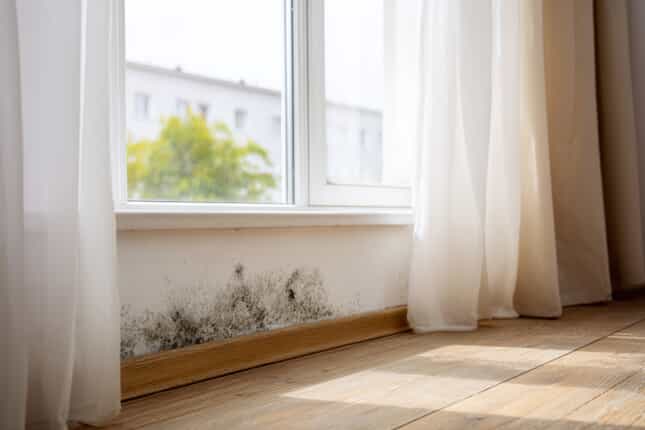
- Slight discoloration on walls or ceilings
- Dust buildup that returns quickly after cleaning
- Warped baseboards or trim
- Allergy-like irritation indoors that improves outside
- Dark or speckled spots around vents or window frames
- Paint bubbling or peeling in localized areas
These signs don’t always mean severe contamination, but they do suggest that moisture levels should be checked.
Hidden or Overlooked Sources
Older homes often have concealed areas where moisture can remain undetected. Some of the most common hidden sources include:
Wall cavities
Minor roof or window leaks may dampen insulation without immediately staining drywall.
Attic insulation
Humidity rising into the attic can settle into older insulation, particularly where ventilation is limited.
Air ducts and return chases
Older duct systems sometimes have small leaks that pull humid attic air into the HVAC system.
Behind cabinets or appliances
Areas with limited airflow, such as behind refrigerators or inside bathroom vanities, can trap moisture.
Subflooring and crawl spaces
Even slab homes can experience moisture migration beneath flooring materials, especially near exterior walls.
Professional testing often reveals issues in these hidden locations before visible damage becomes severe.
Why DIY Mold Removal Usually Fails
Many homeowners try to clean visible mold using household products. While this can remove surface staining, it rarely addresses the root cause.
DIY cleanup often fails because:
- Moisture sources remain unidentified
- Mold inside walls or ducts is not visible
- Household cleaners do not penetrate porous materials
- Airborne spores can spread to new areas during cleaning
Without identifying and correcting the moisture source, mold frequently returns.
Professional Mold Inspection & Testing Explained
Mold testing is most useful when performed as part of a structured inspection. In older Cocoa Beach homes, this typically includes:
- Moisture readings in walls, ceilings, and flooring
- Inspection of attic spaces and insulation
- Checking HVAC systems and ductwork
- Evaluating indoor humidity levels
- Air or surface sampling when conditions justify it
Testing provides a clearer picture of indoor conditions and helps determine whether remediation is necessary or whether drying and ventilation improvements will resolve the issue.
Proper Mold Removal & Remediation Process
If testing confirms significant mold growth, remediation focuses on safely removing contamination and preventing recurrence.
The process generally includes:
Containment
Affected areas are isolated to prevent spores from spreading.
Air filtration
Air filtration equipment helps capture airborne particles during cleaning.
Removal of damaged materials
In some cases, drywall, insulation, or carpeting that cannot be cleaned must be removed.
Cleaning and treatment
Structural surfaces are cleaned using methods appropriate for the material type.
Drying and moisture correction
Dehumidification and ventilation adjustments help stabilize moisture levels.
Final verification
Moisture readings confirm that conditions are safe and stable.
Flood Restoration & Water Damage Repair
In coastal areas, mold problems often follow minor flooding or plumbing leaks rather than major disasters. Even small amounts of water can soak into flooring, drywall, and insulation.
Water removal, drying, and water damage repair are often completed before remediation begins. Addressing the moisture source first prevents mold from returning.
Air Ducts, AC Systems & Mold
HVAC systems play a significant role in indoor moisture control. In older homes, duct insulation may be worn, and return ducts may draw humid air from attics or wall cavities.
Air duct cleaning and inspection can help:
- Remove debris that traps moisture
- Improve airflow and humidity control
- Reduce musty odors
- Prevent contaminants from circulating through the home
These steps often complement mold remediation and help maintain long-term indoor air quality.
How to Prevent Mold in Older Cocoa Beach Homes
Preventive steps can significantly reduce mold risk:
- Inspect roofs and flashing annually
- Maintain AC systems and drain lines
- Replace worn weather stripping and window seals
- Use exhaust fans in kitchens and bathrooms
- Monitor attic ventilation and insulation
- Address leaks promptly, even small ones
- Use dehumidifiers during extremely humid periods
Consistent maintenance is especially important in older homes, where small issues can progress faster than expected.
Why Local Experience Matters
Homes in Cocoa Beach, Palm Bay, Melbourne, and Rockledge share similar coastal conditions, but older homes require a particularly careful approach. Understanding local building materials, attic layouts, and common moisture entry points helps professionals identify problems quickly and accurately.
Palm Bay Mold Removal works with homeowners throughout Brevard County to identify early warning signs, perform mold testing when appropriate, and recommend practical steps that protect both the structure and indoor air quality.
Calm, Trust-Based Next Step
If you notice musty odors, small stains, or unexplained humidity in an older Cocoa Beach home, scheduling a professional inspection and mold test can provide clarity. Early testing often prevents larger repairs and helps ensure the home remains comfortable, dry, and structurally sound for years to come.