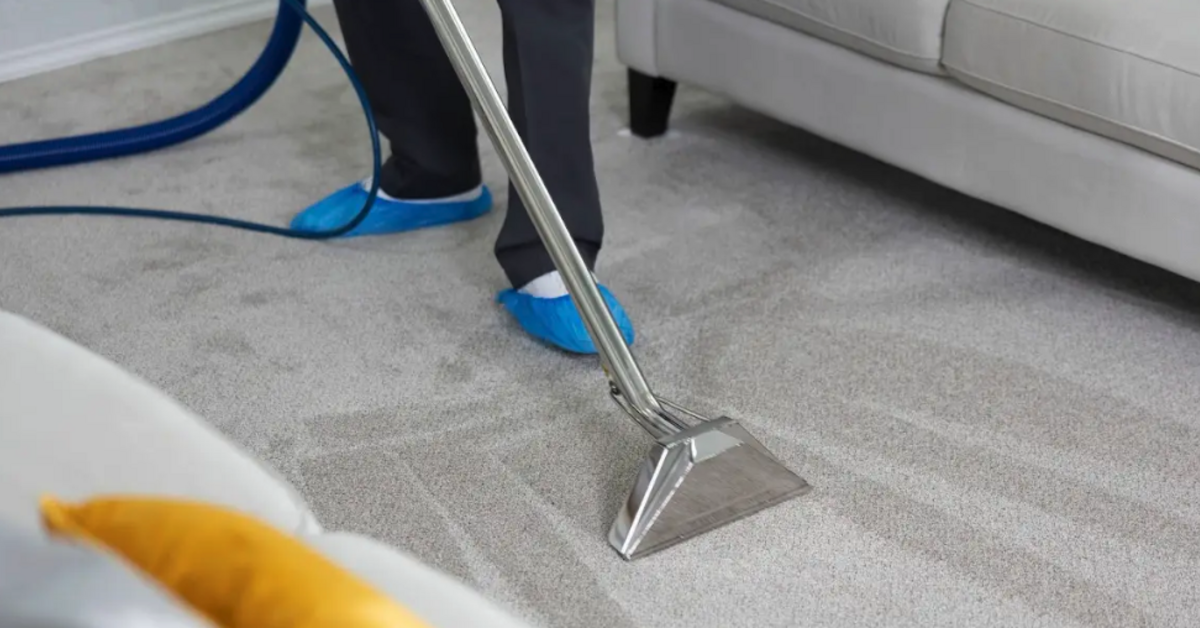
How Carpet Cleaning After Flooding Helps Homes in Palm Bay in Commercial Buildings
Flooding in Palm Bay can have devastating effects on commercial buildings, particularly during Florida’s rainy season and hurricane events. Carpets in offices, retail spaces, or multi-use commercial properties often absorb large amounts of water, which can lead to structural damage, microbial growth, and lingering odors if not addressed promptly. Proper carpet cleaning after flooding is not just about aesthetics—it is a critical step in restoring property, protecting indoor air quality, and preventing long-term damage.
Building on insights from Merritt Island mold inspections from AC condensation, this guide provides a detailed overview of why carpet cleaning is essential in flooded commercial buildings, the step-by-step process used by professionals, and preventive measures that Palm Bay property owners should consider.
Why Carpets Are Vulnerable in Commercial Buildings
Commercial carpets are highly susceptible to water damage for several reasons:
- Porous nature: Carpets and their padding readily absorb water, making them a prime breeding ground for mold and bacteria.
- High foot traffic: Offices, retail stores, and other commercial spaces often have constant foot traffic, which pushes water deeper into the fibers and padding.
- Hidden water retention: Water can seep into subfloors, creating hidden moisture pockets that accelerate mold growth and structural deterioration.
- Extended exposure: Floodwater, whether from storms, plumbing leaks, or HVAC failures, may remain in carpets longer than in residential settings, increasing contamination risks.
These vulnerabilities make professional intervention essential to ensure carpets are cleaned, sanitized, and restored safely.
Common Signs of Carpet Water Damage
Property managers and business owners should watch for the following indicators:
- Visible water stains or discoloration
- Lingering damp or musty odors
- Mold or mildew growth on carpet fibers or padding
- Warping or buckling of flooring underneath carpets
- Increased allergy or respiratory complaints from building occupants
- Sticky residue or dirt accumulation after flooding
Recognizing these signs early allows for prompt action, preventing damage from escalating.
Step 1: Professional Inspection and Assessment
Before cleaning begins, a thorough assessment is necessary:
Water Source Identification
Technicians determine whether flooding came from clean water (rain or supply line) or contaminated water (sewage or storm runoff), as this affects the cleaning and sanitization process.
Moisture Detection
Pinless moisture meters and thermal imaging are used to detect hidden water in carpet padding, subfloors, and adjacent walls.
Safety Evaluation
Flooded commercial spaces may present electrical hazards or structural instability. Professionals ensure all areas are safe before remediation begins.
Documentation
Assessment reports help property managers understand the extent of damage and guide restoration planning.
Step 2: Water Extraction
Effective carpet cleaning starts with removing as much water as possible:
- Industrial wet vacuums: Powerful extraction machines remove standing water from carpets and padding.
- Subfloor drying: Moisture meters guide technicians to areas requiring additional drying underneath carpets.
- Multiple passes: In high-traffic or heavily saturated areas, repeated extraction ensures thorough water removal.
Early and complete water extraction reduces the risk of mold, mildew, and structural damage.
Step 3: Cleaning and Sanitization
Floodwater often carries contaminants, making professional cleaning essential:
- Agitation: Carpet fibers are brushed or scrubbed to dislodge dirt, sediment, and microbial buildup.
- Hot water extraction: Steam cleaning removes deep-seated debris and bacteria.
- Sanitization: Antimicrobial solutions are applied to kill mold, bacteria, and other pathogens.
- Odor control: Specialized treatments neutralize musty odors caused by water and microbial activity.
This comprehensive cleaning ensures carpets are not only visually restored but also safe for occupants.
Step 4: Drying and Dehumidification
Proper drying is critical to prevent mold regrowth:
- Industrial air movers and fans: Accelerate drying of carpet fibers and padding.
- Dehumidifiers: Reduce ambient humidity in the building, protecting walls, floors, and furniture.
- Moisture monitoring: Technicians use moisture meters to confirm carpets and subfloors are completely dry.
Thorough drying prevents hidden mold growth, protecting indoor air quality and structural materials.
Step 5: Repairs and Replacement
In some cases, professional assessment may indicate partial or full carpet replacement:
- Severely damaged padding: Must be removed and replaced if saturated for prolonged periods.
- Carpet tiles: Individual tiles may be replaced to save costs while maintaining aesthetics.
- Subfloor repairs: Any water-damaged wood, laminate, or concrete is repaired to prevent long-term deterioration.
Proper repairs ensure that the flooring system is fully restored and safe for occupancy.
Hidden Areas of Concern in Commercial Buildings
Floodwater often penetrates spaces that are difficult to access:
- Beneath carpet edges and along walls
- Under cabinets, counters, or built-in furniture
- Around HVAC vents, plumbing fixtures, and electrical conduits
- In carpet seams or padding glued to subfloors
Professional equipment and expertise are required to detect and remediate hidden moisture effectively.
Health Implications of Water-Damaged Carpets
Neglecting carpet cleaning after flooding can impact health:
- Mold spores and bacteria can trigger allergies, asthma, or respiratory irritation
- Musty odors can reduce occupant comfort and indicate microbial growth
- Prolonged exposure may lead to chronic indoor air quality issues in commercial spaces
Professional cleaning and sanitization protect both employees and visitors from potential health risks.
Preventive Measures for Property Owners
Preventing future carpet damage involves proactive measures:
- Routine HVAC and drainage inspections: Ensure AC systems and plumbing prevent water accumulation.
- Prompt water cleanup: Address leaks or flooding immediately to minimize saturation.
- Use of moisture barriers: Install underlayments or sealants in flood-prone areas.
- Regular maintenance: Schedule professional carpet cleaning and inspection to detect early issues.
- Humidity monitoring: Use dehumidifiers and monitor indoor humidity to reduce microbial growth.
These steps minimize water-related risks and extend the life of commercial carpets.
Cost Considerations
Carpet cleaning and restoration after flooding depend on factors such as:
- Extent of water exposure
- Type of carpet and padding
- Level of contamination (clean water vs. contaminated floodwater)
- Accessibility and size of the commercial space
Professional restoration may range from $2 to $5 per square foot for cleaning and drying, while severe cases requiring replacement can cost $10–$20 per square foot or more. Investing in professional services early prevents higher long-term expenses.
Why Local Expertise Matters
Palm Bay’s climate, humidity, and construction styles create specific challenges for commercial buildings:
- High rainfall and hurricane-related flooding
- Common HVAC and flooring systems prone to water retention
- Local knowledge of building codes, water mitigation strategies, and preventive solutions
Companies like Palm Bay Mold Removal offer tailored carpet cleaning and water damage restoration services, combining local expertise with advanced professional equipment to protect commercial properties.
Practical Steps for Property Managers
- Inspect carpets and subfloors immediately after flooding.
- Schedule professional water extraction and carpet cleaning.
- Use antimicrobial treatments to eliminate mold and bacteria.
- Dry carpets and subfloors thoroughly with industrial air movers and dehumidifiers.
- Repair or replace damaged carpet tiles, padding, or subfloors.
- Maintain HVAC systems and monitor indoor humidity to prevent recurrence.
- Implement preventive measures, including routine inspections, moisture monitoring, and seasonal maintenance.
Following these steps ensures commercial properties remain safe, functional, and presentable after flooding events.
Final Thoughts
Carpet cleaning after flooding in Palm Bay commercial buildings is critical for restoring indoor air quality, preventing mold growth, and protecting structural materials. Early intervention, professional cleaning, and preventive maintenance reduce long-term damage and safeguard both occupants and property value.
Building on lessons from Merritt Island AC condensation mold inspections, property managers can appreciate the importance of proactive maintenance and local expertise. By investing in professional carpet restoration and water mitigation, Palm Bay commercial buildings remain safe, clean, and operational even after severe flooding.