
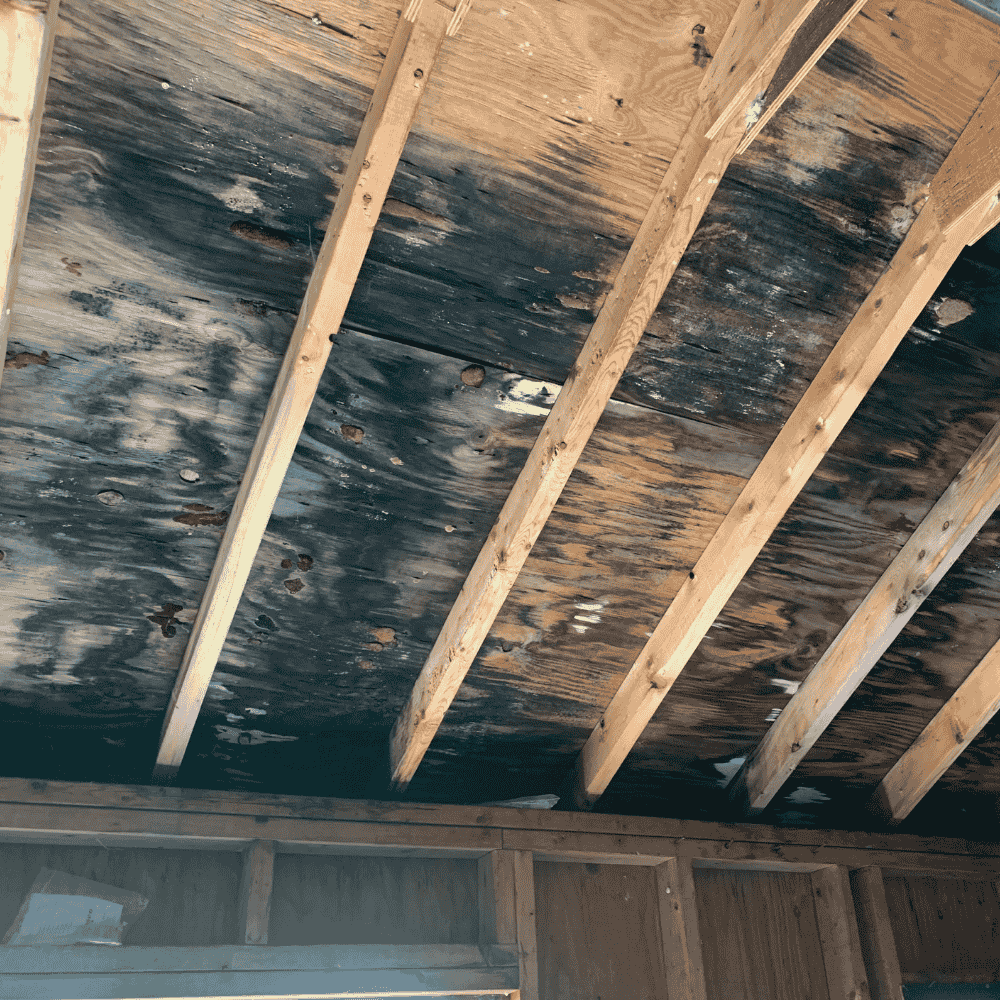
How Mold Remediation Helps Homes in Viera after Roof Leaks
Roof leaks are one of the most common ways moisture enters homes in Viera, especially after heavy rains or seasonal storms move through Brevard County. Many homeowners first notice a ceiling stain or dripping water, but what happens behind walls and above ceilings is often a much bigger issue.
When moisture from a roof leak lingers, mold growth can begin quickly, often within just a couple of days. Mold remediation then becomes essential to protect the structure of the home and restore healthy indoor conditions.
Understanding how mold remediation works—and why it matters so much in Viera—helps homeowners respond faster and avoid long-term damage.
What Happens After a Roof Leak
When a roof leaks, water rarely stays in one place. It can travel through insulation, attic framing, wall cavities, and ceiling materials before becoming visible.
Water often soaks:
- Attic insulation
- Roof decking
- Wooden trusses
- Ceiling drywall
- Interior wall spaces
- HVAC ducts running through the attic
Even after the visible leak is repaired, trapped moisture can remain hidden. Mold only needs moisture, organic material, and time to grow. Wood, drywall, and insulation provide perfect conditions.
Without proper drying and remediation, mold can spread quietly behind surfaces for weeks or months.
Why Roof Leak Mold Problems Are Common in Viera
Homes in Viera experience environmental conditions that make moisture issues more frequent.
Heavy summer rainstorms, tropical systems, and occasional hurricanes all stress roofing systems. Even minor roof damage can allow water to enter.
Other local factors include:
- High year-round humidity
- Sudden intense rainfall
- Aging roofs on older homes
- Storm debris impact
- Poor attic ventilation
- AC condensation buildup in attics
Because many homes in Viera, Melbourne, Rockledge, and surrounding communities have attic HVAC equipment and duct systems, moisture problems above ceilings can spread faster than expected.
Signs Homeowners Often Notice
Roof leak mold problems don’t always appear immediately. Some warning signs develop slowly.
Common signs include:
- Ceiling discoloration or stains
- Musty odors indoors
- Peeling paint or bubbling drywall
- Warped ceiling areas
- Increased allergy-like symptoms
- Dark spotting in attic spaces
- Damp insulation or wood
Sometimes homeowners only discover the issue during routine maintenance or while inspecting after storms.
Hidden Areas Mold Often Develops
Many mold problems remain hidden because they develop in areas rarely seen.
Common hidden growth areas include:
- Attic insulation layers
- Inside ceiling cavities
- Behind walls
- Around roof penetrations
- Near attic AC systems
- Around skylights and vents
- Under soaked insulation
Even a small roof leak can spread moisture across large sections of attic framing before signs appear below.
This is why professional inspection becomes critical.
Why DIY Mold Removal Usually Fails
Homeowners sometimes attempt to clean visible mold with bleach or household cleaners. Unfortunately, this rarely fixes the real problem.
DIY cleaning often fails because:
- Mold roots remain in porous materials
- Moisture sources are not fully addressed
- Contaminated materials remain hidden
- Mold spores spread during cleaning
- Insulation remains wet
Surface cleaning might temporarily improve appearance, but mold commonly returns.
Proper remediation focuses on moisture removal, containment, and safe material handling.
Professional Mold Inspection and Testing
Professional inspections help determine how far mold has spread after a roof leak.
Technicians typically examine:
- Attic conditions
- Insulation moisture levels
- Roof decking damage
- Ceiling cavities
- Air quality indicators
- Hidden moisture pockets
Moisture detection equipment identifies damp areas that cannot be seen with the naked eye.
Air and surface sampling may also be performed when necessary to understand contamination levels.
Experienced local companies, including Palm Bay Mold Removal, often find that mold has spread farther than homeowners initially expect.
How Mold Remediation Works
Mold remediation involves more than cleaning. It is a structured process designed to remove contamination and prevent regrowth.
Typical steps include:
- Containing affected areas to prevent spore spread.
- Removing contaminated materials such as soaked insulation or drywall.
- Cleaning structural surfaces with professional methods.
- Drying all moisture-affected areas thoroughly.
- Applying preventative treatments where appropriate.
- Repairing or replacing damaged materials.
Each step focuses on eliminating moisture and safely restoring the affected areas.
The goal is not just mold removal but preventing future growth.
Roof Leak Damage Often Requires Water Restoration
Roof leaks frequently cause broader water damage beyond mold.
Professional restoration teams often address:
- Wet ceiling materials
- Soaked insulation
- Damaged drywall
- Warped flooring
- Structural wood moisture
Flood restoration and water damage repair processes ensure the home is fully dried before rebuilding begins.
Without full drying, mold problems often return.
AC Systems and Air Ducts Can Spread Mold
In many Viera homes, air ducts run through attic spaces where roof leaks occur.
If ducts become wet or mold develops nearby, spores can spread through the HVAC system.
This can lead to:
- Musty smells when AC runs
- Reduced indoor air quality
- Mold growth inside ducts
- Repeated contamination indoors
Professional remediation sometimes includes air duct cleaning and inspection to ensure mold does not spread through ventilation systems.
Preventing Mold After a Roof Leak
Preventing future mold problems starts with moisture control.
Homeowners can reduce risk by:
- Inspecting roofs after storms
- Repairing roof damage quickly
- Improving attic ventilation
- Checking insulation after leaks
- Keeping gutters clear
- Monitoring attic humidity
- Servicing AC systems regularly
Regular home maintenance helps catch problems before mold develops.
Why Local Experience Matters
Homes in Viera and surrounding Brevard County communities experience unique environmental challenges.
Local professionals understand:
- Common roof failure points
- Regional storm patterns
- Moisture behavior in Florida homes
- AC condensation problems
- Coastal humidity effects
Companies like Palm Bay Mold Removal bring experience working in Viera, Merritt Island, Cocoa Beach, Melbourne, Satellite Beach, Titusville, and nearby areas where moisture problems follow predictable patterns.
Local knowledge often allows faster diagnosis and better long-term solutions.
Taking Action Before Damage Grows
A roof leak may seem minor at first, but mold growth and structural damage can develop quickly if moisture remains hidden.
Homeowners who notice water stains, musty odors, or suspect attic leaks benefit from having inspections performed early. Addressing problems promptly usually means smaller repairs, lower costs, and healthier living spaces.
If a home in Viera has experienced a roof leak, scheduling an inspection and considering proper mold remediation can help restore the home and prevent future issues from spreading further.