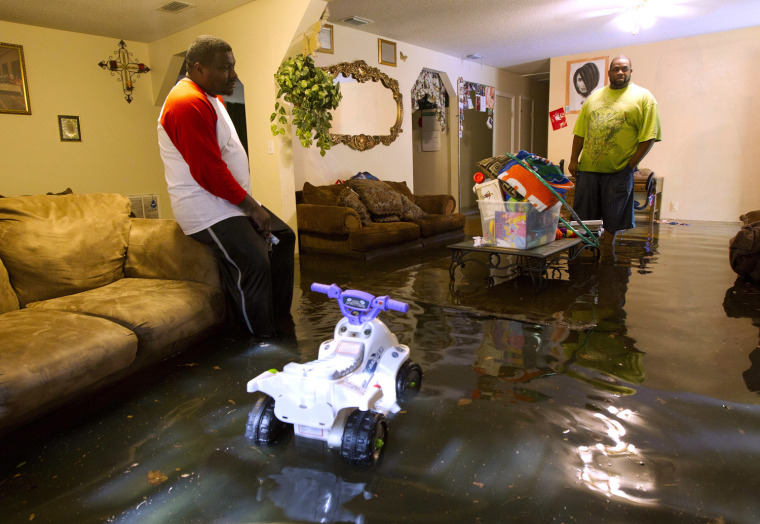
How Water Damage Restoration Helps Homes in Cocoa Beach After Hurricanes
Hurricane season in Cocoa Beach presents significant challenges for homeowners. High winds, torrential rain, and coastal flooding often result in water intrusion, damaging flooring, walls, HVAC systems, and personal belongings. For property owners, understanding the water damage restoration process is crucial to protecting both the home’s structural integrity and indoor air quality.
This guide builds on insights from the previous West Melbourne moisture detection article, emphasizing the importance of early intervention, professional restoration, and preventive measures in hurricane-prone areas. By understanding the causes, restoration steps, and long-term prevention strategies, Cocoa Beach homeowners can safeguard their property and minimize post-storm losses.
How Hurricanes Cause Water Damage in Homes
Hurricanes impact homes in multiple ways, leading to immediate and hidden water damage:
- Flooding from storm surge or heavy rain: Coastal homes are particularly vulnerable to storm surge that enters basements, ground floors, and crawl spaces.
- Roof and window leaks: High winds can damage shingles, flashing, or seals around windows, allowing water to seep into attics and walls.
- HVAC and plumbing failures: Condensation or pipe leaks triggered by storm damage can exacerbate water intrusion.
- Exterior drainage issues: Clogged gutters or inadequate grading can direct rainwater toward the home’s foundation.
Even minor leaks left untreated after a hurricane can result in extensive mold growth, structural weakening, and compromised indoor air quality.
Common Signs of Water Damage After Hurricanes
Early detection is critical to minimize damage. Homeowners should watch for:
- Warping, buckling, or soft flooring
- Stains or discoloration on ceilings and walls
- Musty or damp odors indicating mold growth
- Condensation or standing water in attics, crawl spaces, or basements
- Peeling paint or bubbling wallpaper
- Corrosion or rust on metal fixtures
Recognizing these warning signs prompts timely professional restoration, preventing long-term issues and higher repair costs.
Why Professional Water Damage Restoration Matters
Many homeowners attempt DIY cleanup after hurricanes, but professional restoration provides several advantages:
- Comprehensive assessment: Identifies visible and hidden water damage using moisture meters, infrared imaging, and thermal cameras.
- Proper drying techniques: Industrial air movers, dehumidifiers, and drying mats ensure that floors, walls, and subfloors are completely dry.
- Mold prevention: Professionals apply antimicrobial treatments to prevent mold growth in damp areas.
- Safe handling of contaminated water: Floodwater can carry debris, bacteria, and chemicals that require specialized cleanup.
- Efficient restoration: Timely, expert intervention reduces repair time and long-term structural damage.
Professional restoration ensures both safety and property preservation after hurricanes.
Water Damage Restoration Process
The water damage restoration process involves several systematic steps:
1. Inspection and Assessment
Technicians evaluate the extent of water intrusion, identify affected areas, and determine the moisture content in materials. This includes attics, crawl spaces, flooring, and HVAC systems.
2. Water Extraction
High-capacity pumps and vacuums remove standing water from carpets, floors, and subfloor areas. Immediate extraction prevents further saturation and minimizes mold risk.
3. Drying and Dehumidification
Industrial-grade air movers and dehumidifiers are used to remove moisture from walls, flooring, and structural materials. Moisture meters ensure complete drying.
4. Cleaning and Disinfection
Carpets, floors, and surfaces affected by contaminated water are cleaned and disinfected. Antimicrobial treatments are applied to prevent microbial growth.
5. Repair and Restoration
Damaged drywall, insulation, flooring, and structural components are repaired or replaced. The goal is to restore the home to pre-storm condition safely and efficiently.
Hidden Areas Prone to Water Damage
Even when visible water is removed, moisture can linger in hidden locations:
- Behind walls and baseboards
- Beneath flooring and under carpet padding
- Inside attics and crawl spaces
- Around HVAC ducts or air handlers
Professional restoration teams use specialized tools to detect and treat these hidden areas, reducing the likelihood of mold and structural issues.
Preventive Measures for Hurricane Season
While hurricanes are unpredictable, homeowners can take proactive steps to minimize water damage:
- Roof and window maintenance: Inspect and repair shingles, flashing, and window seals before hurricane season.
- Gutter and drainage management: Ensure gutters and downspouts are clear to direct water away from the home.
- Proper grading around the foundation: Prevent stormwater from pooling near the home’s base.
- Install sump pumps or flood barriers: Reduce the impact of minor flooding.
- HVAC and plumbing inspections: Maintain systems to prevent leaks during heavy rain.
- Tenant or family preparedness: Identify vulnerable areas in rental properties or family homes and address potential weak points.
Taking these preventive steps reduces the need for extensive restoration after a storm.
Health Considerations After Water Damage
Homes affected by hurricane-related water intrusion can pose health risks if not addressed:
- Mold and mildew can release spores, affecting indoor air quality
- Bacteria and contaminants in floodwater can cause illness
- Persistent dampness may trigger respiratory issues, allergies, or asthma
Professional restoration ensures safe cleanup and treatment, reducing these health hazards for residents.
Cost Considerations
The cost of water damage restoration varies based on:
- Extent of water intrusion: Larger areas or deeper flooding increase costs.
- Type of water: Clean water is less costly to remediate than gray or black water from floodwaters.
- Materials affected: Carpets, drywall, insulation, and structural wood all affect restoration expenses.
- Mold presence: Mold remediation adds additional labor and material costs.
On average, restoration can range from $2–$7 per square foot for minor water damage, while severe hurricane-related flooding may exceed $10 per square foot, especially when mold and structural repairs are needed.
Why Local Expertise Matters
Cocoa Beach shares environmental challenges with neighboring areas such as Satellite Beach, Melbourne, and West Melbourne. Local professionals understand:
- Coastal hurricane risks and high-humidity climate
- Construction techniques used in Florida homes
- Effective water extraction, drying, and mold prevention strategies
- How to prioritize restoration tasks after storm events
Experienced providers like Palm Bay Mold Removal deliver comprehensive water damage restoration services tailored to Cocoa Beach homes.
Practical Steps for Homeowners
- Conduct a preliminary inspection after a hurricane for visible water damage.
- Schedule professional water damage restoration immediately for affected areas.
- Remove or protect furniture and personal belongings from standing water.
- Dry floors, walls, and structural components thoroughly using industrial equipment.
- Apply antimicrobial treatments to prevent mold and microbial growth.
- Repair or replace damaged materials, including drywall, insulation, and flooring.
- Implement preventive measures for future storms, such as roof maintenance, gutter cleaning, and sump pump installation.
Final Thoughts
Hurricane-related water damage in Cocoa Beach homes is a serious concern that can impact property value, structural integrity, and indoor air quality. Early detection, professional water extraction, and comprehensive restoration prevent long-term problems, including mold growth and health hazards.
Building on the previous West Melbourne moisture detection guide, homeowners can see the importance of timely intervention and preventive strategies. By combining professional restoration with ongoing maintenance and hurricane preparedness, Cocoa Beach residents can protect their homes and ensure safe, healthy living conditions year-round.