Water Leak Detection in Melbourne from Poor Ventilation: Professional Tips for Property Owners
Homes in Melbourne face a unique set of challenges during Florida’s humid climate, particularly when it comes to moisture accumulation and hidden water leaks. Poor ventilation in residential properties can exacerbate these problems, allowing water to accumulate behind walls, under floors, and in attics, ultimately leading to structural damage, mold growth, and reduced indoor air quality. For homeowners, understanding how to detect water leaks and address ventilation issues is essential for protecting both property value and occupant health.
This article provides professional insights on water leak detection, explains why poor ventilation contributes to hidden damage, and offers practical tips for Melbourne property owners. Additionally, this guide builds on lessons from the previous article on Merritt Island water damage restoration, emphasizing the importance of early detection and preventive maintenance across Brevard County homes.
How Poor Ventilation Leads to Water Problems
Proper ventilation ensures that moisture generated inside a home—through cooking, showering, and air conditioning—is efficiently removed. When ventilation is inadequate:
- Humidity levels rise indoors, particularly in attics and crawl spaces
- Condensation forms on windows, walls, and ductwork
- Water vapor infiltrates insulation and structural materials
- Hidden leaks worsen because damp areas remain unnoticed
In Florida, with its frequent rainfall and high summer humidity, these effects are amplified. Homeowners who overlook ventilation issues may unknowingly create conditions that contribute to water damage, similar to the flooding problems addressed in the Merritt Island restoration guide.
Common Sources of Water Leaks
Water leaks in poorly ventilated homes can originate from multiple sources:
1. Roof and Attic Leaks
Moisture can accumulate under shingles, around flashing, or in roof valleys, often unnoticed until attic insulation becomes damp or mold appears.
2. Plumbing Failures
Slow leaks in supply lines, under sinks, or around water heaters can go undetected, particularly if airflow is limited and the surrounding materials remain moist.
3. AC Condensation Issues
Air conditioning units remove moisture from the air, but clogged condensate lines or poorly insulated ducts can cause water to accumulate in hidden areas.
4. Wall and Ceiling Penetration
Water from external sources—rain intrusion, leaks around windows, or pressure-driven water seepage—can infiltrate walls and ceilings where ventilation is poor.
5. Crawl Space and Foundation Moisture
Homes with limited airflow beneath the floorboards or in crawl spaces often experience standing water or trapped humidity, leading to unseen damage.
Warning Signs of Hidden Water Leaks
Early detection of leaks is critical. Property owners should watch for these warning signs:
- Damp or discolored walls and ceilings
- Musty odors in closets, attics, or crawl spaces
- Warping or buckling flooring
- Condensation on windows or vents
- Mold growth along baseboards or ceiling lines
- Unexplained increases in water bills
Recognizing these indicators early allows for prompt professional intervention, preventing escalation similar to the scenarios described in Merritt Island water damage restoration.
Professional Water Leak Detection Techniques
Homeowners often cannot detect hidden leaks using visual inspection alone. Professionals rely on advanced tools and techniques:
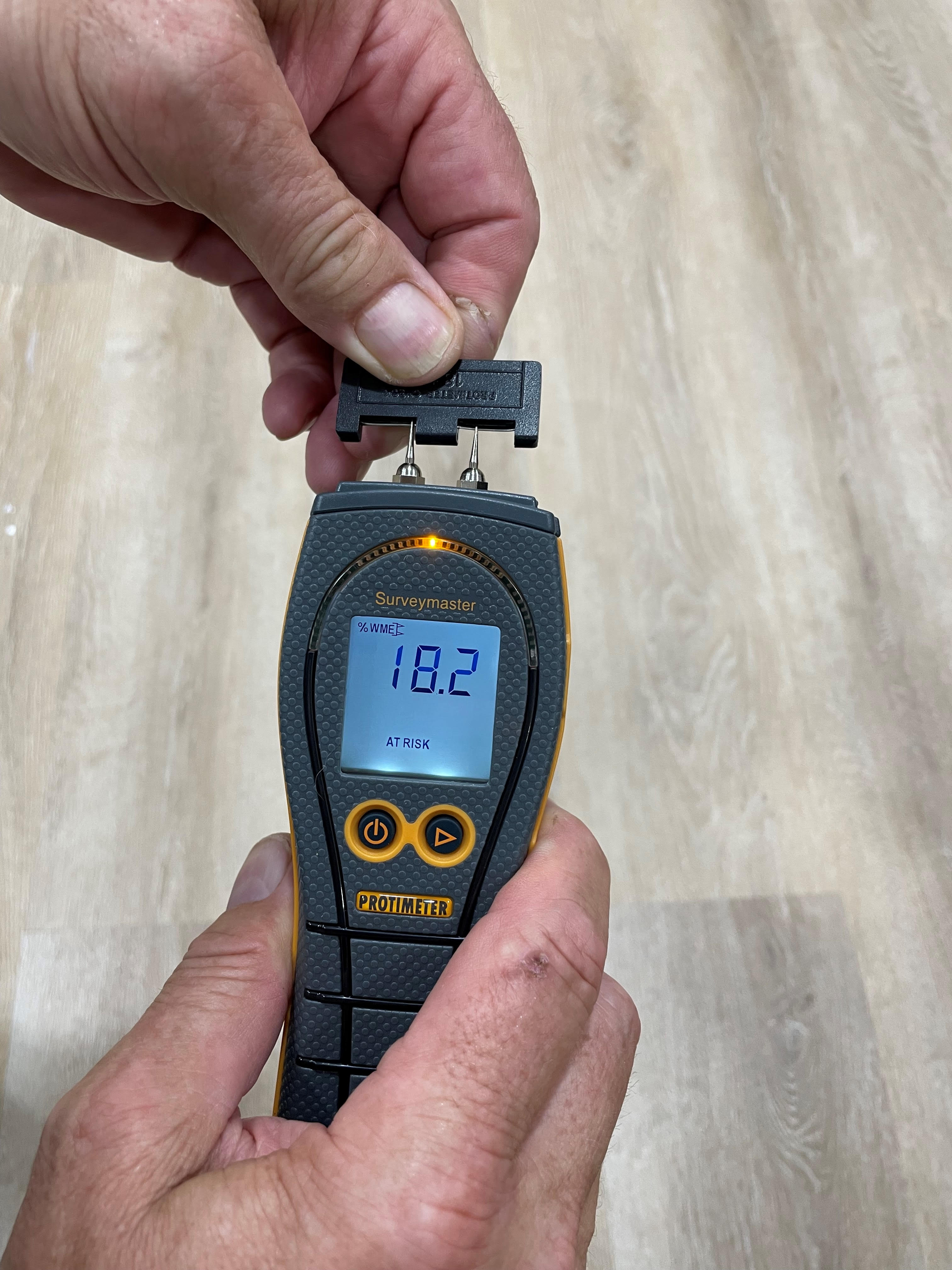
1. Moisture Meters
Measure water content in wood, drywall, and insulation to identify damp areas.
2. Thermal Imaging Cameras
Detect temperature variations that indicate moisture presence behind walls or ceilings.
3. Acoustic Leak Detection
Special microphones capture the sound of water moving through pipes.
4. Infrared Scanning
Reveals water accumulation and areas of heat loss associated with moisture problems.
5. Pressure Testing
Assesses the integrity of plumbing lines to locate leaks without destructive inspection.
These techniques provide a non-invasive, accurate way to locate hidden water damage, saving time and reducing repair costs.
The Relationship Between Poor Ventilation and Moisture Retention
Ventilation and water damage are directly linked. Without sufficient airflow:
- Moisture remains trapped in insulation, ductwork, and attic spaces
- Wood, drywall, and other porous materials retain water longer
- Mold and mildew grow faster
- Indoor air quality declines
Addressing ventilation deficiencies often accompanies water leak detection to prevent recurring issues.
Water Damage Remediation Steps
Once a leak is detected, a professional remediation process ensures long-term safety and durability. The process includes:
1. Inspection and Assessment
Determine affected areas, moisture levels, and potential mold growth.
2. Water Extraction
Remove standing water using high-capacity pumps and vacuums.
3. Drying and Dehumidification
Employ air movers, dehumidifiers, and HVAC system adjustments to thoroughly dry affected materials.
4. Mold Prevention and Cleaning
Apply antimicrobial treatments if needed and clean surfaces to remove contaminants.
5. Repairs and Restoration
Replace or repair drywall, flooring, insulation, or cabinetry damaged by water or mold.
These steps are similar to the processes highlighted in the Merritt Island water damage restoration article, emphasizing early intervention and comprehensive treatment.
Preventive Measures for Homeowners
Preventing leaks is easier than repairing water damage. Property owners can take several proactive steps:
- Regular Ventilation Checks: Ensure attics, crawl spaces, and HVAC systems have adequate airflow.
- Plumbing Maintenance: Inspect pipes and appliances regularly for signs of leaks.
- Roof and Gutter Inspection: Repair missing shingles and ensure gutters divert water away from the foundation.
- Condensation Control: Use dehumidifiers in high-humidity areas, particularly during summer months.
- Seasonal AC Maintenance: Clean filters, coils, and condensate lines to prevent moisture buildup.
Consistent preventive maintenance reduces the likelihood of hidden water leaks, mold, and structural damage.
How Poor Ventilation Impacts HVAC Systems
In homes with limited airflow:
- Ducts may accumulate moisture, leading to microbial growth
- HVAC systems work harder, increasing energy costs
- Reduced airflow affects temperature regulation and comfort
Professional duct cleaning, combined with leak detection, ensures both structural and air quality protection.
Health Risks from Undetected Water Leaks
Hidden moisture contributes to mold growth and poor indoor air quality, which can lead to:
- Respiratory irritation
- Allergic reactions
- Increased asthma triggers
- Musty odors impacting comfort
Timely water leak detection and remediation prevent these health risks and safeguard residents’ well-being.
Why Local Expertise Matters
Melbourne homes face challenges similar to nearby communities such as West Melbourne, Titusville, and Viera. Local professionals understand:
- Regional humidity and rainfall patterns
- Common construction methods and materials in Brevard County
- Effective ventilation improvements to prevent recurring leaks
- How to combine leak detection with air duct and moisture management
Experienced companies like Palm Bay Mold Removal provide comprehensive water leak detection and remediation tailored to Florida homes.
Calm, Practical Steps for Homeowners
- Inspect the home for early warning signs of water leaks.
- Schedule a professional leak detection if unexplained moisture is suspected.
- Address ventilation issues to prevent humidity buildup.
- Dry affected areas promptly to prevent mold growth.
- Repair plumbing, roofing, or HVAC issues contributing to leaks.
- Implement ongoing maintenance and seasonal inspections.
Following these steps ensures that Melbourne homeowners maintain safe, dry, and comfortable living environments, preventing damage similar to the scenarios addressed in Merritt Island water damage restoration.
Final Thoughts
Water leaks caused by poor ventilation are a common but often overlooked problem in Melbourne homes. Early detection, professional remediation, and preventive measures protect both property value and indoor air quality. By combining advanced leak detection techniques with ventilation improvements and maintenance, homeowners can prevent hidden water damage, mold growth, and costly repairs.
Understanding how moisture interacts with Florida’s humid climate empowers property owners to take action before minor issues become major problems. Acting promptly ensures a healthier, safer home for years to come.