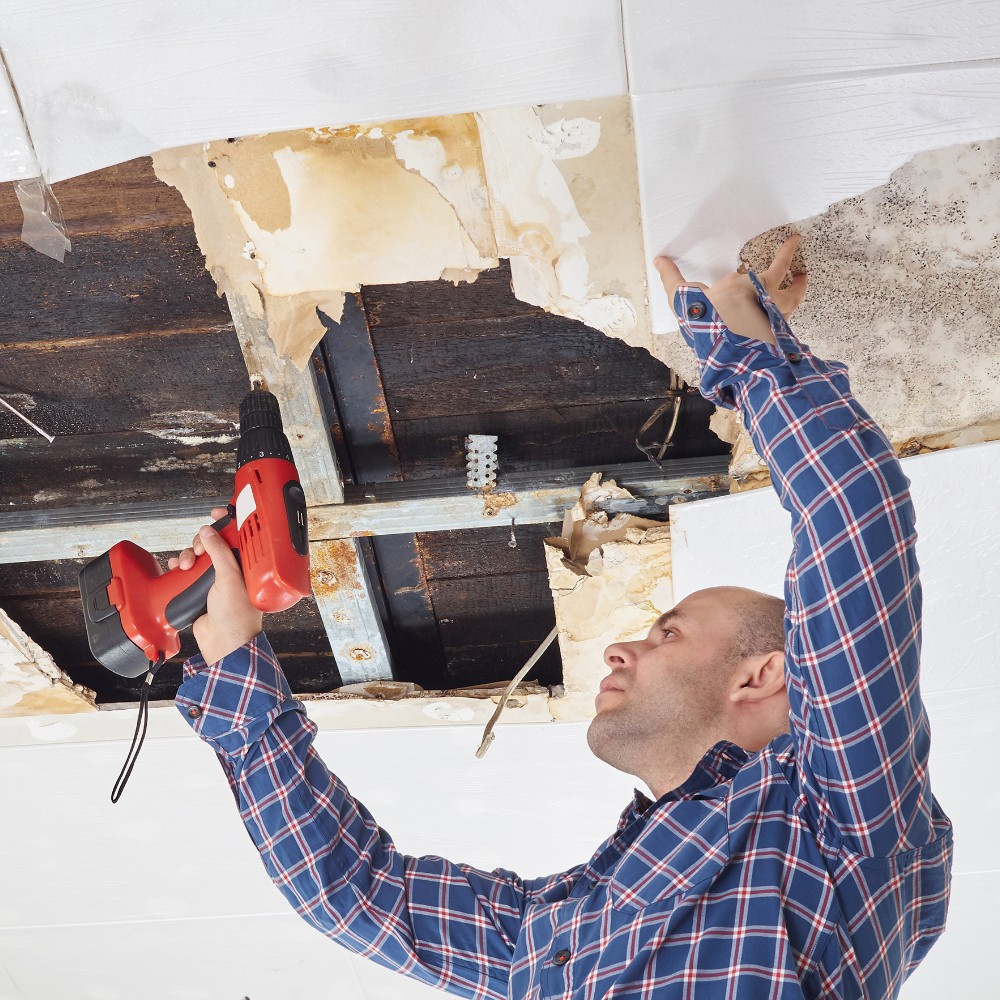
Merritt Island Water Damage Restoration After Water Damage: What Homeowners Should Know
Homes in Merritt Island are no strangers to heavy rain, tropical storms, and high humidity. Located along Florida’s east coast near the Indian River Lagoon, this coastal community faces frequent weather events that can lead to residential water damage. Whether caused by hurricanes, plumbing failures, roof leaks, or storm surge, water intrusion can quickly disrupt daily life and threaten the structural integrity of your home.
Understanding how professional water damage restoration works—and what steps homeowners should take immediately after water damage—can make the difference between a smooth recovery and long-term property issues. This complete guide explains the causes, risks, restoration process, and prevention strategies every Merritt Island homeowner should know.
Common Causes of Water Damage in Merritt Island Homes
Water damage can happen suddenly or develop gradually over time. In Merritt Island, the most common causes include:
1. Storm and Hurricane Damage
Florida’s storm season often brings torrential rainfall and high winds. Homes may suffer roof damage, broken windows, or compromised siding, allowing water to enter quickly.
2. Plumbing Failures
Burst pipes, leaking supply lines, overflowing toilets, and water heater malfunctions are frequent sources of interior water damage.
3. Appliance Leaks
Dishwashers, washing machines, and refrigerators with water lines can leak slowly and go unnoticed for days.
4. HVAC Drain Line Clogs
Air conditioning systems produce condensation. If the drain line becomes clogged, water can overflow and damage ceilings or walls.
5. Flooding from Nearby Waterways
Being near coastal waterways increases flood risks during severe weather events.
Each source requires a slightly different restoration approach, but all demand quick action.
Why Immediate Response Matters
Water spreads rapidly. Within minutes, it seeps into flooring, drywall, insulation, and furniture. Within hours, materials begin absorbing moisture deeply. After 24–48 hours, mold growth can begin under the right conditions.
Delaying restoration can result in:
- Warped hardwood floors
- Swollen cabinets and doors
- Compromised drywall
- Electrical hazards
- Mold contamination
- Structural weakening
Fast professional response limits damage and reduces overall repair costs.
The Three Categories of Water Damage
Restoration professionals classify water damage into categories based on contamination level:
Category 1 – Clean Water
Originates from broken pipes, sink overflows, or appliance leaks. While initially clean, it can degrade into contaminated water if left untreated.
Category 2 – Gray Water
Contains contaminants from dishwashers, washing machines, or minor sewage backups.
Category 3 – Black Water
Highly contaminated water from sewage backups, floodwaters, or storm surge. Requires specialized protective procedures and sanitation.
Understanding the category helps determine cleaning and safety protocols.
The Professional Water Damage Restoration Process
Restoration involves more than simply removing visible water. A systematic process ensures thorough recovery.
1. Emergency Assessment and Inspection
Technicians evaluate the affected areas using:
- Moisture meters
- Thermal imaging cameras
- Hygrometers
- Visual inspections
They determine the source of water, contamination level, and extent of structural impact.
2. Water Extraction
Industrial-grade pumps and vacuums remove standing water quickly. Fast extraction prevents further absorption into building materials.
In severe cases, submersible pumps may be required to handle large volumes of water.
3. Drying and Dehumidification
Even after visible water is removed, moisture remains trapped in:
- Walls
- Subflooring
- Insulation
- Cabinets
- Carpeting
High-powered air movers and commercial dehumidifiers are strategically placed to accelerate evaporation and reduce humidity.
This step often takes several days depending on damage severity.
4. Cleaning and Sanitizing
If water is contaminated, antimicrobial treatments are applied to eliminate bacteria and prevent mold growth. Surfaces are cleaned and deodorized to remove odors.
5. Structural Repairs and Restoration
Once drying is complete, damaged materials are repaired or replaced. This may include:
- Drywall removal and replacement
- Flooring repairs
- Cabinet restoration
- Painting
- Baseboard replacement
The goal is to restore the home to its pre-loss condition.
Hidden Areas Where Water Causes Damage
One of the biggest risks after water damage is hidden moisture. Water often migrates behind walls and beneath floors where it is not visible.
Common hidden damage areas include:
- Behind drywall
- Under laminate flooring
- Inside insulation
- Beneath cabinetry
- Inside attic spaces
Without professional moisture detection, these areas can remain damp and promote mold growth.
Mold Risks After Water Damage
Florida’s warm, humid climate accelerates mold growth. Once moisture is present, spores can begin colonizing surfaces quickly.
Signs of mold after water damage include:
- Musty odors
- Visible black, green, or white spots
- Increased allergy symptoms
- Peeling paint or bubbling drywall
If mold is suspected, remediation should be performed promptly to protect indoor air quality.
Companies like Palm Bay Mold Removal often assist homeowners throughout Brevard County with both water damage restoration and mold remediation services.
Insurance Considerations for Homeowners
Water damage claims depend on the cause of loss. Generally:
- Sudden plumbing failures are often covered.
- Gradual leaks due to neglect may not be covered.
- Flood damage typically requires separate flood insurance.
Homeowners should:
- Document all visible damage with photos.
- Notify their insurance provider immediately.
- Keep records of restoration services and expenses.
Understanding your policy before disaster strikes can reduce stress during recovery.
Special Considerations for Coastal Homes
Homes in Merritt Island share environmental challenges with nearby areas such as Cocoa, Rockledge, and Cape Canaveral.
Coastal properties may face:
- Saltwater corrosion
- Elevated humidity year-round
- Storm surge risks
- Foundation saturation
These factors make prompt drying and corrosion-resistant materials especially important during restoration.
How Long Does Restoration Take?
The timeline depends on damage severity:
- Minor water intrusion: 3–5 days drying + minor repairs
- Moderate damage: 1–2 weeks including structural repairs
- Severe flooding: Several weeks including reconstruction
Moisture readings determine when materials are fully dry—not just appearance.
Warning Signs That Professional Help Is Needed
Homeowners should contact professionals if they notice:
- Standing water lasting more than a few hours
- Sagging ceilings
- Electrical system exposure to water
- Warped flooring
- Persistent damp smell
- Visible mold growth
DIY cleanup may be insufficient for hidden moisture and structural risks.
Preventive Steps to Reduce Future Water Damage
While storms cannot be prevented, homeowners can reduce risk:
Inspect Roof Regularly
Replace damaged shingles and repair flashing.
Maintain Gutters and Downspouts
Ensure proper drainage away from the foundation.
Check Plumbing Connections
Inspect hoses and fittings for wear.
Install a Sump Pump (If Needed)
Helps manage excess groundwater during storms.
Monitor Indoor Humidity
Keep levels between 40%–50% to discourage mold growth.
Seal Windows and Doors
Prevent wind-driven rain from entering.
Preventive maintenance reduces vulnerability during heavy rain events.
Health and Safety After Water Damage
Water-damaged homes may contain:
- Electrical hazards
- Contaminated water exposure
- Mold spores
- Structural instability
Homeowners should avoid entering severely flooded areas until professionals assess safety.
If black water contamination is involved, protective equipment and specialized sanitation are necessary.
Emotional Impact and Recovery
Water damage is more than a structural issue—it disrupts daily routines and creates emotional stress. Quick restoration not only protects property value but also helps families return to normal life sooner.
Working with experienced restoration professionals ensures clear communication, detailed planning, and systematic recovery.
Final Thoughts
Water damage in Merritt Island homes can result from storms, plumbing failures, appliance leaks, or flooding. Because moisture spreads quickly and mold thrives in Florida’s climate, immediate action is essential.
Professional water damage restoration includes inspection, extraction, drying, sanitizing, and structural repair. Hidden moisture detection and thorough drying are key to preventing long-term problems.
By understanding the restoration process, recognizing early warning signs, and taking preventive steps, homeowners can protect both their investment and their family’s health. Living in a coastal community brings unique weather challenges—but with preparation and professional support, recovery can be efficient and effective.
If your home experiences water intrusion, acting quickly is the most important step toward a safe and complete restoration.