Satellite Beach Air Duct Cleaning During Rainy Season: Complete Guide for Homeowners
Homes in Satellite Beach enjoy beautiful coastal views and ocean breezes, but the rainy season brings unique challenges for homeowners. Heavy rainfall, elevated humidity, and frequent storms create the perfect environment for moisture buildup inside residential properties. One of the most overlooked areas affected by this seasonal humidity is the HVAC air duct system.
Air ducts are responsible for circulating cooled and conditioned air throughout your home. During the rainy season, however, excess moisture can enter ductwork through condensation, leaks, or high indoor humidity. When moisture combines with dust and debris inside ducts, it creates ideal conditions for mold growth, odors, and reduced air quality.
This complete guide explains how rainy season conditions impact duct systems, the warning signs homeowners should watch for, the professional cleaning process, and preventive measures to protect your home.
Why Rainy Season Creates Air Duct Problems
Florida’s rainy season typically brings prolonged humidity levels above 70%. Even with air conditioning running, moisture can accumulate in certain parts of the HVAC system.
Here’s how the rainy season affects air ducts:
1. Condensation Formation
When warm, humid air meets cool duct surfaces, condensation forms. Over time, this moisture can collect inside ducts and insulation.
2. Roof and Attic Leaks
Storm damage or small roof leaks can allow water into attic spaces where ductwork is often installed.
3. High Indoor Humidity
If humidity is not properly controlled, moisture remains suspended in the air and settles inside HVAC components.
4. Poor Ventilation
Blocked vents or dirty filters reduce airflow, increasing condensation buildup.
These conditions make duct systems vulnerable to contamination and microbial growth.
Early Warning Signs You Should Not Ignore
Many duct problems begin quietly. Homeowners should remain alert to these early signs during rainy months:
- Persistent musty or damp odors when AC is running
- Increased dust accumulation on furniture
- Visible mold around vents or registers
- Reduced airflow from certain rooms
- Higher energy bills without explanation
- Condensation forming on vents
- Allergy symptoms worsening indoors
Addressing these issues early prevents more serious contamination and costly repairs.
How Moisture Leads to Mold Growth in Ducts
Air ducts contain organic material such as dust, pollen, and insulation fibers. When moisture is present, mold spores can attach and multiply quickly.
In coastal areas like Satellite Beach, mold growth can begin within 24–48 hours if moisture remains trapped. Once mold develops inside ductwork, spores circulate throughout the home whenever the HVAC system operates.
This can lead to:
- Compromised indoor air quality
- Respiratory irritation
- Persistent odors
- Damage to duct insulation
- Increased HVAC strain
Proper cleaning and moisture control are essential to stop the cycle.
The Professional Air Duct Cleaning Process
Professional air duct cleaning during the rainy season follows a structured and thorough approach.
1. Inspection and Moisture Assessment
Technicians begin with a detailed inspection of the duct system, attic spaces, and HVAC components.
They may use:
- Moisture meters
- Infrared cameras
- Airflow testing tools
- Visual inspections of accessible duct areas
This step identifies moisture sources and contamination levels.
2. Containment and Preparation
To prevent debris from spreading during cleaning, technicians may:
- Seal vents and registers
- Use protective coverings
- Establish negative air pressure
- Set up HEPA air filtration systems
Containment ensures safe and controlled cleaning.
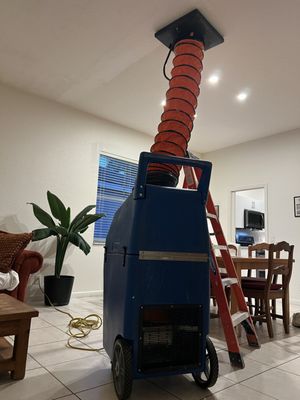
3. Debris Removal and Cleaning
Professional equipment removes dust, debris, and microbial buildup from ducts. This typically includes:
- HEPA vacuum systems
- Mechanical brushing tools
- Air whips or compressed air agitation
If mold is present, approved antimicrobial treatments may be applied to prevent regrowth.
4. HVAC Component Cleaning
Cleaning often extends beyond ducts to include:
- Coils
- Drip pans
- Air handlers
- Blower components
- Filters
Addressing the entire system improves overall efficiency and air quality.
5. Drying and Humidity Control
After cleaning, technicians ensure ducts are fully dry. Industrial air movers and dehumidifiers may be used if necessary.
This step is especially important during rainy season when humidity remains high.
The Importance of HVAC Maintenance During Rainy Months
Routine HVAC maintenance plays a key role in preventing duct contamination.
Homeowners should:
- Replace air filters every 1–3 months
- Check condensate drain lines for clogs
- Schedule professional inspections annually
- Monitor indoor humidity levels
- Keep attic spaces ventilated
These simple actions reduce moisture buildup inside ducts.
Hidden Areas Where Moisture Collects
Even when ducts appear clean externally, moisture may be present in hidden spaces such as:
- Inside duct insulation
- Beneath attic duct runs
- Around improperly sealed joints
- Inside crawl spaces
- Behind air handler units
Professional inspections help identify these concealed problem areas.
Preventive Strategies for Homeowners
Preventing duct contamination is more cost-effective than addressing mold problems later. Consider these proactive steps:
Control Indoor Humidity
Use dehumidifiers to maintain indoor humidity between 40%–50%.
Improve Attic Ventilation
Proper ventilation reduces condensation on duct surfaces.
Seal Duct Leaks
Leaky ducts allow humid attic air to enter the system.
Repair Roof Leaks Promptly
Storm-related leaks should be repaired immediately to protect ductwork.
Schedule Seasonal Inspections
Having ducts inspected before and after rainy season helps catch issues early.
Benefits of Professional Air Duct Cleaning
When performed properly, duct cleaning during rainy season provides multiple advantages:
- Improved indoor air quality
- Reduced allergy triggers
- Elimination of musty odors
- Better airflow and temperature consistency
- Lower energy consumption
- Extended HVAC system lifespan
For coastal homeowners, these benefits contribute to long-term comfort and property protection.
Why Local Experience Matters
Homes in Satellite Beach share environmental challenges with nearby communities such as Cocoa Beach, Melbourne, and Rockledge. Coastal humidity, seasonal storms, and salt air exposure affect HVAC systems differently than in inland areas.
Local professionals understand:
- Regional weather patterns
- Typical attic and duct configurations in Florida homes
- Moisture-related risks specific to coastal construction
- Effective drying and cleaning techniques for humid climates
Companies like Palm Bay Mold Removal provide duct inspection and cleaning services tailored to the needs of Brevard County homeowners.
When to Schedule Duct Cleaning
Homeowners should consider professional cleaning if:
- The home experienced roof leaks or flooding
- Musty odors persist during AC operation
- Mold is visible near vents
- Allergies worsen indoors
- It has been several years since the last cleaning
Scheduling service before peak rainy months can prevent problems before they begin.
A Practical Action Plan for Rainy Season
To protect your home during rainy months, follow this simple plan:
- Monitor humidity levels regularly.
- Inspect attic and duct areas after heavy storms.
- Replace filters frequently.
- Schedule professional duct inspection annually.
- Address leaks and condensation immediately.
- Invest in proper ventilation improvements if needed.
Proactive maintenance ensures your home remains comfortable and safe throughout the season.
Final Thoughts
The rainy season in Satellite Beach brings increased moisture that can quietly impact your HVAC system and indoor air quality. While duct contamination often develops gradually, the consequences—mold growth, odors, poor airflow, and increased energy costs—can escalate quickly if ignored.
Professional air duct cleaning combined with humidity control and routine maintenance offers a comprehensive solution. By recognizing early warning signs and taking preventive steps, homeowners can protect both their property and their family’s health.
Coastal living has many advantages, but managing humidity effectively is essential. With proper care, your air duct system can continue operating efficiently—even during Florida’s most humid months.