Titusville Carpet Cleaning After Flooding in Residential Homes: Warning Signs and Prevention
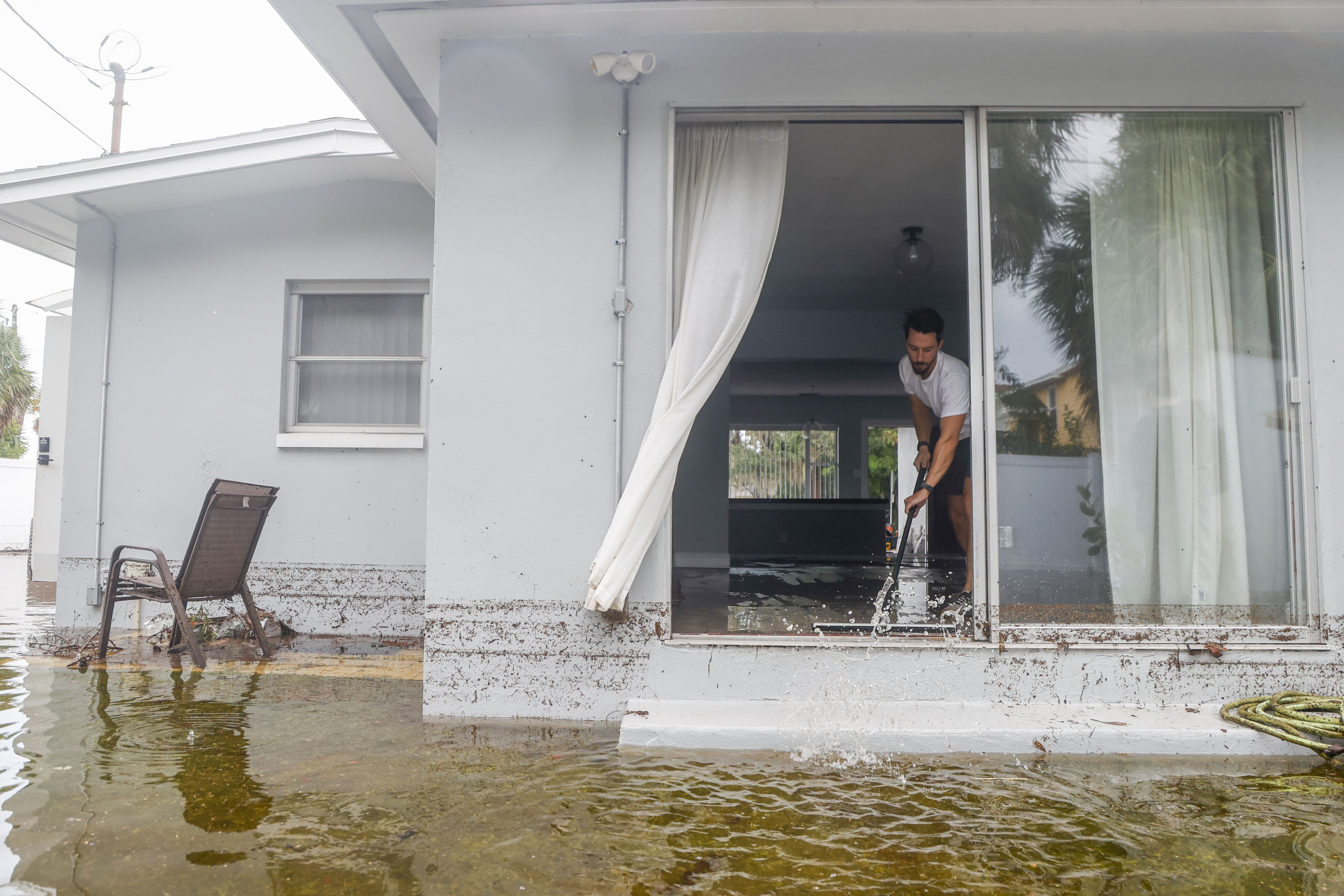
Flooding is one of the most disruptive events a homeowner can experience. In Titusville, heavy rains, tropical storms, plumbing failures, and storm surge can quickly leave carpets soaked and homes vulnerable to long-term damage. While many homeowners focus on drying visible water, carpets and the padding beneath them often hold moisture long after surfaces appear dry.
Carpet cleaning after flooding is not just about appearance—it is an essential step in protecting indoor air quality, preventing mold growth, and preserving the structure of a home. Understanding the warning signs and learning how to prevent future problems can help homeowners respond quickly and effectively after water damage.
What Happens to Carpets After Flooding
When floodwater enters a home, carpets act like sponges. They absorb water rapidly, and moisture becomes trapped in fibers, padding, and subflooring. Even small amounts of residual moisture can lead to:
- Mold and mildew growth
- Persistent odors
- Damage to flooring and structural materials
- Deterioration of carpet backing and adhesives
- Reduced indoor air quality
Floodwater may also contain contaminants, sediment, or bacteria, which can settle deep within the carpet fibers. Without professional cleaning and drying, these contaminants may continue to affect the home environment.
Why Flooding Issues Are Common in Titusville
Homes in Titusville and nearby communities such as Merritt Island, Viera, and Cocoa Beach experience conditions that make flooding and moisture problems more likely.
Several local factors contribute to carpet damage after flooding:
Heavy Seasonal Rains
Florida’s rainy season brings frequent storms that can overwhelm drainage systems and cause water to enter homes.
High Humidity Levels
Even after floodwater is removed, humidity slows drying and allows moisture to remain trapped in carpets.
Slab Foundations
Many homes in Brevard County are built on slab foundations, which can retain moisture and slow evaporation beneath flooring materials.
Storm and Hurricane Activity
Tropical storms and hurricanes often lead to roof leaks, water intrusion, or localized flooding that affects carpets and flooring.
Because of these conditions, quick drying and professional carpet cleaning are critical steps after flooding.
Warning Signs Carpets Need Professional Cleaning
Homeowners sometimes assume carpets are fine once standing water is removed, but hidden moisture can remain. Watch for these early warning signs:
Musty or Damp Odors
Persistent odors often indicate mold or bacteria developing within carpet fibers or padding.
Discoloration or Staining
Floodwater may leave behind visible stains or uneven coloring.
Carpet Feels Damp or Cool
Even slight dampness underfoot can mean moisture is trapped below the surface.
Warped or Buckled Flooring
Moisture can affect the subfloor beneath carpets, causing uneven surfaces.
Increased Allergy Symptoms
Dust, mold spores, and contaminants trapped in carpets can affect indoor air quality.
Recurring Mold Growth
Mold appearing along baseboards or carpet edges often indicates moisture beneath the flooring.
Recognizing these signs early allows homeowners to take action before damage spreads.
Hidden Moisture Sources Homeowners Often Miss
Flooding can introduce moisture into areas that are not immediately visible. Carpets may appear dry on the surface while padding and subfloors remain wet.
Common overlooked sources include:
- Carpet padding retaining water
- Moisture trapped beneath baseboards
- Damp concrete slabs
- Water migrating from adjacent rooms
- Humidity from poorly ventilated HVAC systems
Professional moisture detection tools are often necessary to locate these hidden pockets of water.
Why DIY Carpet Cleaning Often Falls Short
Many homeowners attempt to clean or dry carpets using household fans, portable cleaners, or standard shop vacuums. While these methods may remove some moisture, they rarely address deeper problems.
DIY cleaning often fails because:
- Household equipment cannot extract moisture from padding effectively
- Drying may be uneven, leaving hidden damp areas
- Mold spores may remain in fibers
- Contaminants are not fully removed
- Odors return as moisture resurfaces
Professional cleaning uses specialized extraction equipment, controlled drying techniques, and moisture monitoring to ensure carpets are truly dry.
Professional Inspection and Moisture Detection
After flooding, a professional inspection is the first step toward effective carpet restoration.
A thorough inspection typically includes:
- Measuring moisture levels in carpets and subfloors
- Checking padding and nearby walls
- Inspecting HVAC systems for humidity issues
- Identifying areas at risk for mold growth
Infrared cameras and moisture meters help locate damp areas that are not visible. This ensures that cleaning and drying efforts target all affected materials.
Carpet Cleaning and Restoration Process
Professional carpet cleaning after flooding follows a structured process designed to restore cleanliness and prevent mold growth.
1. Water Extraction
High-capacity extraction equipment removes as much water as possible from carpets and padding.
2. Removal of Contaminated Materials
In some cases, heavily saturated padding or damaged carpet sections must be removed and replaced.
3. Deep Cleaning
Carpets are cleaned using professional methods that remove contaminants, sediment, and odors.
4. Drying and Dehumidification
Industrial air movers and dehumidifiers accelerate drying and reduce humidity levels.
5. Moisture Monitoring
Technicians monitor moisture levels until carpets and subfloors reach safe conditions.
6. Final Inspection
A final evaluation confirms that carpets are clean, dry, and safe for regular use.
This process helps restore indoor air quality and prevents long-term damage.
Water Damage Repair and Related Services
Flooding rarely affects carpets alone. Water can damage baseboards, drywall, insulation, and flooring materials.
Related services often include:
- Water removal and structural drying
- Moisture detection in walls and ceilings
- Mold inspection and testing
- Air duct cleaning if humidity affected HVAC systems
- Minor repairs to flooring or drywall
Comprehensive restoration ensures that moisture problems are fully resolved.
HVAC Systems, Humidity, and Carpet Moisture
Air conditioning systems play an important role in controlling indoor humidity. However, after flooding, HVAC systems may struggle to keep moisture levels low.
Potential issues include:
- Condensation inside ducts
- Dirty filters reducing airflow
- High humidity slowing drying
- Mold growth in duct systems
Professional inspection of HVAC components may be recommended after flooding to ensure proper air circulation and moisture control.
Preventing Carpet Damage After Future Flooding
While flooding cannot always be prevented, homeowners can reduce the risk of severe carpet damage by taking proactive steps.
Maintain Gutters and Drainage
Ensure water flows away from the home during heavy rain.
Inspect Roofs and Plumbing
Repair leaks promptly to prevent water intrusion.
Use Dehumidifiers
Reducing indoor humidity helps carpets dry faster after minor water exposure.
Choose Moisture-Resistant Materials
In flood-prone areas, consider flooring options that are less susceptible to water damage.
Schedule Regular Inspections
Routine moisture inspections can detect small problems before they escalate.
Prevention reduces the likelihood of major carpet damage and expensive repairs.
Why Local Experience Matters
Flood damage in Florida requires an understanding of local conditions. Homes in Titusville, Melbourne, and Satellite Beach often face similar challenges, including high humidity, heavy storms, and moisture retention in building materials.
Local professionals understand:
- Regional weather patterns and flooding risks
- Common construction methods in Brevard County
- Effective drying techniques for humid climates
- How to prevent mold growth in coastal environments
Experienced companies such as Palm Bay Mold Removal provide carpet cleaning, moisture detection, and flood restoration services tailored to local homes.
A Calm, Practical Approach After Flooding
If carpets in your home have been affected by flooding, taking prompt and organized action can make a significant difference.
- Remove standing water as quickly as possible.
- Inspect carpets and padding for hidden moisture.
- Schedule professional cleaning and drying when necessary.
- Monitor humidity levels in the home.
- Address the source of flooding to prevent recurrence.
Acting early helps preserve flooring, maintain indoor air quality, and prevent mold growth.
Flooding can be stressful, but with the right approach and professional guidance, carpets and living spaces can often be restored safely and effectively. Homeowners who remain attentive to warning signs and invest in preventive maintenance are better prepared for Florida’s challenging weather conditions.