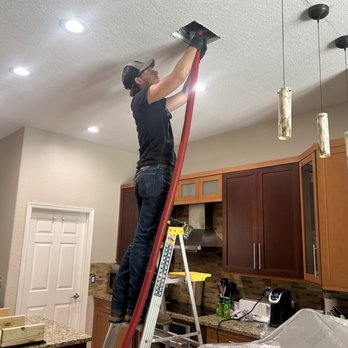
Rockledge Duct Cleaning After Roof Leaks: Early Signs You Should Not Ignore
Roof leaks are a common problem in Florida homes, especially in Rockledge, where heavy rainfall, seasonal storms, and aging roofing can allow water to seep into attics and structural cavities. While the immediate damage from roof leaks—like water stains on ceilings or walls—can be visible, one of the most overlooked consequences is the contamination of HVAC duct systems. Moisture entering ductwork can promote mold growth, accumulate dust and debris, and compromise indoor air quality.
Understanding the early signs that duct cleaning is necessary after a roof leak is essential for Rockledge homeowners. This guide provides a detailed, step-by-step look at duct contamination, cleaning procedures, and preventive strategies to ensure safe, healthy air circulation in homes.
Why Roof Leaks Affect Duct Systems
When water penetrates roofing or attic spaces, it can affect air ducts in several ways:
- Direct Water Intrusion: Leaks may drip directly onto exposed ductwork, wetting insulation or duct surfaces.
- Condensation: Increased attic humidity from a roof leak can cause condensation on ducts, especially on metal surfaces.
- Dust and Debris Accumulation: Water can loosen dust and insulation particles, which settle inside ducts.
- Mold and Mildew Growth: Moisture provides an ideal environment for microbial growth in enclosed duct systems.
- Airflow Obstruction: Accumulated debris and microbial colonies can reduce HVAC efficiency, strain the system, and lower indoor comfort.
These issues often go unnoticed until odors, allergies, or airflow problems develop, making early recognition critical.
Common Early Signs of Contaminated Ducts
Homeowners should be alert to the following indicators that ducts may need cleaning after a roof leak:
- Musty or Moldy Odors: Persistent, earthy smells when HVAC systems are running often indicate microbial growth inside ducts.
- Increased Dust or Debris: More dust settling on surfaces despite regular cleaning may point to contaminants circulating from the ducts.
- Visible Mold Around Registers: Mold growth on vents, grilles, or nearby insulation signals duct contamination.
- Reduced Airflow or Inconsistent Temperatures: Blockages or moisture buildup in ducts can disrupt proper circulation.
- Allergy Symptoms: Sneezing, coughing, or irritation in residents without other explanation may indicate airborne mold spores.
- Corroded or Rusted Ducts: Moisture from leaks can cause metal ductwork to rust over time, reducing durability and air quality.
Early detection allows for timely professional cleaning, preventing more serious structural or health issues.
Step 1: Professional Inspection
After identifying potential signs, the first step is a thorough professional inspection:
- Visual Assessment: Inspect ducts, registers, and air handling units for moisture, mold, or debris.
- Moisture Detection: Use moisture meters or thermal imaging to identify hidden damp spots inside ductwork or insulation.
- Airflow Testing: Evaluate system efficiency to detect blockages or uneven distribution caused by contamination.
- HVAC Component Review: Examine filters, coils, and drip pans to ensure they are not harboring mold or debris.
Professional inspection ensures that cleaning targets all affected areas, including hidden sections of the duct system.
Step 2: Containment During Cleaning
Containment is essential to prevent spores and debris from spreading during duct cleaning:
- Seal off rooms and unaffected duct sections with plastic sheeting
- Use negative air pressure to control airflow in contaminated areas
- Deploy HEPA-filtered air scrubbers to capture airborne particles
- Protect HVAC components that are not part of the cleaning process
Proper containment keeps contaminants confined and protects indoor air quality throughout the home.
Step 3: Removal of Contaminated Materials
Some parts of the duct system may require removal or replacement:
- Insulation: Wet or moldy duct insulation must be removed and replaced.
- Registers and Grilles: Clean or replace vent covers affected by debris or microbial growth.
- Duct Segments: Severely contaminated or damaged sections may need replacement.
- HVAC Components: Contaminated air handlers, coils, or drip pans may require professional cleaning or repair.
Removing compromised materials ensures effective cleaning and prevents recurring contamination.
Step 4: Duct Cleaning and Treatment
Cleaning restores duct integrity and improves indoor air quality:
- HEPA Vacuuming: Removes loose dust, debris, and spores.
- Mechanical Brush Agitation: Dislodges stubborn debris and microbial colonies.
- Antimicrobial Application: Treats ducts to prevent mold regrowth and maintain hygiene.
- Airflow Testing: Confirms that the system is balanced and fully functional.
Thorough cleaning ensures contaminants are removed, improving air quality and system efficiency.
Step 5: Drying and Dehumidification
Moisture management is critical to prevent mold recurrence:
- Use dehumidifiers and fans to dry ducts and surrounding areas
- Monitor moisture levels until ducts and insulation are completely dry
- Address attic or crawl space humidity to reduce condensation risks
Proper drying is especially important in Florida’s humid climate, where residual moisture can quickly lead to mold growth.
Step 6: Repairs and Maintenance
After cleaning, repairs help maintain system performance and prevent future issues:
- Seal duct joints to prevent air leaks and moisture intrusion
- Replace damaged insulation or duct segments
- Ensure drip pans, condensate lines, and HVAC components are functioning correctly
- Maintain proper airflow to reduce strain on the system
- Schedule routine inspections to monitor duct condition
These measures protect indoor air quality, system efficiency, and long-term duct integrity.
Preventive Strategies for Rockledge Homeowners
Property owners can minimize duct contamination after roof leaks with proactive measures:
- Roof and Gutter Maintenance: Regularly inspect roofing, flashing, and gutters to prevent leaks.
- Attic Ventilation: Ensure attics are ventilated to reduce humidity accumulation and condensation.
- Humidity Control: Use dehumidifiers in attics, crawl spaces, and other moisture-prone areas.
- Filter Replacement: Change HVAC filters regularly to trap dust and debris before they circulate.
- Seasonal HVAC Checks: Inspect ductwork and air handling units before and after rainy seasons.
These preventive strategies reduce the risk of duct contamination and maintain healthy indoor air quality.
The Importance of Local Expertise
Rockledge homes face unique environmental challenges, including coastal humidity, seasonal storms, and construction characteristics prone to leaks. Local professionals understand:
- Regional rainfall and storm patterns
- Common construction types and attic configurations
- Moisture-prone areas that affect HVAC ducts
- Effective cleaning and preventive techniques tailored to Florida homes
Companies like Palm Bay Mold Removal provide inspection, duct cleaning, and preventive services for Rockledge and surrounding Brevard County communities. Local expertise ensures cleaning is thorough, safe, and effective.
Calm, Practical Steps for Homeowners
After roof leaks, homeowners should take a structured approach to protect ducts and indoor air quality:
- Conduct a professional inspection to assess ducts, attic, and HVAC components.
- Contain affected areas during cleaning to prevent spore spread.
- Remove or repair damaged ducts, insulation, and vent components.
- Perform professional cleaning using HEPA vacuuming, brushing, and antimicrobial treatment.
- Dry ducts and surrounding areas thoroughly to prevent mold regrowth.
- Repair roofing leaks, seals, and insulation to eliminate future water intrusion.
- Implement preventive strategies, including humidity control, attic ventilation, and seasonal HVAC maintenance.
Following these steps ensures that Rockledge homes remain safe, healthy, and resilient against future roof leaks and duct contamination.
Professional duct cleaning restores indoor air quality, improves HVAC efficiency, and prevents mold and debris from compromising the safety and comfort of your home. Prompt action and reliance on local expertise help homeowners safeguard both property and health.