How Mold Inspection Helps Homes in Merritt Island During Rainy Season
The rainy season in Merritt Island brings frequent storms, high humidity, and periods of heavy rainfall. While these conditions are normal for coastal Florida, they also increase the risk of moisture problems inside homes. Roof leaks, condensation, damp crawl spaces, and poor ventilation can all create the kind of environment where mold begins to grow.
Mold inspection is one of the most effective ways to identify problems early, often before mold becomes visible. For homeowners, understanding how mold inspection works—and why it matters during the rainy season—can help prevent costly repairs and long-term damage.
Why Rainy Season Increases Mold Risk
During the rainy season, moisture levels both indoors and outdoors tend to rise. Even small amounts of water intrusion can create conditions where mold begins to develop.
Several factors contribute to increased mold risk in Merritt Island:
- Frequent rainstorms that expose roofs and windows to water intrusion
- High humidity that slows drying of damp materials
- Air-conditioning systems running continuously, creating condensation
- Attic and crawl space moisture buildup
- Reduced ventilation during periods of heavy rain
Because of these conditions, mold can begin forming in areas that may not be visible to homeowners.
What Mold Inspection Involves
Mold inspection is a systematic process designed to locate moisture, identify mold growth, and determine the source of the problem. The goal is not only to find mold but also to prevent it from spreading.
A professional mold inspection often includes:
- Visual inspection of walls, ceilings, and flooring
- Checking attics, crawl spaces, and mechanical rooms
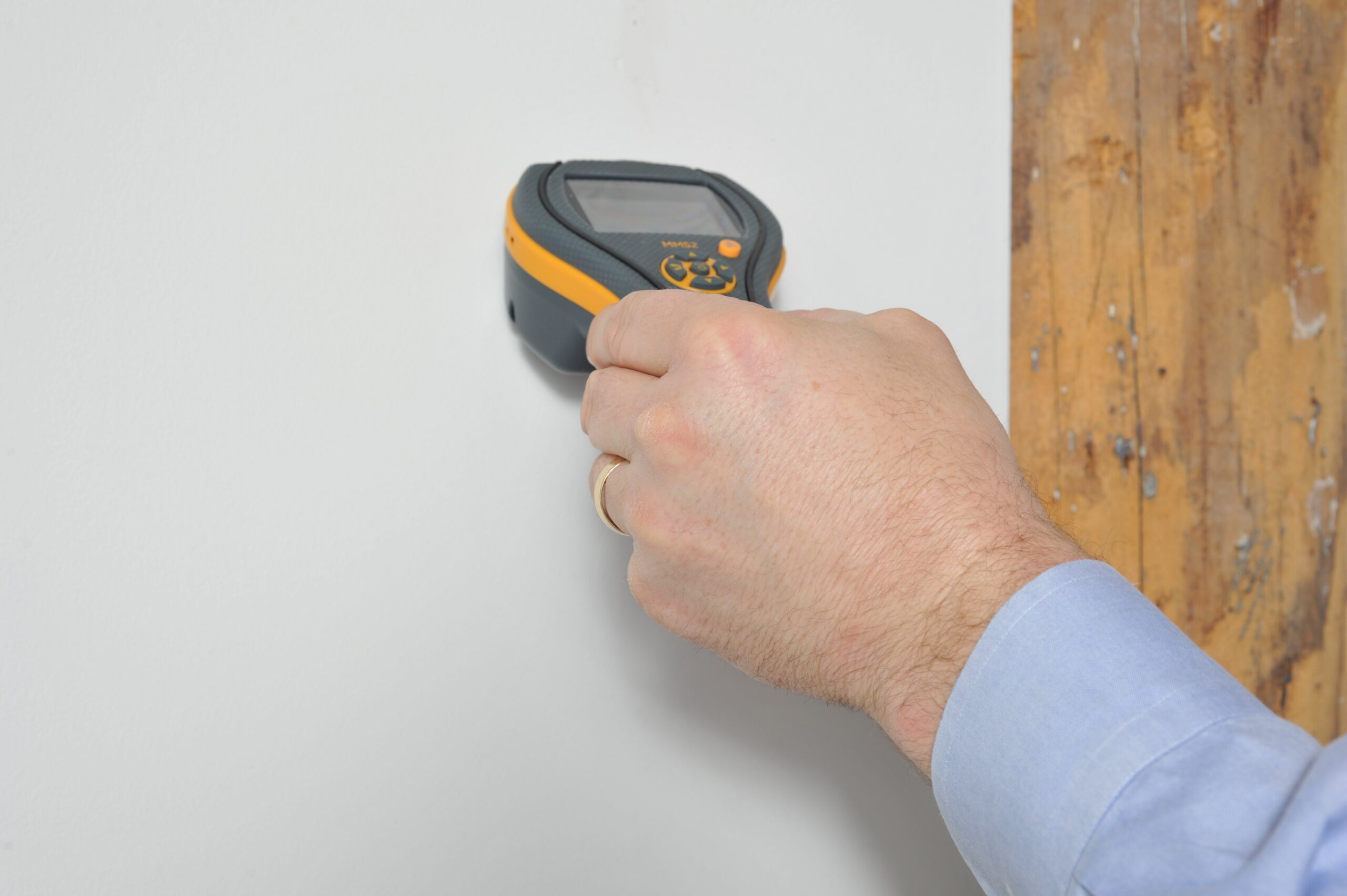
- Moisture meter testing of building materials
- Humidity measurement
- Airflow and ventilation evaluation
In some cases, surface or air sampling may be performed to confirm mold presence.
Early Signs That Mold May Be Developing
Homeowners often notice subtle warning signs before mold becomes visible. Recognizing these signs early makes inspection more effective.
Common indicators include:
- Musty or earthy odors
- Stains on ceilings or walls
- Peeling paint or bubbling drywall
- Persistent humidity indoors
- Condensation on windows or vents
Even minor changes in smell or appearance may indicate hidden moisture.
Hidden Areas Where Mold Often Develops
Mold frequently grows in areas that are not easily visible, especially after prolonged periods of humidity or small leaks.
Common hidden areas include:
- Behind drywall in bathrooms or kitchens
- Beneath carpet padding and subfloors
- Inside attic insulation
- Around air ducts and vents
- Inside closets or storage areas
During rainy season, attic spaces are particularly vulnerable because warm air and humidity tend to rise and become trapped.
Why Visual Checks Alone Are Not Enough
Many homeowners assume that if mold cannot be seen, it is not present. Unfortunately, mold often grows behind surfaces where it cannot be detected without specialized tools.
Visual inspections alone may miss:
- Moisture inside wall cavities
- Damp insulation in attics
- Minor leaks around roof penetrations
- Subfloor moisture beneath flooring
Moisture detection equipment helps locate these hidden issues before they worsen.
How Professional Mold Inspection Works
A thorough inspection follows a structured process designed to locate both mold and the conditions that allow it to grow.
Moisture Detection
Meters measure moisture levels in drywall, wood framing, and flooring to identify damp areas.
Thermal Imaging
Infrared cameras help locate temperature differences that may indicate hidden moisture.
Humidity Assessment
Indoor humidity levels are measured to determine whether conditions support mold growth.
Structural Evaluation
Attics, crawl spaces, and HVAC systems are examined for signs of moisture or poor ventilation.
Professionals familiar with Brevard County homes, including teams like Palm Bay Mold Removal, often use these methods to ensure that hidden moisture is identified before mold spreads.
How Mold Inspection Helps Prevent Larger Problems
One of the biggest advantages of mold inspection is prevention. By identifying moisture early, homeowners can address problems before structural damage occurs.
Inspection helps:
- Locate small leaks before they cause major damage
- Prevent mold from spreading to multiple areas
- Improve indoor air quality
- Reduce repair costs
- Protect structural materials
Early detection is often the most effective way to avoid extensive mold remediation later.
What Happens If Mold Is Found
If mold is discovered during inspection, the next step is to address both the mold and the moisture source. Mold removal and remediation typically involve:
- Containing affected areas
- Removing contaminated materials when necessary
- Cleaning and treating surfaces
- Drying and dehumidifying the structure
- Verifying moisture levels after treatment
Addressing the moisture source is essential to prevent mold from returning.
The Role of HVAC Systems in Mold Prevention
HVAC systems play an important role in controlling humidity and airflow. During mold inspections, technicians often examine:
- Air ducts and insulation
- Filters and vents
- Condensation lines
- Air handlers and drain pans
Moisture inside duct systems can circulate humid air throughout the home, making inspection and maintenance especially important during the rainy season.
Preventive Steps Homeowners Can Take
While inspections are important, homeowners can also take steps to reduce mold risk during rainy months.
Helpful practices include:
- Inspecting roofs and flashing regularly
- Keeping gutters and downspouts clear
- Monitoring indoor humidity levels
- Using dehumidifiers in humid areas
- Ensuring attic ventilation is adequate
- Repairing leaks promptly
Homes in nearby communities such as Rockledge, Cocoa Beach, and Satellite Beach often follow similar routines because climate conditions are consistent across the region.
Why Local Experience Matters
Mold inspection in coastal Florida requires an understanding of humidity patterns, storm behavior, and construction methods common in Brevard County homes. Drying times and moisture movement differ significantly from those in drier climates.
Professionals familiar with Merritt Island properties understand:
- Where moisture most often accumulates during rainy season
- How attic heat affects drying
- Which materials are most vulnerable
- How to prevent recurring mold problems
Palm Bay Mold Removal and other experienced local providers often focus on identifying both moisture and ventilation issues, helping homeowners achieve long-term results.
A Practical Approach for Homeowners
Rainy season conditions in Merritt Island make moisture problems more likely, but early action can prevent serious damage. Scheduling a mold inspection after storms, paying attention to early warning signs, and maintaining proper ventilation are effective ways to protect a home.
Mold inspection is not just about finding visible growth—it is about identifying hidden moisture, correcting small problems early, and maintaining a safe, comfortable indoor environment. With proper inspection and preventive maintenance, most mold issues can be avoided before they become costly repairs.