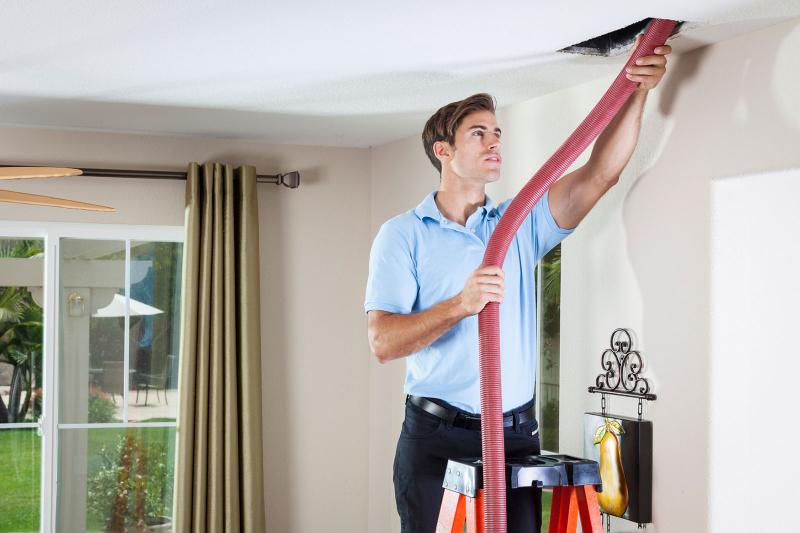
Duct Cleaning Services in Rockledge After Roof Leaks: Inspection and Repair Guide
Roof leaks can cause more damage than many property owners expect. While stains on ceilings and damp insulation are often the first visible signs, moisture from a roof leak frequently spreads into attic spaces and HVAC duct systems. In Rockledge, where humidity levels are already high, moisture inside ductwork can linger and affect indoor air quality, airflow, and system efficiency.
Duct cleaning services after roof leaks are an important step in restoring a home or commercial property. Proper inspection, drying, and cleaning help prevent long-term problems such as mold growth, persistent odors, and reduced HVAC performance.
How Roof Leaks Affect Air Duct Systems
Air ducts often run through attics or ceiling cavities—areas that are especially vulnerable when a roof leak develops. Water entering through damaged roofing or flashing may drip directly onto ducts or soak surrounding insulation.
When ducts are exposed to moisture, several issues can occur:
- Damp or deteriorating duct insulation
- Dust and debris clumping inside duct runs
- Musty odors circulating through the building
- Reduced airflow efficiency
- Conditions that support mold growth
Because ducts carry air throughout the property, contamination in one section can affect multiple rooms.
Why Duct Problems Are Common in Rockledge
Homes and commercial buildings in Rockledge and nearby areas such as Cocoa, Merritt Island, and Viera experience environmental conditions that make duct moisture problems more likely.
High humidity year-round
Moist air slows drying and allows damp materials to stay wet longer.
Frequent storms and heavy rainfall
Roof leaks often occur after severe weather.
Attic heat and limited ventilation
Warm attic air traps moisture around ducts and insulation.
Continuous HVAC use
Air-conditioning systems run frequently, circulating air through ducts that may already be damp.
These factors make professional inspection especially important after roof leaks.
Early Signs Duct Cleaning May Be Needed
Property owners often notice subtle signs before duct problems become severe. Warning indicators include:
- Musty or stale odors when the HVAC system runs
- Increased dust around vents
- Uneven airflow in certain rooms
- Higher humidity indoors
- Visible staining near ceiling vents
These symptoms often indicate moisture or debris inside ductwork.
Hidden Damage Inside Duct Systems
Duct problems are often hidden because most of the system is located behind ceilings or in attic spaces. Moisture may collect in:
- Insulated duct sections
- Flexible duct connections
- Return air ducts
- Ceiling cavities around vents
- Attic insulation surrounding duct runs
Without professional inspection, these areas may remain damp and continue affecting air quality.
Why DIY Cleaning Is Usually Not Effective
Some property owners attempt to clean vents or replace filters, which can help temporarily but rarely solves deeper problems.
DIY methods often fall short because:
- Moisture inside ducts remains undetected
- Debris deep in duct runs is not removed
- Mold growth behind insulation is not treated
- Airflow issues are not properly diagnosed
Professional equipment and inspection tools are necessary to fully evaluate and clean duct systems.
The Professional Duct Inspection Process
A thorough inspection is the first step in restoring duct systems after roof leaks. This process helps determine the extent of moisture and whether cleaning or repairs are needed.
A professional inspection typically includes:
Moisture Detection
Meters and thermal imaging tools locate damp areas inside ducts and surrounding materials.
Visual Examination
Attic spaces, insulation, and accessible duct sections are inspected for water damage.
Airflow Testing
Technicians evaluate airflow to identify restrictions or blockages.
Humidity Measurement
Indoor humidity levels are checked to determine drying requirements.
Professionals familiar with Brevard County properties, including teams like Palm Bay Mold Removal, often focus on identifying both moisture sources and ventilation issues to ensure lasting results.
The Duct Cleaning Process After Roof Leaks
Once inspection confirms the need for cleaning, the process typically follows a structured sequence.
Step 1: Preparation and Containment
Sections of the HVAC system may be isolated to prevent debris from spreading.
Step 2: Removal of Debris and Dust
Specialized equipment removes dust, dirt, and contaminants from duct interiors.
Step 3: Cleaning Vents and Registers
Accessible components are cleaned to restore airflow.
Step 4: Drying and Dehumidification
Air movers and dehumidifiers reduce moisture levels in ducts and surrounding areas.
Step 5: Final Inspection and Verification
Airflow and moisture levels are checked to confirm that the system is functioning properly.
This process helps restore efficiency and improve indoor air conditions.
Repairs That May Be Needed After Inspection
Roof leaks often cause damage that requires repair in addition to cleaning. Addressing these issues prevents recurring moisture problems.
Common repairs include:
- Replacing damaged duct insulation
- Sealing duct joints and connections
- Repairing or replacing corroded duct sections
- Improving attic ventilation
These repairs help protect the HVAC system and maintain consistent airflow.
Indoor Air Quality and Duct Maintenance
Clean, dry duct systems play an important role in maintaining indoor air quality. When ducts are contaminated or damp, they can circulate dust, odors, and humid air throughout the building.
Regular duct cleaning and maintenance help:
- Improve airflow and ventilation
- Reduce airborne dust
- Control humidity levels
- Prevent mold growth in hidden areas
For properties that have experienced roof leaks, duct cleaning is often a key step in restoring healthy indoor conditions.
Preventing Future Duct Problems
Property owners in Rockledge can reduce the likelihood of future duct issues by following several preventive steps.
Helpful practices include:
- Inspecting roofs regularly, especially after storms
- Maintaining attic ventilation
- Scheduling HVAC inspections annually
- Monitoring indoor humidity levels
- Addressing small leaks promptly
Buildings in nearby communities such as Satellite Beach and Melbourne often follow similar maintenance routines because regional climate conditions are consistent.
Why Local Experience Matters
Duct cleaning and restoration in coastal Florida require an understanding of humidity patterns, storm behavior, and construction methods common in Brevard County homes and commercial buildings. Drying times and moisture movement differ significantly from those in drier climates.
Professionals familiar with Rockledge properties understand:
- Where moisture most often collects after roof leaks
- How attic heat affects drying
- Which insulation materials are most vulnerable
- How to prevent recurring moisture problems
Palm Bay Mold Removal and other experienced local providers often focus on both cleaning and moisture control, helping property owners maintain reliable HVAC performance.
A Practical Approach for Property Owners
Roof leaks can lead to hidden problems in duct systems, but early action can prevent long-term damage. Scheduling a professional inspection, cleaning ducts when necessary, and repairing moisture sources are essential steps in restoring airflow and indoor air quality.
For property owners in Rockledge, routine maintenance and prompt response to leaks are the most effective ways to protect HVAC systems and maintain a comfortable indoor environment. With proper inspection and repair, most duct-related issues after roof leaks can be resolved efficiently and prevented from returning.