
Mold Inspection in Cocoa Beach After Water Damage: Inspection and Repair Guide
Water damage in Cocoa Beach homes often happens quickly. A tropical storm moves across the coast, wind-driven rain pushes past window seals, or a roof leak develops after high winds. The visible water may be cleaned up within hours, but in Florida’s coastal humidity, the real concern begins after the surface appears dry.
Mold growth can begin within 24 to 48 hours when materials remain damp. Because Cocoa Beach sits directly along the Atlantic, high humidity slows natural drying and increases the risk of hidden contamination. A professional mold inspection after water damage helps homeowners understand what is happening behind walls, beneath flooring, and inside attic spaces.
This guide explains how mold inspection works, why it matters in coastal homes, and what repair steps may follow.
Why Water Damage in Cocoa Beach Leads to Mold Quickly
Cocoa Beach homes face constant environmental moisture pressure. Even outside of hurricane season, humidity remains elevated year-round.
When water enters a home from roof leaks, plumbing issues, or minor flooding, porous materials absorb it immediately. Drywall wicks moisture upward. Insulation traps dampness inside wall cavities. Wood framing holds moisture longer than most homeowners expect.
Because coastal air remains humid, evaporation happens slowly. Materials that might dry naturally in drier climates remain damp for extended periods in Cocoa Beach.
That extended dampness creates ideal conditions for mold growth.
Common Water Damage Sources in Coastal Homes
Understanding the cause of water intrusion is essential before inspection begins.
Roof leaks after storms
Window and sliding glass door seal failure
AC condensate overflow
Clogged gutters
Plumbing leaks behind walls
Rising groundwater in low-lying areas
Homes near the shoreline or canals are particularly vulnerable to wind-driven rain.
In nearby Satellite Beach and Merritt Island, similar patterns occur, but direct ocean exposure in Cocoa Beach increases salt air wear on exterior materials.
Early Warning Signs Mold May Be Developing
After water damage, homeowners should monitor for subtle indicators of hidden mold.
Musty or earthy odors
Discoloration along baseboards
Peeling paint
Soft drywall
Warped laminate flooring
Persistent indoor humidity
In many cases, mold begins inside wall cavities before appearing on surfaces. By the time visible staining occurs, moisture has often been present for weeks.
Inspection helps identify problems before structural deterioration progresses.
What a Professional Mold Inspection Includes
A thorough mold inspection is more than a visual check.
The process begins with identifying the moisture source. Without correcting the water issue, mold will return even after cleaning.
Professional inspection typically includes:
Detailed visual examination
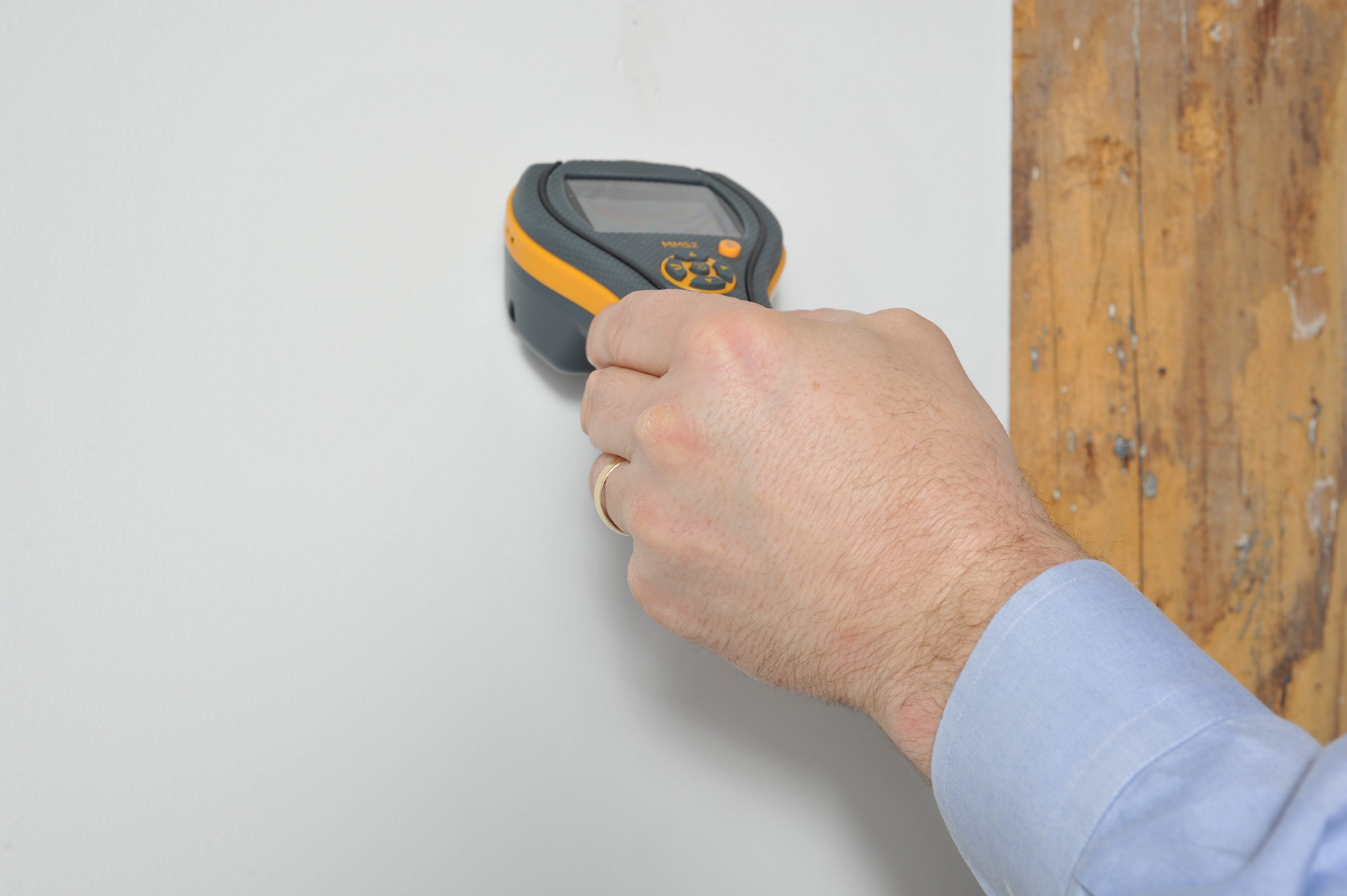
Moisture meter readings
Thermal imaging scans
Air sampling when appropriate
Surface sampling of visible growth
Moisture meters measure dampness inside drywall, subflooring, and framing. Thermal imaging cameras help detect temperature variations that indicate hidden water pockets.
Air sampling compares indoor spore levels to outdoor conditions, providing measurable data about contamination levels.
Palm Bay Mold Removal often begins post-water damage projects in Cocoa Beach with structured moisture mapping to locate hidden damp areas.
Why Moisture Detection Is Critical
Mold cannot grow without moisture. Identifying and eliminating the moisture source is the foundation of any effective repair plan.
Even if surfaces feel dry, internal materials may still contain trapped water. Moisture detection tools reveal hidden dampness that would otherwise go unnoticed.
Without this step, remediation may be incomplete.
When Mold Testing Is Recommended
Testing is not required in every case. If visible mold is clearly present, remediation may proceed without laboratory confirmation.
However, testing is beneficial when:
There are strong odors but no visible growth
Water damage occurred weeks earlier
Real estate transactions require documentation
Occupants are concerned about air quality
Testing provides objective information that guides repair decisions.
Repair and Remediation Steps After Inspection
Once inspection identifies mold presence and moisture sources, structured remediation may begin.
Typical repair steps include:
Correcting the water source
Installing containment barriers
Using HEPA air filtration
Removing contaminated materials
Cleaning structural components
Drying affected areas thoroughly
Porous materials such as drywall or insulation may require removal if contamination is extensive.
After cleaning, humidity levels must remain controlled to prevent recurrence.
Attic and HVAC Considerations
Attics in Cocoa Beach homes often experience condensation due to high outdoor humidity and temperature differences.
If roof leaks occur, moisture can travel along rafters before appearing in living spaces.
HVAC systems should also be inspected after water damage. Clogged AC drain lines can cause secondary moisture issues. Ductwork exposed to humidity may require evaluation.
Maintaining indoor humidity below 60 percent significantly reduces mold risk.
Preventing Mold After Repairs
Prevention begins with routine maintenance and moisture awareness.
Inspect roofing annually and after major storms.
Seal windows and exterior penetrations.
Maintain gutters and downspouts.
Service HVAC systems regularly.
Monitor indoor humidity levels.
Homes in Cocoa Beach benefit from dehumidifiers during peak summer months when humidity remains high.
Addressing small leaks immediately prevents larger restoration projects later.
Why Local Experience Matters
Coastal moisture patterns differ from inland areas like West Melbourne or Rockledge. Cocoa Beach homes face stronger wind exposure and direct ocean humidity.
Professionals familiar with Brevard County construction styles understand common vulnerabilities in beachside properties.
Palm Bay Mold Removal has worked throughout Cocoa Beach and neighboring coastal communities, addressing moisture-related mold concerns specific to this region.
Protecting Your Coastal Property
Water damage can feel overwhelming, especially when mold concerns follow.
A professional mold inspection provides clarity. It identifies hidden moisture, confirms contamination levels, and guides effective repair strategies.
In Cocoa Beach’s humid coastal climate, proactive inspection prevents small moisture problems from becoming larger structural issues.
By acting quickly after water intrusion and maintaining consistent moisture control, homeowners can protect both indoor air quality and long-term property value.
Early detection, proper drying, and preventative maintenance are the most effective tools for keeping coastal homes stable and mold-free.