Emergency Water Removal Services in Melbourne During Rainy Season: Inspection and Repair Guide
The rainy season in Melbourne brings frequent storms, sudden downpours, and periods of high humidity. While the rain is a normal part of Florida’s climate, it also increases the risk of water intrusion in homes and commercial buildings. Roof leaks, overflowing gutters, plumbing backups, and ground-level flooding can introduce water quickly, sometimes within minutes.
Emergency water removal services are designed to respond immediately, remove standing water, and begin drying before serious damage develops. Understanding how the inspection and repair process works helps property owners act quickly and prevent long-term structural problems.
What Emergency Water Removal Really Involves
Emergency water removal focuses on rapid response. The goal is to stop water from spreading, remove as much moisture as possible, and stabilize the structure.
Typical services include:
- Extracting standing water from floors and carpets
- Removing saturated materials when necessary
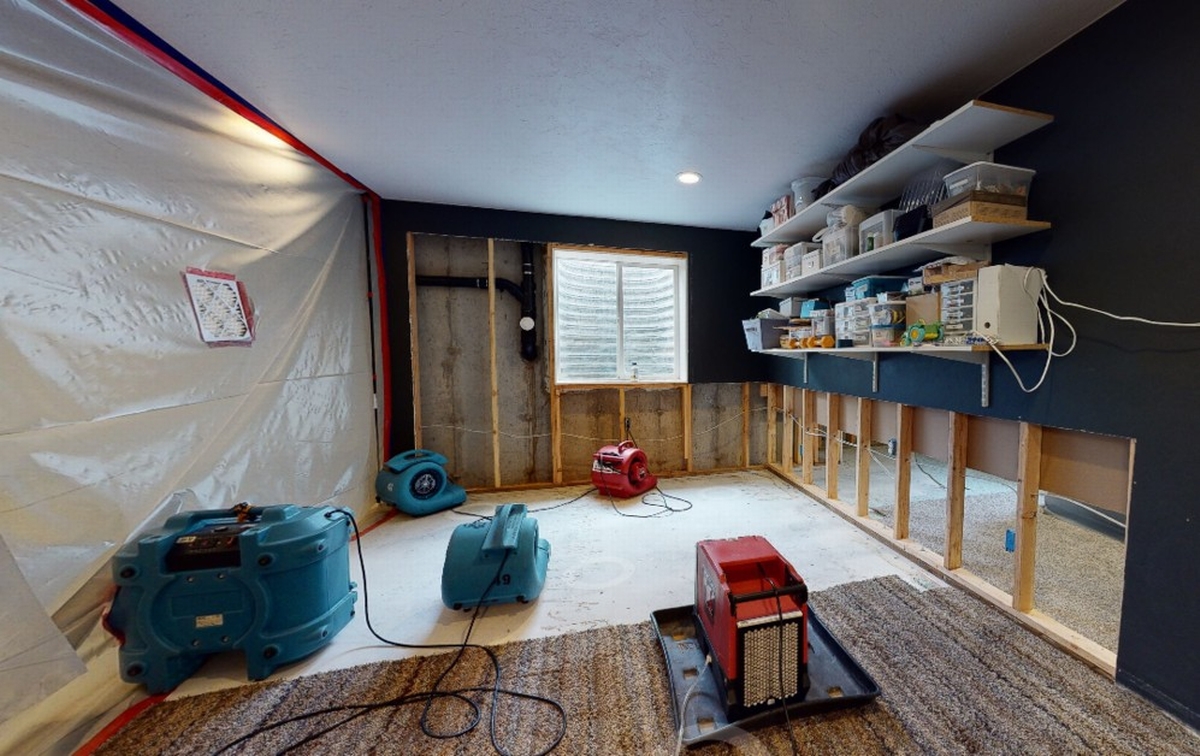
- Setting up drying and dehumidification equipment
- Detecting hidden moisture in walls and flooring
- Monitoring humidity levels during drying
These steps are essential because moisture left behind can lead to mold growth, material deterioration, and persistent odors.
Why Water Intrusion Is Common During Melbourne’s Rainy Season
Melbourne and nearby areas such as Palm Bay, West Melbourne, and Satellite Beach experience environmental conditions that increase the likelihood of water damage during the rainy season.
Frequent heavy storms
Short but intense rainstorms can overwhelm drainage systems and roof gutters.
Wind-driven rain
Strong winds can force water through small openings in roofing or around windows.
High humidity levels
Moist air slows drying, allowing water to remain trapped longer in building materials.
Flat or low-slope roof sections
Some buildings experience water pooling if drainage is restricted.
Because of these factors, even small leaks can become larger problems if not addressed quickly.
Early Signs That Emergency Water Removal Is Needed
In some cases, water damage is obvious, but in others, early warning signs appear before flooding becomes severe.
Common signs include:
- Damp or stained ceilings or walls
- Wet carpeting or flooring
- Musty odors appearing quickly after storms
- Peeling paint or bubbling drywall
- Unusual humidity indoors
These signs often indicate moisture spreading beyond visible areas.
Hidden Areas Where Water Often Spreads
Water rarely stays in one place. After heavy rain or leaks, moisture can travel into areas that are not immediately visible, including:
- Wall cavities behind drywall
- Carpet padding and subfloors
- Attic insulation and roof decking
- Around air ducts and vents
- Inside closets or storage spaces
Because these areas are concealed, professional moisture detection is often necessary to determine the full extent of the damage.
Why Immediate Inspection Matters
Inspection is one of the most important steps after water intrusion. Without proper assessment, moisture may remain hidden and lead to mold or structural damage.
A professional inspection typically includes:
Moisture Detection
Meters and thermal imaging tools help locate damp areas behind surfaces.
Structural Evaluation
Walls, ceilings, flooring, and insulation are examined for damage.
Humidity Measurement
Indoor humidity levels are checked to determine drying requirements.
Professionals familiar with Brevard County homes, including teams like Palm Bay Mold Removal, often focus on identifying both visible and hidden moisture to prevent future problems.
Step-by-Step Emergency Water Removal Process
Emergency water removal follows a structured approach designed to remove water efficiently and stabilize the structure.
Step 1: Safety and Damage Assessment
Technicians evaluate affected areas and identify potential hazards such as electrical risks or weakened materials.
Step 2: Water Extraction
High-capacity pumps and extraction equipment remove standing water from floors, carpets, and surfaces.
Step 3: Moisture Detection and Mapping
Tools are used to locate hidden moisture and determine how far water has spread.
Step 4: Drying and Dehumidification
Air movers and dehumidifiers are placed strategically to remove moisture from both materials and the air.
Step 5: Monitoring and Verification
Moisture readings are taken regularly to confirm that drying is complete.
This systematic process helps prevent mold growth and structural damage.
Repairs After Water Removal
Once the building is fully dry, repairs may be necessary depending on the severity of the damage.
Common repairs include:
- Replacing damaged drywall or ceiling materials
- Repairing flooring or subfloors
- Restoring insulation
- Sealing roof or plumbing leaks
Addressing these issues ensures that moisture does not return and that the structure remains stable.
HVAC Systems and Moisture Control
HVAC systems play a major role in drying and indoor air quality. After water intrusion, technicians often inspect:
- Air ducts and insulation
- Drain pans and condensation lines
- Air handlers and filters
- Vent airflow and humidity levels
Maintaining HVAC systems helps control humidity and prevents moisture from circulating through the building.
Preventing Future Water Damage During Rainy Season
While not all water damage can be prevented, several steps can significantly reduce risk.
Homeowners and property managers can:
- Clean gutters and downspouts regularly
- Inspect roofs before and after storm season
- Seal gaps around windows and doors
- Monitor indoor humidity levels
- Schedule periodic moisture inspections
Buildings in nearby communities such as Merritt Island and Rockledge often follow similar preventive routines because rainfall patterns are consistent across the region.
Why Local Experience Matters
Emergency water removal in coastal Florida requires an understanding of storm patterns, humidity levels, and construction methods common in Melbourne homes. Drying times and moisture behavior differ from those in drier climates.
Professionals familiar with the area understand:
- Where rainwater most often enters buildings
- How attic heat affects drying
- Which materials are most vulnerable
- How to prevent recurring moisture problems
Palm Bay Mold Removal and other experienced local providers often focus on both water removal and long-term moisture control, helping property owners protect their buildings effectively.
A Practical Approach for Property Owners
Water damage during the rainy season can happen quickly, but rapid response and proper restoration make a significant difference. Immediate inspection, efficient water removal, and thorough drying help prevent mold growth and structural damage.
For property owners in Melbourne, staying alert to early signs of moisture and scheduling inspections after heavy storms are the most effective ways to protect buildings. With timely action and proper repairs, most water damage situations can be resolved efficiently and prevented from becoming recurring problems.