
Melbourne Mold Remediation in Older Homes: Warning Signs and Prevention
Melbourne has neighborhoods filled with character — homes built decades ago with solid framing, mature landscaping, and architectural charm. But older homes along Florida’s Space Coast also come with moisture vulnerabilities that newer construction often addresses more effectively.
High humidity, heavy summer rainfall, and hurricane-season storms create constant moisture pressure on buildings. In older homes especially, mold growth can develop quietly after roof leaks, plumbing issues, or long-term condensation problems.
Understanding the warning signs and knowing how proper mold remediation works can help Melbourne homeowners protect their property before damage becomes extensive.
Why Older Homes in Melbourne Are More Susceptible
Construction standards have evolved over the years. Many older Melbourne homes were built before modern moisture barriers, advanced attic ventilation systems, and high-efficiency HVAC equipment became common.
Common vulnerabilities in older homes include:
Aging roofing systems
Outdated window seals
Limited vapor barriers
Original duct systems in hot attics
Settling foundation cracks
Older plumbing materials
These factors make older structures more likely to retain moisture after storms or leaks.
Homes near the Indian River Lagoon or in low-lying areas may also experience higher ambient humidity exposure.
How Florida’s Climate Accelerates Mold Growth
Melbourne’s climate plays a significant role in mold development. Warm temperatures and high humidity create ideal growth conditions when materials become damp.
After water intrusion, drywall absorbs moisture quickly. Insulation holds water inside wall cavities. Wood framing retains dampness longer than many homeowners realize.
In Florida’s environment, mold can begin forming within 24 to 48 hours if moisture remains.
Unlike dry climates where materials may air-dry naturally, Melbourne’s humidity slows evaporation and increases risk.
Early Warning Signs in Older Homes
Mold does not always appear immediately after water damage. Homeowners should watch for subtle signs.
Musty or earthy odors
Discoloration along baseboards
Bubbling paint
Soft drywall
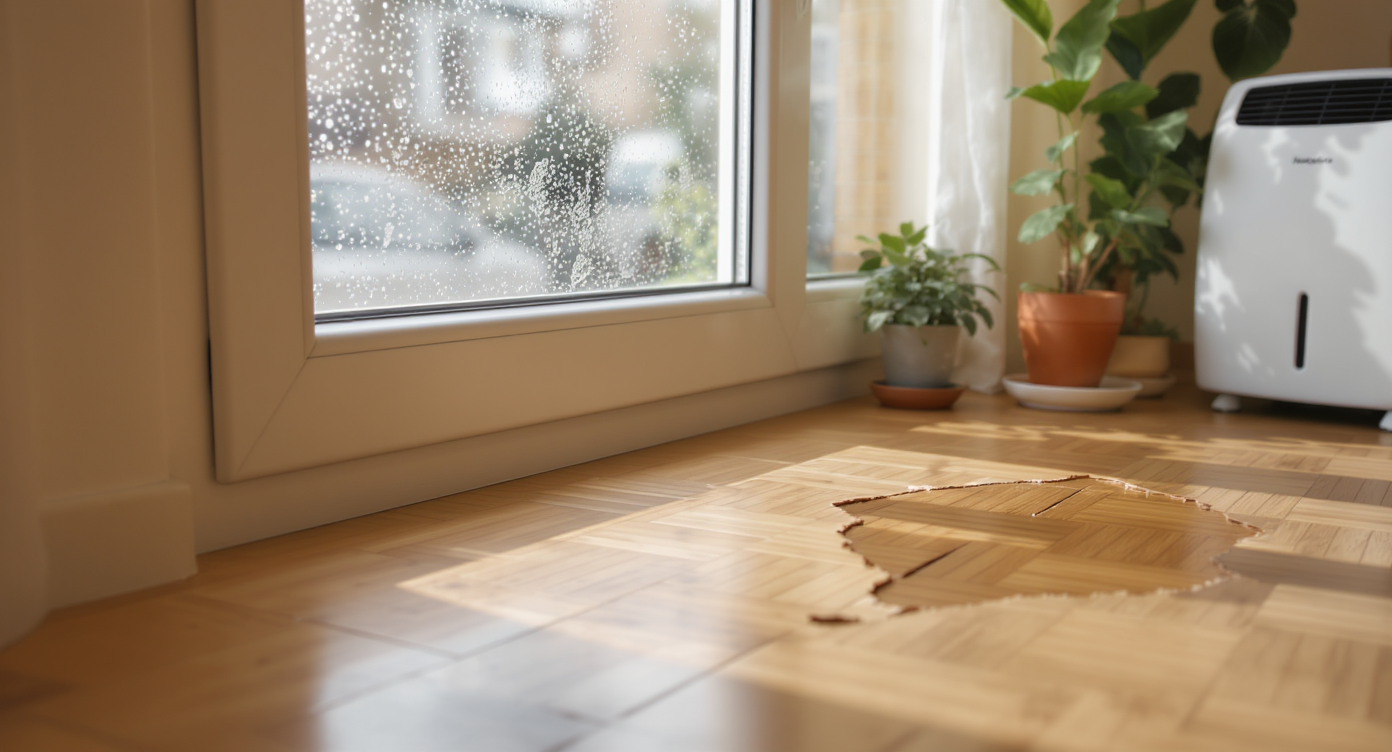
Warped wood flooring
Increased indoor humidity
In older homes with plaster walls or wood paneling, mold may develop behind surfaces before becoming visible.
Attics are another common problem area. Dark staining on roof decking often indicates prolonged condensation or roof leaks.
Common Moisture Sources in Older Melbourne Properties
Identifying the moisture source is critical before remediation begins.
Roof leaks from aging shingles
Flashing deterioration
AC condensation overflow
Clogged gutters
Plumbing leaks behind walls
Poor attic ventilation
Older HVAC systems may struggle to control humidity effectively. In some homes, duct insulation may be deteriorated, allowing condensation to form inside attic spaces.
Homes in nearby West Melbourne and Rockledge experience similar climate conditions, but older coastal properties often face greater exposure to salt air and storm-driven rain.
What Mold Remediation Involves
Professional mold remediation is a structured process designed to remove contamination safely and address the underlying moisture problem.
The process typically includes:
Identifying and correcting the moisture source
Isolating affected areas with containment barriers
Using HEPA air filtration
Removing contaminated materials when necessary
Cleaning structural surfaces
Thorough drying and humidity control
Remediation focuses not just on visible mold, but on preventing recurrence.
Palm Bay Mold Removal often emphasizes that without solving the moisture issue first, mold will return.
Why DIY Cleanup Often Fails
Homeowners sometimes attempt to clean mold using household products. Surface cleaning may temporarily reduce visible staining, but it rarely addresses contamination inside wall cavities or beneath flooring.
Scrubbing without containment can spread spores to unaffected areas.
Painting over stained surfaces does not eliminate hidden growth.
In older homes, porous materials such as wood framing and insulation require professional treatment when contamination is confirmed.
The Role of Moisture Detection
Moisture detection is essential in older properties.
Moisture meters measure dampness levels inside drywall and framing. Thermal imaging helps identify hidden wet areas.
Even when surfaces feel dry, internal moisture may still be present.
Accurate detection ensures that remediation efforts target all affected zones.
Preventing Mold in Older Melbourne Homes
Prevention requires consistent maintenance and awareness.
Inspect roofing annually.
Replace aging window seals.
Maintain gutters and drainage systems.
Service HVAC systems regularly.
Monitor indoor humidity levels.
Ensure attic ventilation is functioning properly.
Keeping indoor humidity below 60 percent significantly reduces mold risk.
Dehumidifiers may help during peak summer months.
Upgrading attic insulation and ventilation can reduce condensation buildup in older homes.
Crawl Spaces and Subfloor Concerns
Some older Melbourne homes include crawl spaces rather than slab foundations.
Crawl spaces are especially vulnerable to moisture accumulation during heavy rain. Damp soil beneath the home increases humidity inside living areas.
Signs of crawl space moisture problems include:
Sagging floors
Musty odors
Visible wood discoloration
Condensation on beams
Encapsulation or vapor barrier upgrades may be beneficial in these situations.
Why Local Experience Matters
Melbourne’s coastal climate creates specific moisture patterns not found in inland Florida communities.
Professionals familiar with Brevard County construction styles understand common vulnerabilities in older homes.
Palm Bay Mold Removal has worked extensively throughout Melbourne and surrounding areas, addressing mold issues unique to coastal and aging structures.
Protecting the Value of Older Homes
Older homes offer character and craftsmanship that many homeowners appreciate. Protecting that investment requires proactive moisture management.
Mold remediation restores structural stability and improves indoor air quality. More importantly, it prevents ongoing deterioration that can become costly over time.
By recognizing early warning signs and acting quickly after water intrusion, Melbourne homeowners can preserve both the comfort and longevity of their property.
In Florida’s humid climate, prevention and timely inspection are essential. Addressing small moisture issues today helps avoid extensive repairs tomorrow.