
How Water Damage Restoration Helps Homes in Melbourne in Commercial Buildings
Melbourne continues to grow with new retail centers, office complexes, medical facilities, and mixed-use commercial properties. With that growth comes increased exposure to Florida’s climate — heavy summer storms, high humidity, and hurricane season conditions that challenge building structures year-round.
Water damage in commercial buildings behaves differently than in residential homes. Larger roof systems, complex plumbing networks, extensive HVAC layouts, and flat roofing designs create multiple points of vulnerability. In Melbourne’s humid environment, moisture does not dry quickly on its own.
Water damage restoration plays a critical role in protecting commercial properties from structural deterioration, indoor air quality problems, and operational disruption.
Why Commercial Buildings in Melbourne Are Vulnerable
Commercial structures often have flat or low-slope roofing systems. While practical for large spaces, these roofs are more susceptible to ponding water during heavy rain.
Melbourne’s frequent thunderstorms and tropical systems can overwhelm drainage systems. If roof drains clog or membranes age, water may slowly infiltrate insulation beneath the roofing surface.
In addition, commercial buildings contain:
Extensive ductwork
Multiple restrooms and plumbing lines
Rooftop HVAC units
Fire suppression systems
Large wall and ceiling cavities
Each of these components presents potential leak risks.
Unlike single-family homes, water intrusion in commercial spaces can affect large square footage quickly.
Early Warning Signs of Water Damage
Water damage in commercial properties often begins subtly.
Discolored ceiling tiles
Bubbling paint along upper walls
Musty odors in office areas
Soft drywall near plumbing fixtures
Warped flooring in retail spaces
Drop ceiling systems commonly used in Melbourne office buildings can conceal active leaks for weeks. By the time tiles sag or stain, moisture may have already spread across insulation layers above.
In retail or warehouse spaces, uneven humidity or damp patches on concrete floors may signal hidden intrusion.
Flat Roof Systems and Ponding Water
Flat roofing systems are one of the most common sources of commercial water damage in Melbourne.
After heavy rainfall, standing water may remain in low spots. If seams in the roofing membrane weaken, moisture can seep into underlying insulation.
Water may travel laterally across insulation layers before appearing inside the building. This makes pinpointing the true leak source challenging without professional inspection.
Proper restoration addresses both the visible damage and the underlying roofing issue.
HVAC Systems and Mechanical Penetrations
Rooftop HVAC units create additional penetration points in roofing systems.
Flashing around unit curbs can deteriorate over time. Condensate drain lines may clog and overflow, allowing water to drip into ceilings.
In humid climates like Melbourne, condensation can also form inside duct systems if insulation is insufficient.
Water damage restoration often involves evaluating HVAC components alongside roofing systems to identify all moisture sources.
Plumbing Leaks in Multi-Unit Buildings
Commercial properties often contain multiple restrooms, kitchens, and service areas. Plumbing systems run through shared walls and ceilings.
Slow leaks inside walls may go unnoticed until drywall softens or mold odors develop.
Common plumbing-related warning signs include:
Persistent musty smells
Soft wall sections near fixtures
Water staining beneath sinks
Unexplained increases in water bills
Professional moisture detection tools allow technicians to identify hidden plumbing leaks without unnecessary demolition.
The Importance of Immediate Restoration
Time is critical in commercial environments.
Water left untreated weakens drywall and insulation. Ceiling grids may corrode. Flooring materials warp or detach. In humid summer conditions, mold growth can begin within 24 to 48 hours.
Commercial properties must also consider business continuity. Water damage can disrupt tenants, employees, and daily operations.
Early restoration reduces downtime and prevents small leaks from escalating into major structural repairs.
The Water Damage Restoration Process
Professional water damage restoration follows a structured approach.
First, technicians identify and correct the source of moisture. Without addressing the cause, drying efforts will fail.
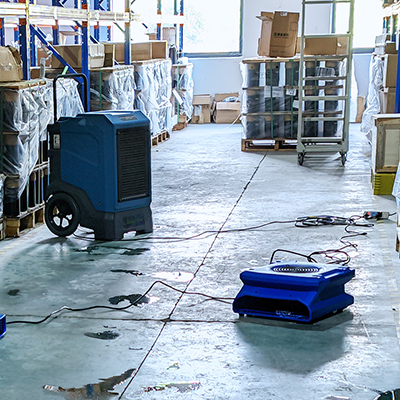
Water extraction equipment removes standing water. Industrial air movers promote airflow across wet surfaces. Commercial dehumidifiers reduce ambient humidity.
Moisture meters monitor drywall, insulation, and flooring materials to ensure thorough drying.
Palm Bay Mold Removal often performs moisture detection and structural drying in Melbourne commercial buildings following severe weather events.
Mold Prevention and Indoor Air Quality
High humidity combined with water intrusion increases mold risk.
If moisture lingers behind walls or above ceilings, microbial growth may occur. Restoration efforts may include containment and HEPA air filtration if contamination is suspected.
Improving ventilation and maintaining humidity below 60 percent helps prevent recurring issues.
Indoor air quality is especially important in medical facilities, offices, and retail environments where occupant comfort is a priority.
Preventative Maintenance Strategies
Commercial property managers can reduce water damage risk with proactive maintenance.
Inspect flat roofs regularly.
Clear roof drains and scuppers.
Check flashing around rooftop equipment.
Maintain HVAC condensate lines.
Monitor indoor humidity levels.
Inspect plumbing systems routinely.
Scheduled moisture inspections during hurricane season provide additional protection.
Slab Foundations and Groundwater
Some Melbourne commercial buildings are built on slab foundations. During extended rainfall, groundwater levels may rise.
Moisture can migrate upward through small cracks in concrete, affecting flooring materials and wall bases.
Professional moisture testing helps determine whether slab moisture intrusion is contributing to damage.
Proper drainage improvements around the building perimeter reduce this risk.
Why Local Experience Matters
Melbourne’s coastal proximity increases exposure to heavy rain, salt air, and humidity.
Commercial construction styles in Brevard County often include flat roofs and attic-installed HVAC systems. Understanding these regional patterns allows restoration professionals to identify common vulnerability points quickly.
Palm Bay Mold Removal has worked across Melbourne and nearby communities, addressing water intrusion patterns specific to local commercial properties.
Protecting Commercial Investments
Water damage restoration is not simply about drying visible water. It is about stabilizing structural materials, preventing mold growth, and restoring safe working conditions.
In Melbourne’s humid climate, proactive response is essential.
By identifying leaks early, implementing professional drying strategies, and maintaining proper ventilation, commercial property owners can protect their investment and minimize operational disruption.
Water damage does not resolve on its own. Structured restoration ensures long-term stability in commercial environments exposed to Florida’s demanding weather conditions.