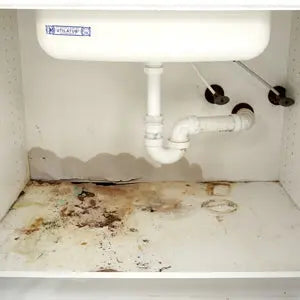
Melbourne Water Leak Detection After Plumbing Leaks: How to Prevent Future Damage
Plumbing leaks are one of the most common causes of water damage in Melbourne homes. While some leaks are obvious—such as a burst pipe or overflowing fixture—many develop slowly behind walls, beneath flooring, or inside ceilings. These hidden leaks can continue for weeks before being discovered, allowing moisture to spread and increasing the risk of structural damage and mold growth.
Water leak detection plays a key role in preventing long-term problems. By identifying moisture early and correcting the source of the leak, homeowners can avoid costly repairs and protect the condition of their homes.
What Happens After a Plumbing Leak
When a plumbing leak occurs, water rarely stays in one place. It spreads through porous materials such as drywall, insulation, and wood framing. Even small leaks can cause significant problems if moisture remains trapped.
After a plumbing leak, the most common issues include:
- Damp drywall or ceilings
- Warping or staining of flooring
- Musty odors
- Softened wood or trim
- Increased indoor humidity
In Melbourne’s warm, humid climate, moisture may take longer to dry, increasing the likelihood of mold growth if leaks are not addressed quickly.
Why Plumbing Leak Damage Is Common in Melbourne
Homes in Melbourne and nearby communities such as Palm Bay, West Melbourne, and Satellite Beach face environmental conditions that make water damage more likely to persist.
High humidity levels
Moist air slows the evaporation of water from building materials.
Frequent storms and heavy rainfall
Storms can place additional pressure on plumbing and drainage systems.
Attic and slab construction
Leaks in attic pipes or under slab foundations can go unnoticed for long periods.
Continuous air-conditioning use
AC systems can mask humidity changes, delaying the detection of moisture problems.
Because of these conditions, leak detection is often necessary even after small plumbing issues.
Early Signs of Hidden Plumbing Leaks
One of the most effective ways to prevent damage is to recognize early warning signs. Hidden leaks often produce subtle symptoms before visible water damage appears.
Common signs include:
- A musty or damp smell in certain rooms
- Unexplained increases in water bills
- Staining on ceilings or walls
- Peeling paint or bubbling drywall
- Flooring that feels slightly soft or uneven
These indicators often suggest moisture behind surfaces or beneath flooring.
Hidden Areas Where Water Often Collects
Plumbing leaks frequently affect areas that are not easily visible. Moisture may accumulate in:
- Wall cavities behind bathrooms or kitchens
- Under sinks or appliances
- Beneath flooring and subfloors
- Attic insulation near plumbing lines
- Around water heaters or laundry areas
Because these areas are concealed, professional moisture detection tools are often needed to determine the full extent of the damage.
Why DIY Leak Detection Often Misses the Problem
Homeowners sometimes try to locate leaks by checking visible pipes or looking for standing water. While this may help in obvious situations, slow leaks often remain hidden.
DIY detection may miss:
- Moisture behind drywall
- Minor leaks inside wall cavities
- Damp insulation or framing
- Small pipe cracks that leak intermittently
Without proper tools, it is difficult to confirm whether materials are fully dry or still retaining moisture.
How Professional Water Leak Detection Works
Professional leak detection focuses on locating both the source of the leak and areas affected by moisture. The process typically includes several steps.
Moisture Meter Testing
Meters measure moisture levels in drywall, flooring, and wood framing.
Thermal Imaging
Infrared cameras identify temperature differences that indicate hidden moisture.
Visual and Structural Inspection
Technicians inspect plumbing fixtures, pipe routes, and areas where leaks commonly occur.
Humidity Measurement
Indoor humidity levels are evaluated to determine whether conditions support mold growth.
Professionals familiar with Brevard County homes, including teams like Palm Bay Mold Removal, often use these methods to ensure that hidden moisture is located before repairs begin.
Repairing Damage After a Leak
Once the source of the leak is repaired, restoration focuses on drying and repairing affected materials. Depending on the severity of the damage, this may include:
- Removing and replacing damaged drywall
- Drying insulation and structural framing
- Repairing ceilings or flooring
- Replacing warped trim or baseboards
Proper drying is essential to prevent long-term problems such as mold growth or structural weakening.
The Role of Drying and Dehumidification
Drying is one of the most important steps after water damage. Even after visible water is removed, moisture may remain trapped in building materials.
Drying typically involves:
- Air movers to increase evaporation
- Dehumidifiers to remove moisture from the air
- Monitoring moisture levels until materials return to normal
In Melbourne’s humid environment, drying may take longer than homeowners expect, making professional equipment especially helpful.
HVAC Systems and Moisture Control
Air-conditioning systems play a major role in controlling humidity, but they can also be affected by plumbing leaks or excess moisture.
During inspections, technicians often check:
- Air ducts and insulation
- Condensation lines and drain pans
- Airflow and ventilation
- Filters and vents
Maintaining HVAC systems helps improve drying conditions and prevent moisture from spreading.
How to Prevent Future Plumbing Leak Damage
Preventive maintenance is one of the most effective ways to reduce the risk of future damage. Homeowners in Melbourne can take several practical steps:
- Inspect plumbing fixtures regularly
- Replace aging hoses and supply lines
- Check under sinks and around appliances periodically
- Monitor water bills for unexpected increases
- Schedule periodic moisture inspections
- Address small leaks immediately
Homes in nearby communities such as Merritt Island, Viera, and Rockledge often follow similar routines because regional climate conditions are consistent.
Why Local Experience Matters
Water leak detection in coastal Florida requires an understanding of humidity patterns, construction methods, and drying behavior common in Brevard County homes. Moisture may travel differently in slab foundations, attic spaces, and multi-story structures.
Professionals familiar with Melbourne homes understand:
- Where leaks most often occur
- How humidity affects drying times
- Which materials are most vulnerable
- How to prevent recurring moisture problems
Palm Bay Mold Removal and other experienced local providers often focus on identifying both the leak source and the full extent of moisture, helping homeowners achieve lasting results.
A Practical Approach for Homeowners
Plumbing leaks are common, but long-term damage is often preventable. Acting quickly, scheduling moisture detection, and ensuring proper drying can stop small problems from becoming major repairs.
For homeowners in Melbourne, paying attention to early warning signs—such as odors, stains, or humidity changes—can make a significant difference. With prompt leak detection and proper restoration, most water damage situations can be resolved efficiently and prevented from returning.