Indoor Air Quality Improvement in Palm Bay from AC Condensation: Early Signs You Should Not Ignore
In Palm Bay, air conditioning systems run for much of the year. They are essential for comfort, but they also produce condensation as they remove humidity from indoor air. When that condensation drains properly, it causes no issues. But when drainage slows, components become damp, or humidity builds up in ductwork or attics, indoor air quality can begin to decline—often before homeowners realize anything is wrong.
Recognizing early signs of moisture-related air quality problems helps prevent mold growth, structural damage, and long-term HVAC issues. With proper inspection and maintenance, most AC condensation problems can be resolved before they become serious.
What the Problem Really Is
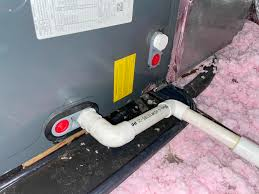
Air conditioners remove moisture from the air as part of the cooling process. That moisture collects in a drain pan and exits through a condensate line. When the system works correctly, humidity levels stay balanced and air remains comfortable.
However, when condensation cannot drain properly or moisture accumulates in ducts, ceilings, or attic insulation, it can affect:
- Air handlers and drain pans
- Duct insulation and vent connections
- Ceiling cavities near vents
- Attic areas around HVAC equipment
- Interior air circulation
Over time, damp surfaces can lead to musty odors, microbial growth, and reduced indoor air quality.
Why This Happens So Often in Palm Bay
Palm Bay and surrounding communities such as Melbourne, West Melbourne, and Rockledge experience environmental conditions that make condensation problems more likely.
High humidity year-round
Moist outdoor air increases the amount of condensation AC systems must remove.
Long cooling cycles
Air conditioners run for extended periods, increasing the volume of condensation produced.
Attic-installed HVAC systems
Many air handlers are located in attic spaces where heat and humidity accumulate.
Storm season and heavy rainfall
Outdoor humidity spikes after storms, placing additional strain on HVAC systems.
Because of these factors, even a small maintenance issue—like a partially clogged drain line—can affect indoor air quality over time.
Early Signs Homeowners Should Not Ignore
Indoor air quality problems caused by AC condensation often begin with subtle symptoms. These early warning signs are easy to overlook but important to recognize.
Common early signs include:
- Musty or damp odors when the AC runs
- Rooms that feel humid even while cooling
- Dust buildup that seems heavier or slightly damp
- Minor staining around ceiling vents
- Increased condensation on windows or metal surfaces
These symptoms often indicate excess moisture somewhere in the system or surrounding structure.
Hidden or Overlooked Moisture Sources
Condensation-related problems often develop in places homeowners rarely inspect. Moisture may collect in:
- Duct insulation in attic spaces
- Ceiling drywall around vents
- Air handler platforms or drain pans
- Return ducts pulling humid attic air
- Insulation near cooling coils
In Palm Bay homes, attic heat can slow drying and allow moisture to remain trapped longer than expected.
Why DIY Fixes Rarely Solve the Problem
Homeowners sometimes try to solve air quality problems by replacing filters or cleaning vents. While these steps are helpful, they rarely address deeper moisture issues.
DIY approaches often fall short because:
- Condensation lines may remain partially blocked
- Moisture behind drywall or insulation goes unnoticed
- Household tools cannot measure humidity levels accurately
- Underlying ventilation problems remain unresolved
Improving indoor air quality requires identifying the source of moisture and ensuring complete drying.
Professional Inspection and Moisture Detection
When condensation problems affect indoor air quality, inspection is usually the first step. A thorough evaluation focuses on locating moisture and assessing airflow.
A professional inspection may include:
Moisture detection
Meters and thermal imaging help locate damp areas in ceilings, ducts, and attic spaces.
HVAC system inspection
Air handlers, drain pans, and duct connections are examined for moisture buildup.
Humidity measurement
Indoor humidity levels are checked to determine whether conditions support mold growth.
Airflow evaluation
Restricted airflow or duct leaks that allow humid air to enter the system are identified.
Professionals familiar with Brevard County homes, including teams like Palm Bay Mold Removal, often combine these steps to identify both moisture sources and airflow issues.
The Process of Improving Indoor Air Quality
Once the source of condensation or moisture is identified, improvements typically follow a structured process.
Step 1: Correct the Moisture Source
Condensate drain lines are cleared, insulation is repaired, or ventilation issues are corrected.
Step 2: Dry Affected Areas
Dehumidifiers and air movers reduce moisture levels in surrounding materials.
Step 3: Clean HVAC Components
Accessible duct sections, vents, and air handler surfaces are cleaned to remove debris and moisture buildup.
Step 4: Replace Filters and Restore Airflow
New filters and airflow adjustments help ensure clean circulation.
Step 5: Verify Humidity Levels
Moisture readings confirm that indoor conditions have returned to safe levels.
This process helps restore indoor air quality while preventing recurring problems.
Flood Restoration and Water Damage Considerations
In some cases, AC condensation problems are discovered after minor flooding, roof leaks, or storm-related humidity spikes. Water intrusion can worsen condensation issues and affect nearby materials such as:
- Ceiling drywall
- Attic insulation
- Duct insulation
- Wood framing
Drying and repairing these materials is essential to prevent recurring moisture and air quality issues.
Air Ducts, AC Systems, and Mold Prevention
Air ducts play a major role in maintaining indoor air quality. When ducts are damp or restricted, airflow becomes less efficient and humidity levels can rise.
Regular inspection and cleaning help:
- Improve airflow throughout the home
- Reduce moisture buildup inside ducts
- Prevent persistent odors
- Support stable humidity levels
Many homeowners in Palm Bay and nearby areas like Satellite Beach and Titusville schedule periodic duct inspections to prevent long-term problems.
How to Prevent Condensation-Related Air Quality Issues
Preventive maintenance is the most effective way to maintain good indoor air quality.
Helpful steps include:
- Inspecting and flushing condensate lines regularly
- Scheduling annual HVAC maintenance
- Monitoring indoor humidity levels
- Ensuring attic ventilation is adequate
- Replacing air filters on schedule
- Checking ceilings and vents for early staining
These simple steps often prevent moisture issues from developing into larger problems.
Why Local Experience Matters
Indoor air quality improvement in coastal Florida requires an understanding of humidity patterns, attic heat, and construction methods common in Palm Bay homes. Drying times and moisture movement differ significantly from those in drier climates.
Professionals familiar with Palm Bay and surrounding communities such as Merritt Island, Viera, and Cocoa Beach understand:
- Where condensation problems most often occur
- How attic heat affects HVAC systems
- Which materials are most vulnerable to moisture
- How to prevent recurring humidity issues
Palm Bay Mold Removal and other experienced local providers focus on identifying both airflow and moisture conditions, helping homeowners achieve lasting improvements in indoor air quality.
A Calm, Practical Next Step
Indoor air quality problems rarely appear overnight. They usually develop gradually, beginning with small moisture issues that are easy to overlook. Acting early—when musty odors, humidity changes, or minor staining first appear—can prevent more serious damage.
For homeowners in Palm Bay, routine inspections, proper HVAC maintenance, and humidity control are the most effective ways to maintain clean, healthy indoor air. With consistent care and early detection, condensation-related problems can be corrected before they affect the comfort and condition of the home.