Cocoa Beach AC Mold Cleaning After Roof Leaks: Step-by-Step Process Explained
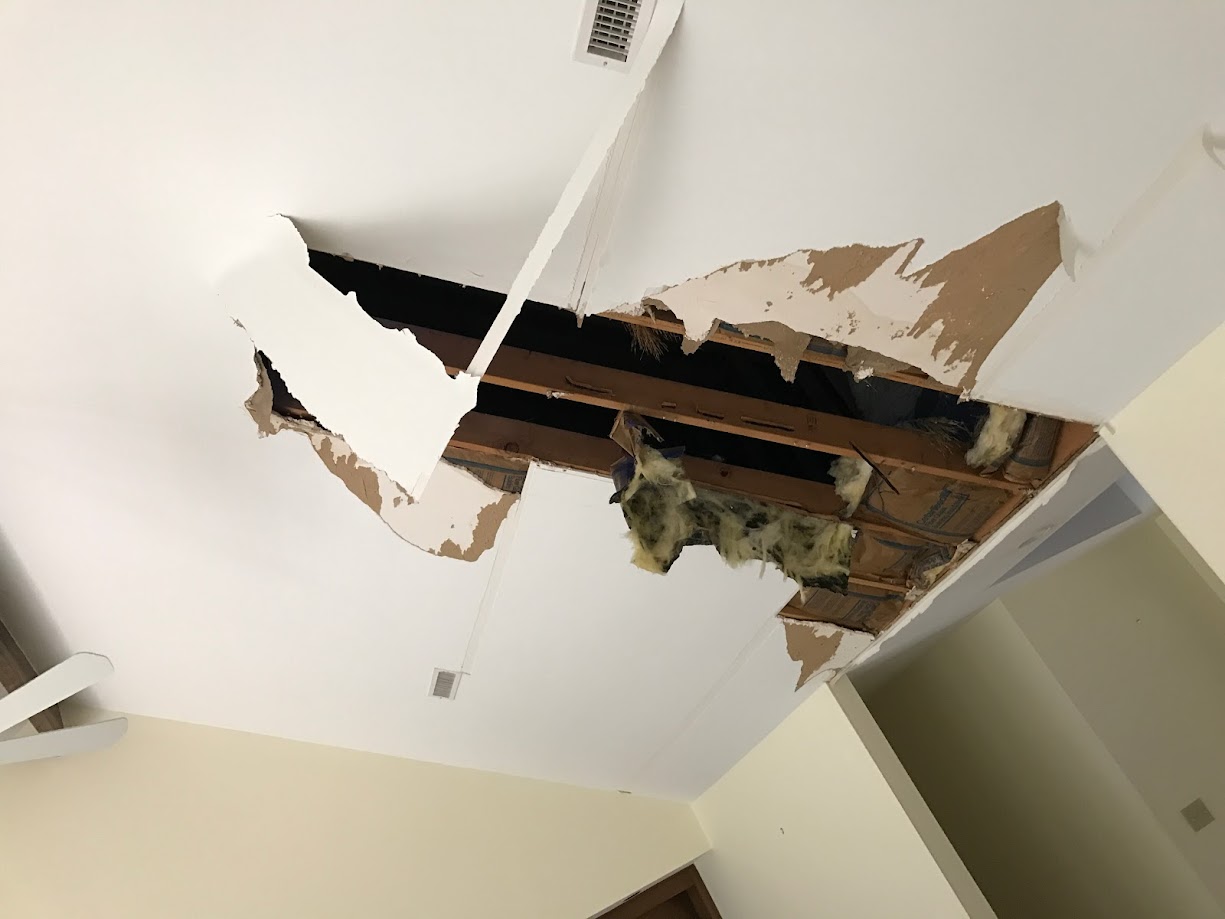
Roof leaks are a common issue in Cocoa Beach, especially after heavy rain, tropical storms, or prolonged humid weather. While most homeowners focus on repairing the roof itself, another area often affected is the air-conditioning system. When water enters attic spaces or ceiling cavities, moisture can settle on ductwork, insulation, and HVAC components. Over time, this trapped moisture can lead to mold growth inside or around the AC system.
Understanding the step-by-step process of AC mold cleaning after roof leaks helps homeowners act quickly, prevent future damage, and maintain a safe and comfortable indoor environment.
What Happens to AC Systems After Roof Leaks
Air-conditioning systems are especially vulnerable when a roof leak occurs because many units and duct systems are installed in attics or ceiling spaces. Water entering through roofing materials may not reach living areas immediately. Instead, it often collects around:
- Duct insulation
- Air handlers and platforms
- Ceiling cavities near vents
- Return ducts and plenums
Moisture trapped in these areas can remain for days or weeks, especially in Cocoa Beach’s humid climate, creating ideal conditions for mold growth.
Why This Happens So Often in Cocoa Beach
Homes in Cocoa Beach and nearby communities like Satellite Beach, Merritt Island, and Melbourne face environmental conditions that increase the likelihood of AC mold after roof leaks.
High humidity year-round
Moisture evaporates slowly, particularly in attic spaces.
Frequent storms and heavy rainfall
Wind-driven rain can enter small roof openings and travel along structural materials.
Attic heat and condensation
Warm attic air combined with moisture creates ideal conditions for mold.
Continuous AC operation
Air conditioners run for long periods, circulating humid air through ducts and vents.
Because of these factors, even minor roof leaks can lead to hidden moisture around HVAC systems.
Common Signs Homeowners Notice
AC mold problems after roof leaks often begin with subtle warning signs. Homeowners may notice:
- Musty odors when the AC runs
- Staining around ceiling vents
- Increased indoor humidity
- Reduced airflow in certain rooms
- Damp or discolored insulation in the attic
These signs indicate that moisture may still be present, even if the roof leak has been repaired.
Hidden or Overlooked Sources of Moisture
One of the biggest challenges in these situations is locating hidden moisture. Water rarely stays in one place and often spreads to areas that are difficult to see.
Common hidden moisture sources include:
- Inside duct insulation
- Around ceiling drywall near vents
- Beneath attic flooring or insulation
- Around return air ducts
- Inside wall cavities below the leak
Without proper inspection, these damp areas can remain unnoticed and continue to support mold growth.
Why DIY Cleaning Usually Fails
Some homeowners attempt to clean vents or wipe visible surfaces after noticing mold or odors. While this may remove surface debris, it rarely solves the underlying problem.
DIY cleaning often fails because:
- Moisture sources remain unresolved
- Mold inside ducts cannot be reached
- Household cleaners cannot fully disinfect HVAC components
- Humidity levels remain high
Effective cleaning requires identifying moisture sources and ensuring complete drying before cleaning begins.
Professional Mold Inspection and Testing Explained
The first step in AC mold cleaning is a detailed inspection. This process focuses on locating moisture and determining the extent of mold growth.
A thorough inspection typically includes:
Moisture Detection
Meters and thermal imaging tools help locate damp insulation, drywall, and ductwork.
HVAC System Inspection
Air handlers, duct connections, and condensation lines are evaluated.
Humidity Measurement
Indoor humidity levels are checked to determine whether conditions support mold growth.
Professionals familiar with Brevard County homes understand how coastal humidity affects drying and mold patterns. Palm Bay Mold Removal often performs detailed inspections to ensure hidden moisture is identified before cleaning begins.
Step-by-Step AC Mold Cleaning Process
Once inspection is complete and the moisture source is controlled, the cleaning and restoration process begins.
Step 1: Stop the Moisture Source
The roof leak must be repaired and any drainage or condensation issues corrected before cleaning starts.
Step 2: Isolate Affected Areas
Work areas may be contained to prevent debris or particles from spreading through the home.
Step 3: Remove Wet or Contaminated Materials
Damp insulation or severely affected materials may be removed to prevent ongoing moisture retention.
Step 4: Clean HVAC Components
Air handlers, duct surfaces, and accessible components are cleaned using specialized methods designed for HVAC systems.
Step 5: Dry the Structure
Air movers and dehumidifiers are used to reduce humidity and dry surrounding materials.
Step 6: Verify Moisture Levels
Moisture readings confirm that materials have dried to safe levels before repairs are completed.
This step-by-step approach helps prevent mold from returning after cleaning.
Flood Restoration and Water Damage Repair
Roof leaks often cause additional water damage beyond the HVAC system. Restoration may include:
- Repairing or replacing stained drywall
- Drying attic framing and roof decking
- Replacing damaged insulation
- Sealing gaps or improving drainage pathways
Proper repairs ensure that moisture does not remain trapped inside building materials.
Air Ducts, AC Systems, and Mold Prevention
Air ducts play a major role in airflow and humidity control. When ducts contain moisture or debris, airflow becomes restricted and humidity levels may rise.
Regular duct inspections and cleaning help:
- Improve airflow
- Reduce moisture buildup
- Prevent odors
- Maintain consistent indoor temperatures
Maintaining HVAC systems is one of the most effective ways to prevent mold after roof leaks.
How to Prevent Future AC Mold Problems
Homeowners in Cocoa Beach can reduce the risk of mold by following several preventive measures:
- Inspect roofs after major storms
- Schedule periodic attic inspections
- Keep condensation drain lines clear
- Replace HVAC filters regularly
- Monitor indoor humidity levels
- Address musty odors promptly
Homes in nearby areas such as Viera and Titusville often follow similar maintenance routines because climate conditions are consistent across the region.
Why Local Experience Matters
AC mold cleaning in coastal Florida requires an understanding of humidity patterns, storm behavior, and construction methods common in Brevard County homes. Drying times and moisture movement differ significantly from those in drier climates.
Professionals familiar with Cocoa Beach homes understand:
- Where roof leaks typically travel
- How attic heat affects moisture retention
- Which materials are most vulnerable
- How to prevent recurring mold issues
Palm Bay Mold Removal and other experienced local providers focus on both cleaning and moisture control, helping homeowners achieve long-lasting results.
A Practical Next Step for Homeowners
Roof leaks and AC mold problems can be stressful, but early action makes a significant difference. Prompt inspections, proper drying, and thorough cleaning help protect both indoor air quality and the structural condition of the home.
For homeowners in Cocoa Beach, the most effective approach is to address roof leaks immediately, inspect HVAC systems for moisture, and maintain proper humidity control. With the right steps, most mold problems can be resolved efficiently and prevented from returning.