
Carpet Cleaning After Flooding Services in Titusville After Hurricanes: Professional Tips for Property Owners
Hurricane season in Titusville brings intense rain, storm surge, and rising groundwater. When water enters a home, carpeted areas are often among the most heavily affected surfaces. What may initially appear to be a wet floor can quickly turn into a larger restoration issue if not addressed correctly.
Carpet cleaning after flooding is very different from standard cleaning. Hurricane-related water intrusion often involves extended exposure to moisture, high humidity, and sometimes contaminated water. In Titusville’s coastal climate, drying is slower, and the risk of long-term damage increases rapidly.
Understanding the proper steps after flooding helps property owners make informed decisions and avoid costly mistakes.
Why Hurricane Flooding Impacts Carpets So Severely
Carpet and padding are highly absorbent materials. When floodwater enters a room, it spreads quickly across the carpet surface and soaks into the cushioning beneath.
During hurricanes, water may come from multiple sources:
Wind-driven rain through damaged roofing
Overflowing gutters
Rising groundwater
Storm surge in low-lying areas
Window or door seal failures
Homes near the Indian River Lagoon or in lower elevations of Titusville are especially vulnerable.
Unlike tile or sealed flooring, carpet retains moisture deeply. High summer humidity slows evaporation, allowing dampness to linger inside fibers and padding.
The Critical First 24–48 Hours
Time is one of the most important factors in determining whether carpet can be saved.
Within the first 24 hours, water extraction should begin. Industrial extraction equipment removes large volumes of water quickly.
After 48 hours in Titusville’s humid environment, the risk of mold growth increases significantly. Padding saturated for extended periods becomes difficult to dry completely.
Immediate professional assessment determines whether cleaning and drying are feasible or if replacement is necessary.
Warning Signs Carpet May Not Be Salvageable
Not all flood-damaged carpet can be restored safely.
Carpet replacement may be recommended if:
Water remained for an extended period
Floodwater was contaminated
Strong odors persist after drying
Carpet backing separates from fibers
Subfloor damage is present
Hurricane floodwater can carry debris and contaminants. In these cases, safety considerations often outweigh attempts at restoration.
Homes in nearby Merritt Island and Rockledge face similar conditions after hurricanes, particularly in flood-prone neighborhoods.
Professional Carpet Cleaning and Restoration Process
Carpet cleaning after hurricane flooding follows a structured process.
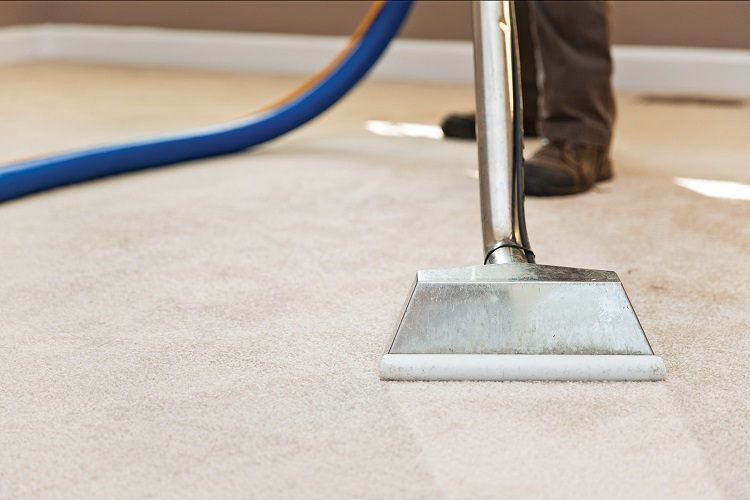
The first step is thorough water extraction using commercial-grade equipment. This removes water from both carpet fibers and padding.
Moisture meters are used to evaluate dampness levels in padding and subfloor materials. If padding is fully saturated, it is often removed and replaced.
High-powered air movers are positioned to create airflow across the carpet surface. Commercial dehumidifiers reduce ambient humidity to accelerate drying.
Throughout the process, moisture readings are taken to ensure materials return to safe levels.
Palm Bay Mold Removal frequently emphasizes that drying beneath the carpet is just as important as cleaning the surface.
Subfloor and Structural Considerations
Carpet rests directly on the subfloor, which may be wood or concrete.
Wood subfloors absorb water quickly and can swell if not dried properly. Concrete slabs may retain moisture internally even when the surface feels dry.
If subfloor moisture is not addressed before reinstalling carpet, mold growth may occur beneath the flooring.
Professional moisture testing ensures the underlying structure is stable before new padding or carpet is installed.
Odor Removal and Indoor Air Quality
Musty odors are common after hurricane flooding. Even when visible water is removed, lingering moisture can create persistent smells.
Professional restoration may include targeted cleaning treatments designed to address contamination when appropriate.
Ventilation and humidity control play a key role in eliminating odors. Air circulation helps remove damp air from the home.
If odors continue despite drying efforts, hidden moisture may still be present inside walls or beneath flooring.
HVAC Systems and Post-Flood Drying
Air conditioning systems operate continuously during Florida summers. After flooding, HVAC systems should be inspected to ensure they are not contributing to moisture issues.
Clogged condensate drain lines can overflow and cause additional water damage. Air filters should be replaced following flood events.
Maintaining indoor humidity below 60 percent helps prevent secondary mold growth during restoration.
Proper airflow improves drying efficiency throughout the home.
Preventing Future Carpet Damage
While hurricanes cannot be controlled, preventative steps reduce potential damage.
Maintain roofing and flashing systems.
Seal windows and doors regularly.
Ensure gutters direct water away from the foundation.
Consider water-resistant padding in flood-prone areas.
Elevate furnishings in vulnerable rooms.
Some homeowners in Titusville choose to replace lower-level carpet with moisture-resistant flooring materials in high-risk areas.
Preparation before storm season can significantly reduce restoration costs afterward.
When to Contact Professional Services
Property owners should seek professional assistance when:
Water covers a large carpeted area
Floodwater source is uncertain
Odors remain after initial drying
Subfloor moisture is suspected
Humidity levels remain elevated
Delaying action increases the likelihood of mold development and structural deterioration.
Early professional evaluation helps determine the safest and most cost-effective path forward.
Why Local Experience Matters
Hurricane flooding patterns in Titusville differ from inland Florida communities. Lagoon proximity, high groundwater levels, and storm surge potential create complex moisture challenges.
Local professionals understand common construction methods used in Brevard County homes. They recognize how moisture behaves in slab foundations and raised flooring systems.
Palm Bay Mold Removal has worked extensively in Titusville and surrounding coastal communities, applying drying strategies tailored to local environmental conditions.
Protecting Your Home After a Hurricane
Carpet cleaning after flooding is not simply a cleaning task. It is part of a comprehensive restoration process focused on moisture control and structural protection.
In Titusville’s humid climate, early response is essential. Proper extraction, drying, and inspection prevent long-term damage and recurring issues.
By recognizing warning signs and acting promptly, property owners can restore stability to their homes and reduce the impact of hurricane-related flooding.
Taking preventative measures before storm season and addressing moisture quickly afterward protects both flooring and overall property value.