Flood Restoration in Titusville in Coastal Homes: Step-by-Step Process Explained
Flooding is a recurring concern for coastal homes in Titusville. Heavy rains, tropical storms, high tides, and occasional hurricanes can all introduce water into residential properties. Even minor flooding can cause serious damage if moisture remains trapped in flooring, walls, or structural materials.
For homeowners, understanding how flood restoration works—and what steps are involved—helps reduce stress and ensures the home is restored properly. The restoration process is designed not only to remove water but also to prevent mold growth, structural damage, and long-term moisture problems.
What Flood Damage Means in Coastal Homes
When water enters a home, it rarely stays confined to one area. Carpets, drywall, insulation, and wood framing absorb moisture quickly. In coastal environments like Titusville, high humidity slows drying, allowing moisture to linger longer than many homeowners expect.
Flood damage may affect:
- Flooring and subfloors
- Baseboards and drywall
- Cabinets and built-ins
- Attic insulation
- Air ducts and HVAC components
Even after visible water is removed, hidden moisture can remain behind surfaces.
Why Flooding Is Common in Titusville Coastal Areas
Homes in Titusville and nearby areas such as Merritt Island, Cocoa Beach, and Satellite Beach face environmental conditions that increase the likelihood of flooding.
Frequent storms and heavy rainfall
Seasonal weather systems can overwhelm drainage and roofing systems.
High humidity levels
Moisture evaporates slowly, extending drying time after flooding.
Low-lying terrain and coastal exposure
Some neighborhoods are more vulnerable to water intrusion during heavy rain or storm surge.
Attic and ventilation challenges
Warm, humid air trapped in attics slows drying and increases moisture retention.
These factors make thorough restoration essential after any water intrusion.
Common Signs That Flood Damage Is Still Present
Homeowners sometimes assume the problem is resolved once standing water is gone. However, signs of remaining moisture often appear later.
Typical warning signs include:
- Musty or damp odors
- Warping or swelling of flooring
- Peeling paint or bubbling drywall
- Increased indoor humidity
- Persistent dampness in certain rooms
These symptoms often indicate hidden moisture inside building materials.
Hidden or Overlooked Sources of Moisture
One of the biggest challenges after flooding is identifying where moisture remains. Water often spreads through materials and collects in areas that are difficult to inspect.
Common hidden areas include:
- Beneath flooring or carpet padding
- Inside wall cavities
- Around air ducts
- Inside attic insulation
- Behind cabinets or appliances
Without proper inspection, these damp areas may remain unnoticed for weeks.
Why DIY Drying Usually Falls Short
Homeowners often use fans or household equipment to dry flooded areas. While this helps with surface moisture, it rarely removes deep moisture trapped in structural materials.
DIY drying often falls short because:
- Household equipment cannot extract deep moisture
- Humidity remains high indoors
- Moisture behind walls cannot be detected
- Drying may be uneven or incomplete
Proper restoration requires specialized tools designed to measure and remove hidden moisture.
Step-by-Step Flood Restoration Process
Flood restoration follows a structured process to ensure complete drying and safe recovery. Each step is important for preventing long-term damage.
Step 1: Inspection and Moisture Detection
The process begins with a detailed inspection. Moisture meters and thermal imaging tools help locate hidden damp areas and determine how far water has spread.
Step 2: Water Removal and Extraction
Standing water is removed using high-capacity extraction equipment. This step prevents further absorption into flooring and walls.
Step 3: Structural Drying
Air movers and dehumidifiers are placed strategically to dry floors, walls, and framing. Drying may take several days depending on humidity levels.
Step 4: Cleaning and Sanitizing
Floodwater often carries contaminants. Cleaning removes residues and helps prevent odors and microbial growth.
Step 5: Repairs and Restoration
Damaged materials such as drywall, insulation, or flooring may be repaired or replaced.
Step 6: Final Moisture Verification
Technicians confirm that moisture levels have returned to safe ranges before restoration is considered complete.
Companies such as Palm Bay Mold Removal often use detailed moisture mapping during this process to ensure no hidden damp areas remain.
Flood Restoration and Mold Prevention
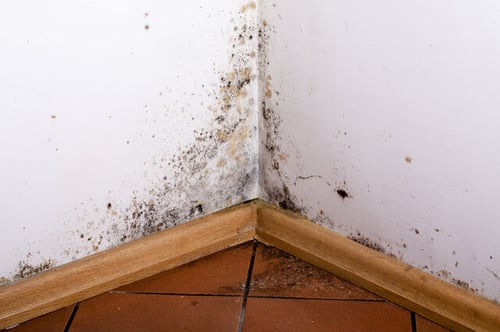
Mold growth is one of the biggest risks after flooding, especially in humid climates like Titusville. Mold can begin developing within a few days when materials remain damp.
Flood restoration helps prevent mold by:
- Removing water quickly
- Drying materials thoroughly
- Reducing indoor humidity
- Identifying hidden moisture early
Early action significantly reduces the likelihood of mold remediation later.
Air Ducts, AC Systems, and Flooding
Flooding and high humidity can affect HVAC systems, particularly when ducts run through attic spaces.
Technicians often inspect:
- Duct insulation
- Air handlers
- Condensation lines
- Vent airflow
Cleaning and drying duct systems helps restore airflow and prevent moisture circulation inside the home.
How to Prevent Future Flood Damage
While flooding cannot always be avoided, homeowners in Titusville can reduce the risk of long-term damage by taking preventive steps:
- Inspect roofs and flashing regularly
- Keep gutters and drainage systems clear
- Seal gaps around windows and doors
- Use dehumidifiers after storms
- Schedule moisture inspections after heavy rain
Homes in nearby areas such as Viera and Rockledge often follow similar routines to manage humidity and storm-related moisture.
Why Local Experience Matters
Flood restoration in coastal Florida requires an understanding of local weather patterns, building materials, and humidity behavior. Drying times and moisture movement differ significantly from those in drier regions.
Professionals familiar with Titusville homes understand:
- Where moisture tends to accumulate
- How attic heat affects drying
- Which materials are most vulnerable
- How to prevent recurring moisture issues
Palm Bay Mold Removal and other experienced local providers focus on both drying and identifying moisture sources, helping homeowners achieve lasting results.
A Calm, Practical Next Step
Flooding can be stressful, but proper restoration makes a significant difference. Acting quickly, scheduling inspections, and ensuring complete drying are the most effective ways to protect a home after water intrusion.
For homeowners in Titusville, the key is early action. Prompt restoration, humidity control, and regular maintenance help ensure coastal homes remain safe, comfortable, and structurally sound even after severe weather.