Palm Bay Flood Restoration from AC Condensation: Complete Guide for Homeowners
Air conditioning systems are essential in Palm Bay, where warm temperatures and high humidity last most of the year. While AC units help keep homes comfortable, they can also become a source of water damage when condensation is not draining properly. Over time, excess moisture from clogged drain lines, frozen coils, or poor insulation can accumulate and lead to flooding, especially in attics, closets, or areas around air handlers.
Flood restoration related to AC condensation is often overlooked because the damage develops slowly. Understanding how condensation leads to water damage, how restoration works, and how to prevent future problems can help homeowners protect their property.
How AC Condensation Causes Water Damage
Air conditioning systems remove humidity from indoor air. The moisture collects as condensation and is normally carried away through a drain line. When this system works properly, condensation is harmless. However, if the drain line clogs or the pan overflows, water can accumulate and spread.
Condensation-related water damage often affects:
- Ceilings beneath attic air handlers
- Closet floors where indoor units are located
- Drywall and insulation
- Wood framing and subfloors
- Carpet and flooring near HVAC units
Because the water accumulates gradually, homeowners may not notice the issue until visible damage appears.
Why Condensation Problems Are Common in Palm Bay
Several local conditions make AC-related moisture problems more likely in Palm Bay and nearby communities such as Melbourne, Viera, and Merritt Island.
High humidity levels
Air conditioning systems work harder in humid climates, producing more condensation.
Continuous AC operation
Units often run for long periods, increasing the risk of drain line clogs or overflow.
Attic installations
Many air handlers are located in attics, where heat and humidity accelerate condensation issues.
Storm-related humidity spikes
Heavy rain and storms increase indoor moisture, putting additional strain on HVAC systems.
These factors mean even a small maintenance issue can lead to water damage over time.
Signs of Water Damage from AC Condensation
Condensation problems often begin subtly. Homeowners may notice:
- Water stains on ceilings
- Damp or musty odors near vents or closets
- Peeling paint or bubbling drywall
- Warped flooring near HVAC units
- Dripping or pooling water near the air handler
These signs should not be ignored, as they often indicate moisture inside structural materials.
Hidden Moisture That Homeowners Often Miss
One of the biggest challenges with condensation-related flooding is that moisture often spreads beyond the visible area.
Hidden moisture may be found in:
- Attic insulation around the air handler
- Drywall behind ceiling stains
- Subfloors beneath damp carpet
- Duct insulation near cooling coils
- Structural framing around HVAC units
Without proper inspection, these damp areas may remain unnoticed and lead to mold growth or structural weakening.
Why DIY Cleanup Is Usually Not Enough
Homeowners sometimes wipe up visible water or place a fan near the affected area, but this usually addresses only the surface.
DIY cleanup often fails because:
- Moisture inside drywall and insulation remains
- Humidity levels stay elevated
- Mold can begin growing in hidden areas
- The root cause of the condensation problem is not corrected
Flood restoration focuses on complete drying and moisture control, not just surface cleanup.
How Professional Flood Restoration Works
Restoration professionals follow a structured process to ensure that both the water damage and the source of moisture are addressed.
Inspection and Moisture Detection
Technicians measure moisture levels in ceilings, walls, and flooring to determine how far water has spread.
Water Extraction and Drying
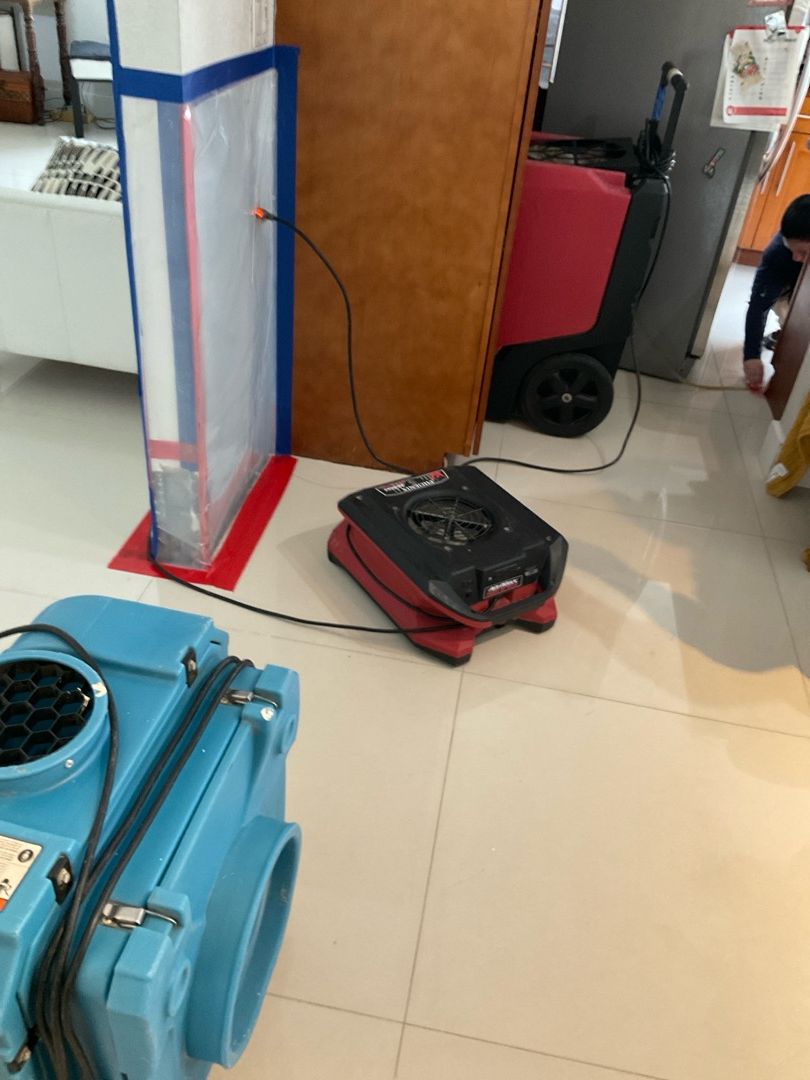
Air movers and dehumidifiers remove trapped moisture and reduce indoor humidity.
Cleaning and Sanitizing
Affected areas are cleaned to prevent odors and microbial growth.
Repair and Restoration
Damaged drywall, insulation, or flooring may be repaired or replaced.
Final Moisture Verification
Moisture readings confirm that materials have dried completely.
Companies such as Palm Bay Mold Removal often combine restoration with moisture mapping to ensure hidden damp areas are properly treated.
The Connection Between Condensation and Mold
Condensation-related flooding creates ideal conditions for mold growth. Mold spores are always present in indoor air, but they require moisture to grow. Damp drywall, insulation, and wood framing provide perfect surfaces for mold when humidity remains high.
Early restoration helps prevent:
- Mold growth in ceilings or attics
- Musty odors
- Structural damage
- Indoor air quality problems
In many Palm Bay homes, prompt drying prevents the need for extensive mold remediation later.
HVAC Systems and Air Duct Considerations
When condensation problems occur, it is important to inspect the HVAC system thoroughly. Moisture may also affect:
- Duct insulation
- Air handlers and drip pans
- Condensation lines
- Vent airflow
Cleaning ducts and ensuring proper drainage can help restore airflow and reduce humidity throughout the home.
Practical Steps to Prevent Future AC Condensation Damage
Preventive maintenance is the most effective way to avoid water damage from AC systems. Homeowners in Palm Bay can reduce risk by:
- Cleaning and flushing AC drain lines regularly
- Scheduling annual HVAC maintenance
- Checking drip pans for standing water
- Ensuring attic insulation and ductwork are in good condition
- Monitoring indoor humidity levels
- Inspecting ceilings and closets periodically
Homes in nearby areas like Rockledge and Satellite Beach often follow similar maintenance routines because regional humidity levels are consistent.
Why Local Experience Matters
Flood restoration caused by AC condensation requires an understanding of Florida’s climate and construction methods. High humidity, attic heat, and continuous AC operation create unique conditions that influence moisture behavior.
Professionals familiar with Palm Bay homes understand:
- Where condensation problems are most likely to occur
- How attic heat affects moisture buildup
- How long drying typically takes in humid environments
- How to prevent recurring issues
Palm Bay Mold Removal and other experienced local providers focus on identifying the source of moisture as well as restoring affected materials, helping homeowners avoid repeat damage.
A Practical Approach for Homeowners
Water damage caused by AC condensation is often preventable when maintenance and inspections are performed regularly. Acting quickly at the first sign of moisture—whether it is a ceiling stain, damp odor, or dripping near an air handler—can prevent small issues from becoming larger repairs.
For homeowners in Palm Bay, scheduling periodic HVAC inspections, monitoring humidity levels, and addressing condensation problems early are the most effective ways to protect the home. With prompt restoration and proper maintenance, homes can remain dry, comfortable, and well protected even in Florida’s humid climate.