Mold Testing in Viera After Roof Leaks: Professional Tips for Property Owners
Roof leaks are one of the most common causes of hidden moisture problems in homes throughout Viera. Even a small leak can allow water to seep into attic insulation, ceiling materials, and wall cavities. Over time, this trapped moisture can create conditions that support mold growth, often long before visible signs appear.
Mold testing helps property owners understand whether mold is present, how far moisture has spread, and what steps should be taken to prevent long-term damage. For homeowners in Viera and nearby Brevard County communities, early testing is often the key to avoiding costly repairs later.
Why Roof Leaks Often Lead to Mold Problems
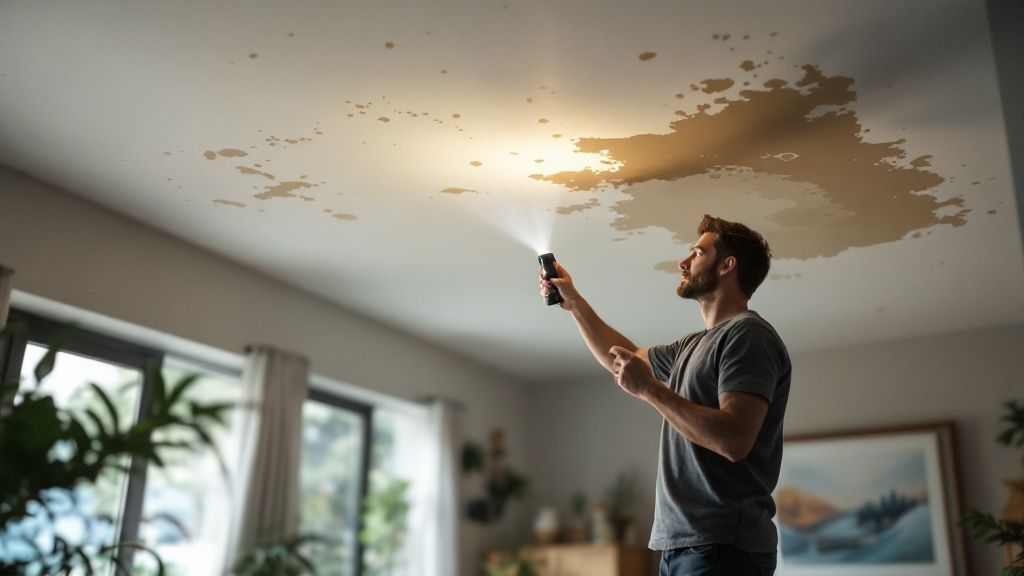
When water enters through a roof, it rarely stays in one place. It can travel along rafters, insulation, and drywall before becoming visible. By the time a ceiling stain appears, moisture may already be present in multiple areas.
Mold can begin to grow on:
- Roof decking and rafters
- Insulation in attic spaces
- Ceiling drywall
- Wood framing
- Carpet or flooring beneath leaks
Because Florida’s warm climate and high humidity slow drying, damp materials may remain wet long enough for mold to develop.
Why Homes in Viera Are Especially Vulnerable
Several local conditions increase the risk of mold growth after roof leaks in Viera and nearby areas such as Melbourne, Rockledge, and Satellite Beach.
Frequent storms and heavy rain
Seasonal storms place stress on roofing materials and flashing.
High humidity year-round
Moisture evaporates slowly, especially in attic spaces.
Air conditioning systems running continuously
AC systems regulate temperature but may not remove deep structural moisture quickly.
Attic heat buildup
Warm air rises and traps humidity in roof spaces, slowing drying after leaks.
These environmental factors make thorough inspection and testing especially important after any roof-related water intrusion.
Early Signs That Mold Testing May Be Needed
Property owners often notice subtle warning signs before mold becomes visible. These may include:
- Musty or damp odors
- Discoloration on ceilings or walls
- Peeling paint or bubbling drywall
- Warped trim near ceilings
- Increased indoor humidity
Even minor signs can indicate hidden moisture, which is why mold testing is often recommended after any roof leak.
Hidden Areas Where Mold Can Develop
Mold frequently forms in areas that are not easily visible, especially after roof leaks. Common locations include:
- Inside attic insulation
- Behind ceiling drywall
- Around recessed lighting or vents
- Inside wall cavities below the leak
- Along roof decking and rafters
In many Viera homes, mold growth in attic spaces goes unnoticed for months because these areas are rarely inspected.
Why DIY Mold Checks Often Miss the Problem
Homeowners sometimes inspect ceilings or wipe visible spots, but mold problems are often deeper than they appear.
DIY inspections may miss:
- Moisture trapped behind drywall
- Damp insulation in attic spaces
- Mold growth on roof decking
- Humidity pockets inside enclosed areas
Without professional tools, it is difficult to determine whether structural materials have fully dried.
How Professional Mold Testing Works
Professional mold testing is designed to locate hidden moisture and confirm whether mold growth is present. The process usually involves several steps.
Visual Inspection
Technicians examine ceilings, attics, and areas near known leaks.
Moisture Detection
Moisture meters and thermal imaging tools help locate damp areas behind surfaces.
Air Sampling
Indoor air samples may be compared with outdoor samples to determine whether mold spore levels are elevated.
Surface Sampling
If visible mold is present, samples may be taken to identify the type and extent of growth.
Companies such as Palm Bay Mold Removal often perform comprehensive inspections in Brevard County homes, helping property owners understand the full extent of moisture problems.
Understanding Mold Testing Results
Testing results typically provide information about:
- Types of mold spores detected
- Concentration levels
- Areas of concern
- Recommended next steps
These results help property owners decide whether remediation, drying, or repairs are necessary. In many cases, addressing the moisture source is the most important step.
The Role of Drying and Water Damage Repair
Mold testing often reveals that structural materials remain damp after a roof leak. Proper drying may involve:
- Using air movers to increase airflow
- Running dehumidifiers to remove moisture
- Removing saturated insulation
- Repairing damaged drywall or ceiling materials
Thorough drying helps prevent mold from returning after repairs are completed.
HVAC Systems, Air Ducts, and Roof Leak Moisture
Roof leaks sometimes affect HVAC components, especially when ductwork runs through attic spaces. Moisture can dampen duct insulation or increase humidity levels throughout the home.
Technicians often inspect:
- Duct insulation
- Air handlers
- Condensation lines
- Vent airflow
Maintaining HVAC systems and scheduling periodic air duct cleaning can help reduce humidity and improve airflow after water intrusion.
Professional Tips to Prevent Mold After Roof Leaks
Property owners in Viera can reduce the risk of mold growth by taking several practical steps.
Inspect the roof after storms
Small leaks are easier to repair when caught early.
Repair leaks immediately
Even minor leaks can lead to mold within days in humid climates.
Check attics regularly
Early detection of damp insulation or staining helps prevent larger problems.
Monitor indoor humidity
Keeping humidity below 60% reduces mold risk.
Schedule periodic moisture inspections
Routine checks help identify hidden damp areas before mold develops.
Homes in nearby communities like Merritt Island and Titusville often follow similar preventive routines because regional weather patterns are consistent.
Why Local Experience Matters
Mold testing in coastal Florida requires an understanding of local weather, building materials, and humidity patterns. Professionals familiar with Viera homes know where moisture commonly accumulates and how long drying typically takes.
Local experience helps technicians:
- Identify hidden moisture more quickly
- Recommend drying methods suited to humid climates
- Prevent recurring mold problems
- Provide practical repair guidance
Palm Bay Mold Removal and other experienced local providers focus on identifying both mold and the moisture that caused it, helping property owners achieve lasting results.
A Practical Next Step for Property Owners
Roof leaks are common, but serious mold damage is often preventable. Mold testing provides clear information about the condition of a home and helps guide effective repairs.
For property owners in Viera, scheduling mold testing after roof leaks, maintaining ventilation, and addressing moisture promptly are some of the most effective ways to protect a home. With early detection and proper maintenance, most mold problems can be managed before they become major structural repairs.