How Moisture Detection Helps Homes in Palm Bay After Water Damage
Water damage is a common issue for homeowners in Palm Bay. Heavy rain, plumbing leaks, hurricanes, and air conditioning problems can all introduce moisture into a home. While standing water is usually removed quickly, hidden moisture often remains inside walls, flooring, and structural materials. This is where moisture detection becomes essential.
Moisture detection helps identify damp areas that are not visible, allowing homeowners to address problems early and prevent long-term damage.
What Happens After Water Damage
When water enters a home, it spreads quickly through porous materials. Drywall, wood, insulation, and carpet all absorb moisture easily. Even after surfaces feel dry, moisture can remain trapped inside these materials.
If not properly detected and dried, this hidden moisture can lead to:
- Mold growth
- Structural deterioration
- Odors and indoor air quality issues
- Warped flooring or damaged drywall
In Palm Bay’s humid climate, moisture tends to linger longer, increasing the risk of these problems.
Why Water Damage Is Common in Palm Bay Homes
Homes in Palm Bay and nearby areas like Melbourne, Viera, and Merritt Island experience environmental conditions that make water damage more likely.
Frequent storms and heavy rain
Seasonal storms can overwhelm drainage systems or cause roof leaks.
High humidity levels
Moisture evaporates more slowly, allowing damp materials to remain wet longer.
Air conditioning condensation
Improper drainage or insulation around AC systems can create hidden damp areas.
Coastal climate influences
Salt air and humidity can gradually weaken building materials and seals.
These factors make moisture detection especially important after any water intrusion.
Signs That Hidden Moisture May Be Present
After water damage, homeowners sometimes notice subtle warning signs that indicate moisture may still be trapped inside the home.
Common signs include:
- Musty or damp odors
- Peeling paint or bubbling drywall
- Warped baseboards or flooring
- Increased indoor humidity
- Persistent dampness in certain rooms
However, moisture can remain hidden even when none of these signs are visible, which is why inspections are often recommended.
Hidden Areas Where Moisture Often Remains
Water does not always stay where it first appears. It can travel through structural materials and accumulate in unexpected areas.
Common hidden locations include:
- Inside wall cavities
- Beneath flooring or carpet padding
- Inside attic insulation
- Behind cabinets or appliances
- Around air ducts and vents
In many Palm Bay homes, attic spaces and subfloors are particularly vulnerable because airflow is limited and drying takes longer.
Why DIY Methods Often Miss the Problem
Many homeowners use fans, towels, or household equipment to dry areas after water damage. While these steps may remove surface moisture, they rarely address deeper issues.
DIY methods often fall short because:
- Moisture behind walls cannot be detected visually
- Household tools do not measure moisture levels
- Damp insulation and framing remain wet
- Humidity inside enclosed spaces remains high
Without proper detection, hidden moisture can remain for weeks or months.
How Professional Moisture Detection Works
Professional moisture detection uses specialized tools to locate damp areas quickly and accurately.
The process usually includes:
Moisture Meter Testing
Meters measure moisture levels in drywall, wood, and flooring.
Thermal Imaging
Infrared cameras detect temperature differences that may indicate moisture behind surfaces.
Humidity Measurement
Technicians evaluate indoor humidity to determine whether conditions support mold growth.
Attic and Structural Inspection
Areas prone to moisture accumulation are carefully examined.
Companies such as Palm Bay Mold Removal often perform detailed moisture mapping, helping homeowners understand how far water has spread and what drying steps are needed.
The Role of Moisture Detection in Preventing Mold
Mold requires moisture to grow. By locating damp areas early, moisture detection helps prevent mold from developing in hidden spaces.
Early detection allows for:
- Faster drying
- Reduced risk of mold growth
- Less structural damage
- Lower restoration costs
In many cases, identifying moisture early prevents the need for extensive mold remediation later.
Drying and Water Damage Restoration
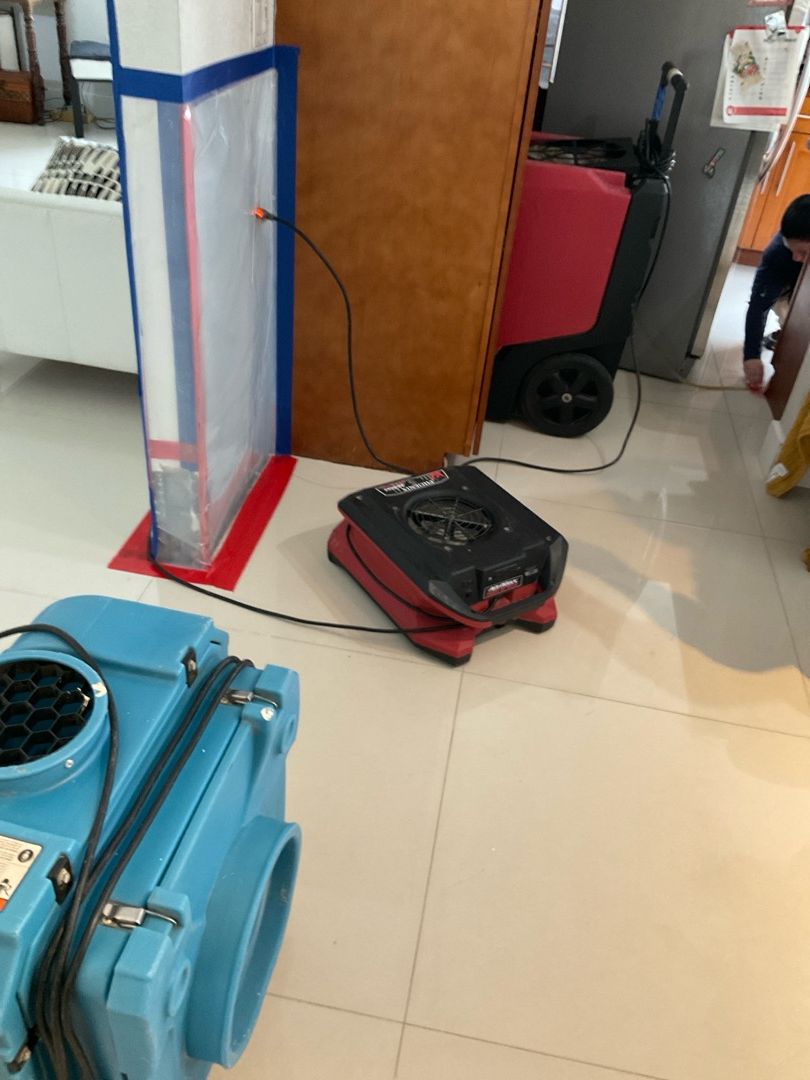
Once moisture is detected, drying becomes the priority. Proper drying methods may include:
- Industrial air movers to increase airflow
- Dehumidifiers to remove moisture from the air
- Removal of saturated materials when necessary
- Monitoring moisture levels until safe ranges are reached
Thorough drying ensures that moisture does not remain trapped inside building materials.
HVAC Systems and Moisture After Water Damage
Air conditioning systems play a major role in humidity control, but they can also be affected by water damage.
Technicians often inspect:
- Duct insulation
- Air handlers located in attic spaces
- Condensation lines
- Vent airflow
Moisture inside ducts can circulate humid air throughout the home, slowing the drying process and affecting indoor air quality.
How Homeowners Can Prevent Future Moisture Problems
Preventive maintenance is one of the most effective ways to reduce the risk of water damage and hidden moisture.
Homeowners in Palm Bay often benefit from:
- Inspecting roofs and flashing regularly
- Keeping gutters and drainage systems clear
- Repairing leaks promptly
- Monitoring indoor humidity levels
- Scheduling periodic moisture inspections
Homes in nearby communities such as Rockledge and Satellite Beach often follow similar routines to manage humidity and storm-related moisture.
Why Local Experience Matters
Moisture behavior in coastal Florida homes differs from that in drier regions. High humidity, frequent storms, and warm temperatures affect drying times and moisture movement.
Professionals familiar with Palm Bay conditions understand:
- Where moisture is most likely to accumulate
- How long drying typically takes in humid climates
- Which materials are most vulnerable
- How to prevent recurring problems
Palm Bay Mold Removal and other experienced local providers focus on identifying the source of moisture as well as drying affected areas, helping homeowners avoid repeat issues.
A Practical Approach After Water Damage
Water damage can be stressful, but moisture detection provides clarity and helps guide the restoration process. Identifying hidden dampness, drying materials thoroughly, and maintaining proper humidity levels are the most effective ways to protect a home.
For homeowners in Palm Bay, taking prompt action after leaks or flooding—inspecting affected areas, scheduling moisture detection, and ensuring complete drying—can prevent long-term structural damage and mold growth. With early detection and proper care, most homes can recover fully and remain safe and comfortable.