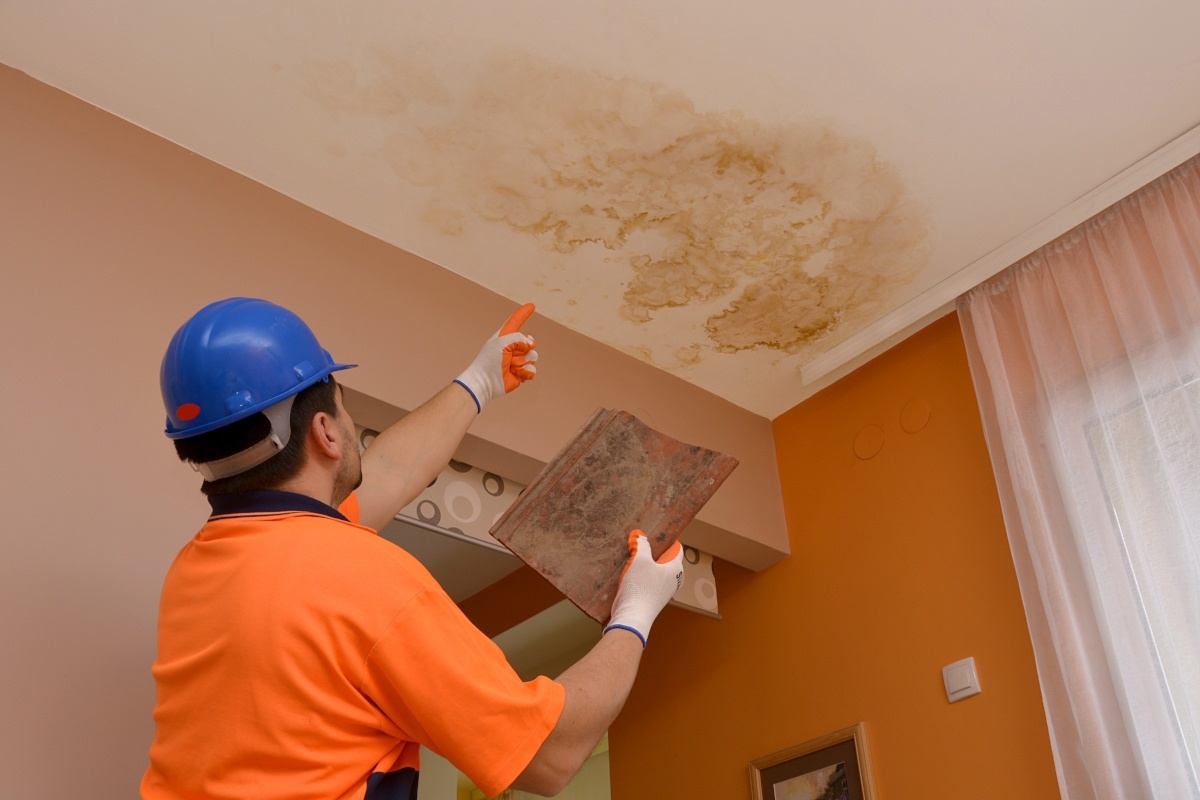
Titusville Mold Removal During Rainy Season: Inspection and Repair Guide
The rainy season in Titusville brings welcome relief from heat, but it also creates conditions that increase the risk of mold growth in residential homes. Frequent rain, elevated humidity, and occasional storms can introduce moisture into roofs, walls, and crawl spaces. Even small leaks or damp areas can lead to mold when moisture remains trapped for long periods.
Understanding how mold develops during the rainy season, how inspections work, and what repairs may be necessary helps homeowners protect their property and avoid larger problems later.
Why Mold Becomes More Common During the Rainy Season
Mold thrives in warm, humid environments, and the rainy season in Brevard County provides exactly those conditions. Homes in Titusville, Merritt Island, and nearby coastal communities often experience:
- Continuous high humidity
- Repeated rainstorms that keep materials damp
- Slower drying times indoors
- Roof leaks or minor water intrusion
Even homes that appear dry on the surface may have hidden moisture in attic insulation, drywall, or flooring after prolonged rainy periods.
How Mold Problems Usually Begin
Mold rarely appears suddenly. In most cases, it develops gradually after moisture accumulates in hidden areas. Common starting points include:
- Small roof leaks that go unnoticed
- Condensation around air conditioning ducts
- Plumbing leaks behind walls
- Poor ventilation in bathrooms or attics
During the rainy season, these small issues are more likely to persist because humidity prevents materials from drying quickly.
Signs Homeowners Should Watch For
Early detection makes mold removal much easier. Homeowners in Titusville often notice subtle signs before mold becomes visible.
Typical warning signs include:
- Musty or damp odors
- Discoloration on ceilings or walls
- Peeling paint or bubbling drywall
- Warped baseboards or flooring
- Increased indoor humidity
These symptoms may appear gradually, especially when moisture levels remain elevated for weeks.
Hidden Areas Where Mold Often Develops
Mold frequently grows in places that are rarely inspected. During the rainy season, moisture can accumulate in:
- Attic insulation and roof decking
- Behind drywall in exterior walls
- Under carpets or flooring
- Inside closets or storage areas
- Around air ducts and vents
Attics in Titusville homes are particularly vulnerable because warm air rises, carrying humidity into enclosed roof spaces.
Why DIY Mold Removal Often Fails
Many homeowners attempt to clean mold using household products, but this usually removes only surface growth.
DIY methods often fall short because:
- Moisture sources remain unresolved
- Mold roots penetrate porous materials
- Hidden mold behind walls is not addressed
- Cleaning alone does not prevent regrowth
Effective mold removal requires addressing both the mold and the moisture that caused it.
The Importance of Mold Inspection During Rainy Season
Professional inspection is often the first step in addressing mold problems. Inspections help determine how far mold has spread and identify hidden moisture.
A thorough inspection may include:
Moisture Detection
Meters and thermal imaging help locate damp materials behind walls or ceilings.
Attic and Structural Evaluation
Roof decking, insulation, and framing are checked for water intrusion.
Humidity Measurement
Indoor humidity levels are evaluated to determine whether conditions support mold growth.
Air or Surface Testing
Testing may confirm mold presence and help determine severity.
Companies such as Palm Bay Mold Removal often perform detailed inspections in Titusville homes, helping homeowners understand the full extent of moisture problems before remediation begins.
How Mold Removal and Repair Works
Once the affected areas are identified, mold removal follows a structured process designed to prevent spreading and ensure long-term results.
Typical steps include:
Containment
Affected areas are sealed to prevent mold spores from spreading.
Removal of Contaminated Materials
Severely affected drywall, insulation, or carpeting may be removed.
Cleaning and Treatment
Structural surfaces are cleaned and treated to remove mold growth.
Drying and Dehumidification
Industrial drying equipment reduces moisture levels to safe ranges.
Final Verification
Moisture readings confirm that the environment no longer supports mold growth.
Repair work may include replacing insulation, repairing drywall, or improving ventilation to prevent recurring problems.
Roof Leaks and Water Damage Repairs
Rainy season mold problems often trace back to roof leaks. Even small leaks can allow moisture into attic spaces and ceilings.
Repairs may involve:
- Replacing damaged roofing materials
- Sealing flashing and roof penetrations
- Drying attic insulation and framing
- Repairing ceilings and drywall
Addressing the leak itself is critical, because mold will return if the moisture source remains.
Air Ducts, HVAC Systems, and Humidity
HVAC systems play a major role in controlling humidity, but they can also contribute to moisture problems when not maintained properly.
During inspections, technicians often check:
- Duct insulation
- Condensation lines
- Air handlers located in attics
- Vent airflow and humidity levels
Periodic air duct cleaning and AC maintenance help prevent moisture buildup and improve indoor air circulation.
How Homeowners Can Prevent Mold During Rainy Season
Preventive maintenance is one of the most effective ways to reduce mold risk. Homeowners in Titusville can take several practical steps:
- Inspect roofs and gutters regularly
- Repair leaks promptly
- Keep indoor humidity below 60%
- Use dehumidifiers during extended rainy periods
- Ensure attic ventilation is working properly
- Check ceilings and walls after heavy rain
Homes in nearby communities like Viera and Satellite Beach often follow similar routines to manage humidity and storm-related moisture.
Why Local Experience Matters
Mold removal in coastal Florida requires an understanding of local weather patterns, construction methods, and humidity behavior. Professionals familiar with Titusville homes know where moisture commonly accumulates and how long drying typically takes in humid environments.
Local experience helps technicians:
- Identify hidden moisture more quickly
- Recommend drying methods suited to humid climates
- Prevent recurring mold problems
- Provide practical repair solutions
Palm Bay Mold Removal and other experienced local providers focus on identifying the root cause of mold growth, helping homeowners avoid repeat issues.
A Practical Approach for Homeowners
Mold problems during the rainy season are common but manageable when addressed early. Prompt inspections, proper drying, and timely repairs help prevent structural damage and maintain a healthy indoor environment.
For homeowners in Titusville, staying attentive to leaks, maintaining ventilation, and scheduling inspections when moisture is suspected are the most effective ways to protect a home. With consistent maintenance and early action, most mold issues can be resolved efficiently and prevented from returning.