How Carpet Cleaning After Flooding Helps Homes in Melbourne in Residential Homes
Flooding is something many homeowners in Melbourne and surrounding Brevard County communities encounter, especially during heavy rains, hurricanes, or plumbing failures. While standing water is often removed quickly, carpets frequently retain moisture long after the visible water is gone. This hidden dampness can lead to odors, material deterioration, and even mold growth if not properly addressed.
Carpet cleaning after flooding is more than routine cleaning. It is an essential part of restoring a home and preventing long-term damage.
What Happens to Carpets After Flooding
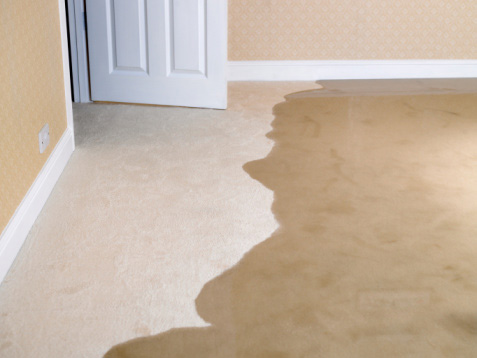
When floodwater enters a home, carpets act like sponges. Water quickly soaks into the fibers, backing, and padding beneath. In many cases, moisture also reaches the subfloor below.
Even when the carpet surface feels dry, moisture may still be trapped underneath. This can lead to:
- Lingering musty odors
- Fiber deterioration
- Bacterial growth
- Mold development
- Warping of subfloor materials
Because Florida’s climate is warm and humid, drying naturally can take much longer than homeowners expect.
Why Flood-Related Carpet Damage Is Common in Melbourne
Melbourne homes experience several conditions that increase the likelihood of carpet damage after flooding.
Heavy seasonal rain and hurricanes
Stormwater can enter homes through doors, windows, and roofing systems.
High humidity levels
Moisture evaporates slowly, allowing carpets and padding to remain damp.
Air conditioning systems running constantly
While AC systems reduce humidity, they can also slow drying in heavily saturated materials.
Low-lying neighborhoods and drainage issues
Water may take longer to recede, prolonging exposure to moisture.
Nearby areas such as Palm Bay, Satellite Beach, and Viera share many of these environmental factors, making flood-related carpet damage a common concern.
Signs Carpets Need Professional Cleaning After Flooding
Homeowners sometimes assume that once visible water is removed, carpets are safe. However, several signs indicate deeper moisture problems.
Common warning signs include:
- Persistent damp or musty smells
- Carpet that feels cool or slightly damp
- Discoloration or staining
- Edges of carpet lifting or curling
- Increased indoor humidity
These signs often appear days or even weeks after the flooding event.
Hidden Moisture That Homeowners Often Miss
One of the biggest challenges after flooding is locating moisture that cannot be seen. Water often spreads beyond the original wet area and settles in:
- Carpet padding beneath the surface
- Subfloors and wooden framing
- Baseboards and drywall near the floor
- Under furniture or inside closets
Without proper drying, these areas can remain damp long after the visible surface appears dry.
Why DIY Carpet Cleaning Is Usually Not Enough
Many homeowners try to clean or dry carpets using household fans, shop vacuums, or consumer-grade carpet cleaners. While these methods may remove surface moisture, they rarely solve deeper problems.
DIY methods often fall short because:
- Household equipment cannot extract deep moisture
- Padding remains wet beneath the carpet
- Humidity remains elevated indoors
- Bacteria and residues may remain embedded in fibers
Professional cleaning focuses on complete moisture removal rather than surface appearance.
How Professional Carpet Cleaning After Flooding Works
Professional carpet restoration involves several steps designed to remove moisture and prevent future problems.
Inspection and Moisture Detection
Technicians measure moisture levels in carpet, padding, and subfloor to determine how far water has spread.
Water Extraction
High-powered extraction equipment removes deep moisture from fibers and padding.
Drying and Dehumidification
Air movers and dehumidifiers accelerate drying and reduce indoor humidity.
Cleaning and Sanitizing
Carpets are cleaned to remove residues and contaminants left behind by floodwater.
Final Moisture Verification
Technicians confirm that moisture levels are safe before completing the job.
Companies such as Palm Bay Mold Removal often combine carpet cleaning with moisture detection to ensure hidden damp areas are addressed.
The Connection Between Flooding and Mold
Carpet cleaning plays an important role in preventing mold growth. Mold spores are naturally present in the air, but they require moisture to grow. Flood-damaged carpets provide ideal conditions for mold if not dried properly.
Early cleaning and drying help prevent:
- Mold growth beneath carpet padding
- Musty odors
- Damage to subfloors
- Indoor air quality problems
In many Melbourne homes, prompt drying prevents the need for more extensive mold remediation later.
Flood Restoration and Water Damage Repair
Carpet cleaning is often just one part of the restoration process. Flooding can affect multiple building materials, including:
- Drywall and insulation
- Baseboards and trim
- Wood framing
- Flooring beneath carpets
Water damage restoration may involve drying structural components and repairing damaged materials to ensure the home fully recovers.
Air Ducts, HVAC Systems, and Flooding
After flooding, HVAC systems should also be considered. Moisture can enter ductwork or accumulate around air handlers, especially when systems are located in attics or utility areas.
Technicians may inspect:
- Duct insulation
- Air filters and vents
- Condensation lines
- Humidity levels
Maintaining HVAC systems helps improve indoor air quality and supports the drying process.
How Homeowners Can Prevent Future Carpet Damage
While flooding cannot always be avoided, several practical steps can reduce the risk of long-term carpet damage.
Homeowners in Melbourne often benefit from:
- Inspecting roofs and plumbing regularly
- Keeping gutters and drainage systems clear
- Using dehumidifiers after heavy rain or storms
- Removing wet materials quickly
- Scheduling moisture inspections after flooding events
Homes in nearby communities like Merritt Island and Cocoa Beach often follow similar preventive routines because regional weather patterns are consistent.
Why Local Experience Matters in Flood Recovery
Flood restoration in coastal Florida requires knowledge of how humidity, storms, and construction materials interact. Drying times and moisture behavior in Melbourne homes differ from those in drier climates.
Professionals familiar with Brevard County conditions understand:
- Where moisture tends to accumulate
- How humidity affects drying
- Which materials are most vulnerable
- How to prevent recurring damage
Palm Bay Mold Removal and other experienced local specialists often focus on identifying hidden moisture and ensuring complete drying, which helps prevent future problems.
A Practical Next Step for Homeowners
Flooding can be stressful, but addressing carpet damage quickly makes a significant difference. Proper extraction, drying, and cleaning help protect flooring, prevent mold growth, and restore indoor comfort.
For homeowners in Melbourne, early action—removing water, scheduling inspections, and ensuring carpets and subfloors are thoroughly dried—can prevent small issues from becoming major repairs. With the right approach, most flood-related carpet damage can be effectively managed and prevented in the future.