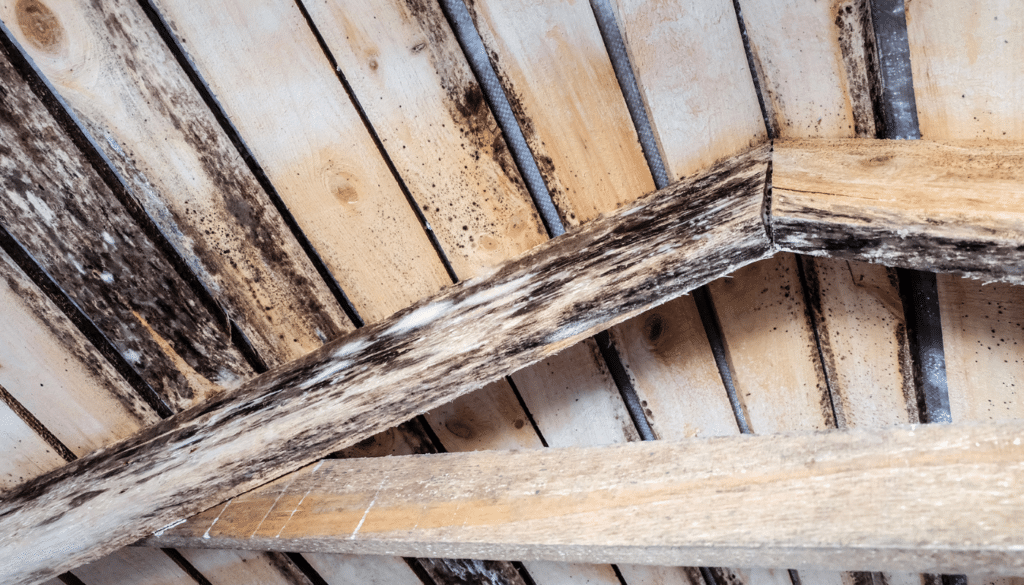
Complete Guide for Homeowners: Black Mold Removal in Titusville After Roof Leaks
Roof leaks are one of the most common causes of black mold in homes across Titusville. Even a small leak that seems harmless at first can allow moisture to enter attic spaces, ceilings, and walls. Over time, that trapped moisture creates ideal conditions for mold growth, especially in Florida’s warm and humid climate.
For homeowners, understanding how black mold develops after roof leaks, how removal works, and how to prevent it from returning is essential to protecting both the structure of the home and indoor air quality.
How Roof Leaks Lead to Black Mold
When a roof begins to leak, water rarely stays confined to one spot. It can travel along rafters, insulation, and drywall before becoming visible. By the time a stain appears on a ceiling, moisture may already be present in several areas.
Black mold often develops in materials that stay damp for extended periods, such as:
- Drywall and ceiling panels
- Wood framing and roof decking
- Insulation in attic spaces
- Carpet and subfloor near ceiling leaks
In many Titusville homes, mold begins in attic areas where heat and humidity slow the drying process.
Why Roof Leak Mold Is Common in Titusville
Homes in Titusville and nearby areas like Merritt Island, Cocoa Beach, and Viera face environmental conditions that increase the risk of mold growth.
Frequent storms and heavy rain
Seasonal storms and hurricanes place stress on roofing materials and flashing.
High humidity year-round
Moisture evaporates slowly, allowing damp materials to remain wet longer.
Attic heat buildup
Warm air trapped in attic spaces can create condensation, worsening small leaks.
Aging roofing materials
Older shingles, seals, and vents are more vulnerable to water intrusion.
These factors make prompt inspection and drying especially important after any roof leak.
Common Signs of Black Mold After a Roof Leak
Some warning signs appear quickly, while others take time to develop. Homeowners often notice:
- Musty or earthy odors
- Dark staining on ceilings or walls
- Peeling paint or bubbling drywall
- Warped trim or ceiling texture
- Increased indoor humidity
Sometimes mold develops in hidden areas where it cannot be seen, which is why inspection is important even when visible damage seems minor.
Hidden Areas Where Mold Often Develops
Black mold after roof leaks frequently forms in areas that are not easily visible.
These areas include:
- Inside attic insulation
- On roof decking and rafters
- Behind drywall in ceilings
- Around recessed lighting or vents
- Inside wall cavities below the leak
In many Brevard County homes, moisture can spread several feet from the original leak before becoming noticeable.
Why DIY Mold Removal Usually Fails
Homeowners sometimes attempt to clean mold using household cleaners or surface treatments. While this may remove visible staining, it rarely solves the full problem.
DIY methods often fail because:
- Mold roots can penetrate porous materials
- Moisture sources remain unresolved
- Hidden mold behind walls is not addressed
- Cleaning alone does not prevent regrowth
Effective mold removal requires both eliminating mold and correcting the moisture conditions that caused it.
Professional Mold Inspection and Testing Explained
Before removal begins, a professional inspection is usually recommended to determine the extent of the problem.
The inspection process often includes:
Moisture detection
Meters and thermal imaging help locate damp materials behind walls and ceilings.
Attic inspection
Roof decking, insulation, and rafters are examined for moisture and mold.
Air or surface evaluation
Testing may be used to confirm mold presence and determine severity.
Professionals familiar with Titusville homes understand how coastal humidity affects drying times and mold growth patterns. Companies such as Palm Bay Mold Removal often perform detailed inspections to ensure hidden areas are identified before remediation begins.
The Black Mold Removal and Remediation Process
Once mold is confirmed, remediation follows a structured process designed to prevent cross-contamination and ensure complete removal.
Typical steps include:
Containment
Affected areas are isolated to prevent spores from spreading to other parts of the home.
Removal of contaminated materials
Severely affected drywall, insulation, or carpeting may be removed.
Cleaning and treatment
Structural surfaces are cleaned using methods designed to remove mold growth safely.
Drying and dehumidification
Industrial drying equipment ensures moisture levels return to safe levels.
Final verification
Moisture readings confirm that the environment no longer supports mold growth.
This approach helps prevent mold from returning after repairs are completed.
The Role of Water Damage Repair After Roof Leaks
Mold removal alone is not enough if structural materials remain damp. Water damage repair may include:
- Replacing wet insulation
- Drying framing and subfloors
- Repairing ceilings or drywall
- Addressing roof ventilation problems
Proper drying is one of the most important steps in preventing recurring mold issues.
Air Ducts, AC Systems, and Mold Risk
HVAC systems can also be affected by roof leaks, especially when ductwork runs through attic spaces.
Technicians often inspect:
- Duct insulation
- Air handler units
- Condensation lines
- Vent connections
If moisture enters ductwork, it may circulate humid air throughout the home, slowing drying and affecting indoor air quality.
How to Prevent Mold After a Roof Leak
Preventive maintenance can significantly reduce the risk of mold returning. Homeowners in Titusville often benefit from simple but effective steps:
- Inspect roofs annually and after major storms
- Repair leaks immediately, even small ones
- Keep attic ventilation systems working properly
- Maintain indoor humidity below 60%
- Schedule periodic moisture inspections
Homes in nearby areas such as Rockledge and Satellite Beach often follow similar routines to manage humidity and storm-related moisture.
Why Local Experience Matters
Black mold removal in coastal Florida requires an understanding of humidity, building materials, and weather patterns specific to Brevard County.
Professionals with local experience can:
- Identify hidden moisture quickly
- Recommend drying methods suited to humid climates
- Recognize common roof leak patterns
- Prevent recurring mold growth
Palm Bay Mold Removal and other experienced local providers focus on addressing both mold and the moisture source, helping homeowners achieve long-lasting results.
A Practical Approach for Homeowners
Roof leaks are common, but serious mold damage is often preventable when problems are addressed early. Prompt inspections, proper drying, and professional remediation help protect both the structure of the home and indoor air quality.
For homeowners in Titusville, taking action after the first signs of a leak—repairing the roof, drying affected materials, and scheduling a mold inspection—can prevent small problems from becoming major repairs. With the right approach, most homes can be fully restored and protected against future moisture issues.