Moisture Detection Services in Merritt Island After Hurricanes: How to Prevent Future Damage
Hurricanes are a familiar part of life in Merritt Island and throughout Brevard County. Even when a storm passes without severe flooding, heavy rain, wind-driven water, and high humidity can leave behind hidden moisture inside homes. This moisture may not be visible right away, but it can lead to long-term problems such as structural damage, mold growth, and indoor air quality issues.
Moisture detection services play a key role in preventing these problems. By locating hidden damp areas early, homeowners can address issues before they turn into expensive repairs.
What Moisture Detection Really Means
Moisture detection is the process of identifying water trapped in building materials that may not be visible on the surface. After hurricanes, water often travels through insulation, drywall, flooring, and wood framing.
Even when surfaces feel dry, moisture may still be present inside:
- Walls and ceilings
- Subfloors and carpet padding
- Attic insulation
- Baseboards and trim
- Behind cabinets or appliances
Detecting this hidden moisture early is one of the most effective ways to prevent mold and structural deterioration.
Why Hurricane Moisture Problems Are Common in Merritt Island
Homes in Merritt Island face several environmental factors that make moisture issues more likely after storms.
Heavy rainfall and wind-driven water
Rain can enter through roof edges, vents, and small gaps around windows and doors.
High humidity levels
Florida’s climate slows evaporation, allowing moisture to linger for extended periods.
Attic heat and condensation
Warm attic air can trap moisture, especially in homes with limited ventilation.
Coastal exposure
Salt air and frequent storms gradually wear down roofing materials and seals.
Nearby communities such as Cocoa Beach, Satellite Beach, and Viera experience many of the same conditions, making moisture detection an important part of post-storm maintenance.
Common Signs of Hidden Moisture
After hurricanes, homeowners sometimes notice subtle changes that suggest moisture may be present.
These signs include:
- A musty or damp odor
- Slight discoloration on ceilings or walls
- Warped flooring or trim
- Peeling paint or bubbling drywall
- Increased indoor humidity
However, moisture can remain hidden even when none of these signs are obvious, which is why inspections are often recommended after major storms.
Hidden Areas Where Moisture Often Lingers
One of the challenges after hurricanes is that water rarely stays in one place. It spreads through materials and may appear far from the original entry point.
Common hidden areas include:
- Inside attic insulation
- Behind drywall in exterior walls
- Around air conditioning ducts
- Beneath flooring or tile
- Inside wall cavities below roof leaks
In many Merritt Island homes, attic spaces are especially vulnerable because warm air rises and slows the drying process.
Why DIY Checks Often Miss the Problem
Homeowners often inspect visible areas or use household fans to dry damp spaces. While these steps can help with surface moisture, they rarely detect deeper problems.
DIY checks may miss:
- Moisture behind walls
- Damp insulation in attic spaces
- Water trapped under flooring
- Humidity pockets inside closets or enclosed areas
Without proper tools, it is difficult to determine whether a structure has fully dried.
How Professional Moisture Detection Works
Professional moisture detection uses specialized equipment to identify hidden dampness quickly and accurately.
The process usually includes:
Moisture Meter Testing
Meters measure moisture levels inside drywall, wood, and flooring.
Thermal Imaging
Infrared cameras reveal temperature differences that often indicate moisture behind surfaces.
Humidity Assessment
Indoor humidity levels are measured to determine whether conditions support mold growth.
Attic and Structural Inspection
Attics, crawl spaces, and other vulnerable areas are checked for water intrusion.
Companies such as Palm Bay Mold Removal often perform detailed moisture mapping, helping homeowners understand exactly where water has spread after a hurricane.
What Happens If Moisture Is Found
If moisture is detected, drying and restoration steps may be recommended depending on the severity of the problem.
These steps may include:
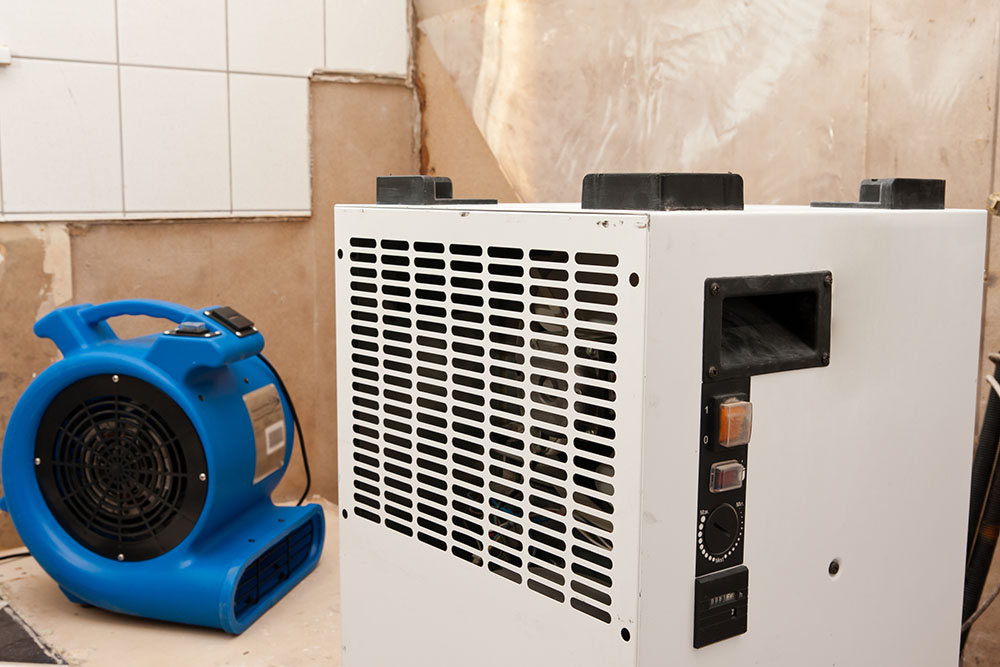
- Structural drying with air movers and dehumidifiers
- Removing saturated materials when necessary
- Cleaning and treating affected areas
- Verifying moisture levels before repairs
Proper drying is essential because trapped moisture can lead to mold growth within a few days in Florida’s climate.
The Connection Between Moisture and Mold
Mold spores are always present in the air, but they require moisture to grow. After hurricanes, damp materials provide ideal conditions for mold development.
Moisture detection helps prevent mold by:
- Identifying wet materials early
- Ensuring complete drying
- Locating areas at risk before mold forms
In many Merritt Island homes, early detection prevents the need for more extensive remediation later.
Air Ducts, AC Systems, and Humidity After Storms
Air conditioning systems play a major role in controlling humidity, but they can also be affected by storm conditions.
Technicians often inspect:
- Duct insulation
- Condensation lines
- Air handlers in attic spaces
- Vent airflow
If moisture enters ductwork, it may circulate humid air throughout the home, slowing the drying process and affecting indoor air quality.
Practical Steps to Prevent Future Moisture Damage
While hurricanes cannot be avoided, several preventive measures can reduce the risk of long-term moisture problems.
Homeowners in Merritt Island often benefit from:
Inspecting roofs and flashing regularly
Small leaks are easier to repair before storms arrive.
Maintaining gutters and drainage systems
Proper drainage keeps water away from foundations.
Using dehumidifiers after storms
Lower humidity speeds drying and reduces mold risk.
Checking attics and ceilings after heavy rain
Early detection prevents widespread damage.
Scheduling periodic moisture inspections
Routine checks help identify small issues before they grow.
Homes in nearby areas like Rockledge and Titusville often follow similar maintenance routines because regional weather patterns are consistent.
Why Local Experience Matters
Moisture behavior in coastal Florida homes is different from homes in drier climates. High humidity, frequent storms, and salt air all influence how water moves through building materials.
Professionals familiar with Merritt Island conditions understand:
- Where moisture is most likely to accumulate
- How long drying typically takes in humid air
- Which construction features are most vulnerable
- How to prevent recurring problems
Palm Bay Mold Removal and other experienced local providers focus on identifying the source of moisture as well as drying affected areas, helping homeowners avoid repeat issues.
A Practical Approach After Hurricanes
Moisture problems after hurricanes can be stressful, but early detection makes a significant difference. Identifying hidden dampness, drying materials thoroughly, and maintaining proper humidity levels are the most effective ways to protect a home.
For homeowners in Merritt Island, taking a proactive approach—inspecting after storms, repairing leaks quickly, and scheduling moisture detection when needed—helps prevent long-term structural damage and mold growth. With the right steps, homes can remain safe, dry, and comfortable even in a hurricane-prone coastal environment.