Mold Testing Services in Palm Bay in Residential Homes: Complete Guide for Homeowners
Mold is a concern many homeowners in Palm Bay eventually face, especially in a climate where humidity, seasonal rains, and frequent storms create ideal conditions for moisture problems. Often, mold is not immediately visible, and that is where professional mold testing becomes important. Testing helps confirm whether mold is present, how widespread it may be, and what steps are necessary to address it properly.
For homeowners, understanding how mold testing works—and when it is needed—can prevent unnecessary repairs and help protect the long-term condition of a property.
What Mold Testing Is and Why It Matters
Mold testing is the process of evaluating indoor environments to determine whether mold spores are present in unusual concentrations and to identify areas where growth may be occurring. While mold spores exist naturally in the air, elevated levels indoors can indicate a moisture issue that needs attention.
Testing is especially useful when:
- A musty odor is present but no mold is visible
- Water damage or roof leaks have occurred
- Humidity levels remain high indoors
- Residents experience recurring dampness or condensation
In Palm Bay homes, these situations are common due to coastal weather patterns and frequent summer storms.
Why Mold Problems Are Common in Palm Bay Homes
Several local factors make mold growth more likely in residential properties throughout Palm Bay, Melbourne, and nearby Brevard County communities.
High humidity year-round
Warm air holds moisture, and indoor humidity can remain elevated even when air conditioning is running.
Heavy seasonal rainfall
Storms and hurricanes often introduce moisture into roofing systems, attics, and wall cavities.
Air conditioning condensation
Improper drainage or insulation around HVAC systems can lead to hidden damp areas.
Limited ventilation in attics and crawl spaces
Poor airflow slows drying and allows moisture to accumulate.
These conditions create environments where mold can develop quietly, often out of sight.
Common Signs That Mold Testing May Be Needed
Homeowners in Palm Bay often consider mold testing after noticing subtle changes in their homes. Some of the most common indicators include:
- Persistent musty or earthy odors
- Discoloration on walls or ceilings
- Peeling paint or bubbling drywall
- Increased indoor humidity
- Past flooding or plumbing leaks
Even when these signs appear minor, testing helps determine whether moisture has created hidden problems.
Hidden Areas Where Mold Often Develops
One reason mold testing is valuable is that mold frequently grows in areas that are difficult to see.
These locations may include:
- Behind drywall
- Under flooring or carpet padding
- Inside attic insulation
- Around air ducts and vents
- Beneath cabinets or appliances
Homes in coastal areas such as Satellite Beach, Merritt Island, and Cocoa Beach often experience attic moisture issues because warm air rises and condenses in roof spaces.
Why DIY Mold Testing Is Often Inaccurate
Homeowners sometimes purchase home testing kits, but these rarely provide reliable information about the overall condition of a home.
DIY tests may:
- Detect spores that are naturally present in normal levels
- Miss hidden mold behind walls
- Provide unclear or misleading results
- Fail to identify moisture sources
Professional testing focuses not just on identifying mold but on understanding why it is present and where moisture is coming from.
How Professional Mold Testing Works
A professional mold testing service typically follows a structured process designed to gather accurate information about the home’s environment.
Initial Inspection
The process begins with a visual assessment of areas prone to moisture, such as bathrooms, kitchens, attics, and laundry rooms.
Moisture Detection
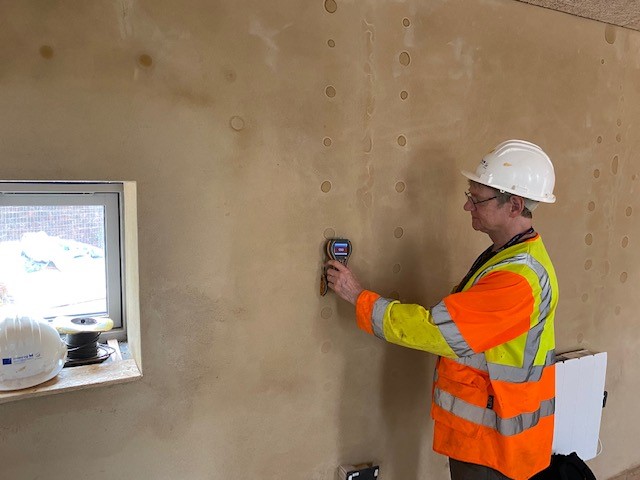
Moisture meters and thermal imaging tools help locate damp areas that may not be visible.
Air Sampling
Air samples may be collected to compare indoor spore levels with outdoor levels, helping determine whether mold is actively growing indoors.
Surface Sampling
If visible mold is present, samples may be taken to identify the type and extent of growth.
Professionals familiar with Palm Bay conditions understand where moisture is most likely to accumulate and how coastal weather influences mold patterns. Companies such as Palm Bay Mold Removal often perform testing as part of a broader inspection process to ensure no hidden areas are overlooked.
Understanding Mold Testing Results
After testing is completed, results typically provide information about:
- Types of mold spores detected
- Concentration levels
- Areas of concern
- Recommendations for further action
These results help homeowners decide whether remediation, drying, or preventive maintenance is necessary.
In many cases, addressing moisture sources is just as important as removing mold itself.
The Role of Mold Remediation After Testing
If testing confirms mold growth, remediation may be recommended to remove affected materials and prevent further spread.
A typical remediation process may include:
- Isolating affected areas
- Removing contaminated materials when necessary
- Cleaning and treating surfaces
- Drying structural components
- Verifying moisture levels before rebuilding
The goal is not only to remove mold but also to correct the conditions that allowed it to develop.
Water Damage and Mold: A Close Connection
In Palm Bay homes, mold testing is often performed after water damage events such as:
- Roof leaks
- Plumbing failures
- Flooding after storms
- Air conditioning leaks
Even small leaks can create enough moisture for mold to grow within days. Proper drying and inspection help prevent long-term damage.
Air Ducts, HVAC Systems, and Indoor Air Quality
HVAC systems play a major role in controlling humidity, but they can also contribute to mold problems if moisture accumulates inside ductwork or air handlers.
During inspections, technicians may check:
- Duct insulation
- Condensation lines
- Air filters and vents
- Humidity levels throughout the home
Maintaining HVAC systems and scheduling periodic air duct cleaning can help reduce moisture buildup and improve indoor air quality.
Preventing Mold in Palm Bay Homes
Preventive steps are often the most effective way to avoid mold problems. Homeowners can reduce risk by:
- Keeping indoor humidity below 60%
- Repairing leaks promptly
- Ensuring proper attic ventilation
- Using exhaust fans in kitchens and bathrooms
- Scheduling periodic moisture inspections
Many homeowners in Viera, Rockledge, and Titusville follow similar maintenance routines because climate conditions are consistent across the region.
Why Local Experience Makes a Difference
Mold testing in Florida requires an understanding of local construction methods, weather patterns, and humidity levels. Professionals who regularly work in Brevard County recognize common problem areas and seasonal trends.
Local experience helps inspectors:
- Identify hidden moisture sources
- Interpret testing results accurately
- Recommend practical solutions suited to coastal homes
Palm Bay Mold Removal, for example, focuses on identifying the underlying cause of mold issues rather than only treating visible areas, which helps prevent recurring problems.
A Practical Next Step for Homeowners
Mold testing provides clarity and peace of mind, especially after water damage or when indoor air quality becomes a concern. For many Palm Bay homeowners, testing is the first step in protecting both property value and long-term structural integrity.
Addressing moisture early, maintaining ventilation, and scheduling inspections when needed can prevent small issues from turning into major repairs. With the right information and timely action, most mold problems can be managed effectively and safely.