
Mold Remediation in Satellite Beach After Storm Damage: Professional Tips for Property Owners
Storm season in Satellite Beach is something every property owner understands. Coastal winds, heavy rain bands, and occasional hurricane activity are part of life along this stretch of Brevard County. What often catches homeowners off guard, however, is what happens after the storm passes.
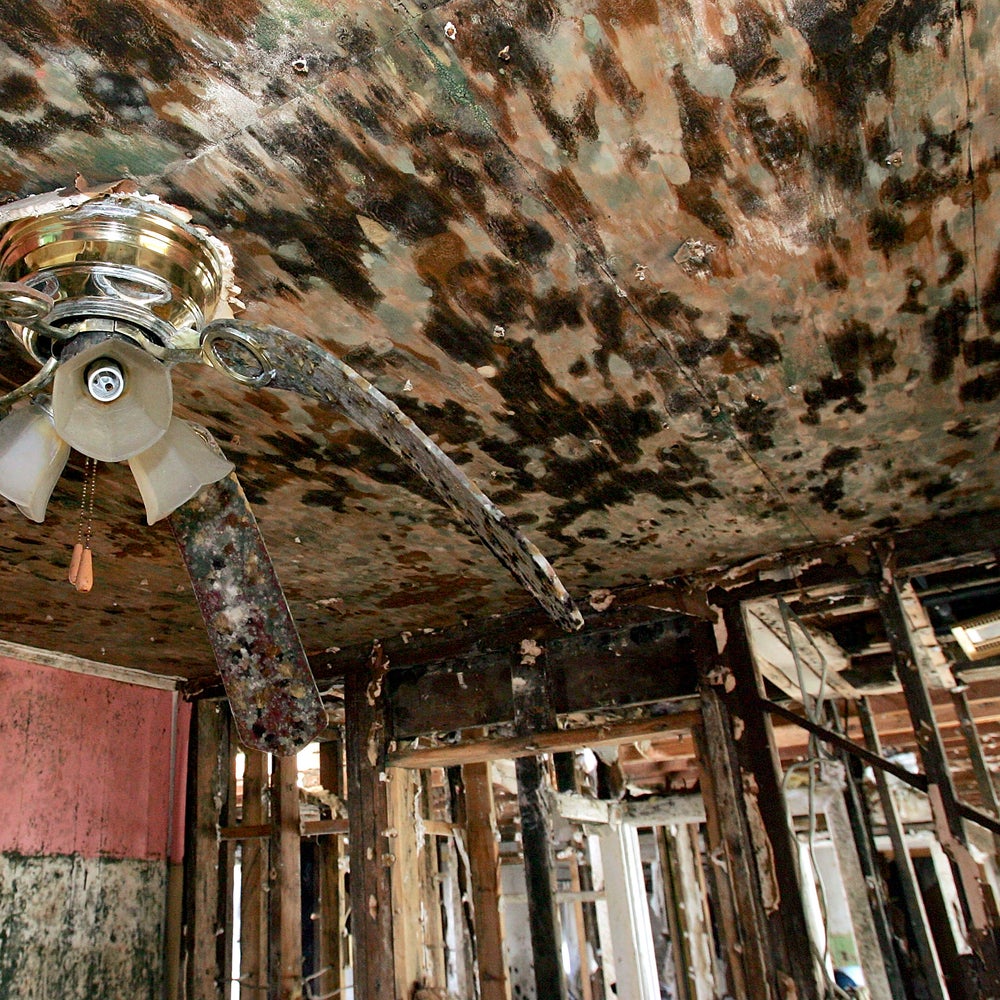
Water intrusion from roof damage, window leaks, or minor flooding can quickly turn into a mold problem. In Florida’s coastal humidity, mold growth doesn’t wait. Within 24 to 48 hours, damp building materials can begin supporting mold colonies. Proper mold remediation after storm damage is not just a cleanup task. It’s a structured restoration process that protects the structure of the property long-term.
Understanding How Storm Damage Leads to Mold
Storm damage creates multiple pathways for moisture to enter a home. Wind-driven rain can penetrate roof shingles or flashing. Window seals can fail under pressure. Sliding glass doors common in Satellite Beach homes may allow water to seep into flooring and wall cavities.
Even small amounts of water intrusion can cause significant issues. Drywall absorbs moisture quickly. Insulation retains water. Wooden framing holds dampness longer than most people expect.
In a coastal environment like Satellite Beach, elevated humidity slows the natural drying process. Materials that might dry quickly in inland areas such as Viera or Rockledge often remain damp much longer near the ocean. That extended moisture exposure is what allows mold to take hold.
Why Mold Growth Is Common in Satellite Beach Homes
Satellite Beach properties face unique environmental challenges. Salt air contributes to wear on exterior materials. Storm winds push rain horizontally rather than vertically, forcing water into areas not typically exposed.
Many homes in this area are built with block construction and slab foundations. While durable, these materials can trap moisture internally if not properly dried after intrusion. Attics also become vulnerable when high winds compromise roofing systems.
Air conditioning systems run heavily after storms to control indoor humidity. If moisture has entered ductwork or air handlers, spores can circulate throughout the home. Without proper inspection, mold growth may spread beyond the original water-damaged area.
Early Warning Signs Property Owners Should Watch For
After a storm, not all damage is immediately visible. Property owners in Satellite Beach should monitor for:
Musty or earthy odors
Discoloration on ceilings or upper walls
Soft or swollen drywall
Bubbling paint near windows
Warped flooring or baseboards
Increased indoor humidity levels
Sometimes mold forms behind walls before appearing on the surface. By the time visible spotting develops, moisture may have been present for weeks.
Hidden Areas Frequently Overlooked
Storm-related moisture does not always stay where it enters. Water from roof leaks can travel along rafters before dripping into wall cavities. Window leaks may affect insulation beneath flooring.
Common hidden trouble spots include:
Inside exterior walls
Under kitchen or bathroom cabinets
Beneath laminate flooring
Behind built-in shelving
Inside HVAC ductwork
In attic insulation
Homes in nearby Cocoa Beach and Merritt Island face similar coastal moisture movement. Because water can migrate through structural pathways, professional moisture detection is essential.
Why Immediate Drying Is Critical
Time matters after storm damage. The longer materials remain wet, the greater the risk of mold colonization.
Professional drying involves more than placing a household fan in a room. Industrial air movers create directed airflow across wet surfaces. Commercial dehumidifiers extract moisture from the air to accelerate structural drying.
Moisture readings are taken regularly to ensure that drywall, framing, and subfloor materials reach safe levels. Without monitoring, surfaces may feel dry while internal moisture remains trapped.
Why DIY Mold Cleanup Often Fails
Many property owners attempt to clean visible mold using over-the-counter products. While surface discoloration may lighten temporarily, the root issue often remains.
Cleaning without containment can disturb mold colonies and release spores into unaffected areas. Painting over stained drywall does not eliminate contamination within the wall cavity.
Removing materials without proper air filtration may contaminate the HVAC system, allowing spores to spread throughout the property.
Professional remediation focuses on identifying the moisture source first. Without correcting the underlying water issue, mold will return.
What Professional Mold Remediation Involves
Mold remediation after storm damage follows a structured process designed to control contamination and restore the property safely.
The first step is inspection and moisture mapping. Technicians use moisture meters and thermal imaging to identify damp areas not visible to the eye.
Containment barriers are installed to isolate affected zones. Negative air machines equipped with HEPA filtration prevent spores from spreading during removal.
Contaminated drywall, insulation, or flooring materials are removed when necessary. Structural components such as wood framing are cleaned and treated using professional remediation solutions.
Drying equipment remains in place until moisture readings confirm safe conditions. Final verification ensures the structure is stable before rebuilding begins.
Palm Bay Mold Removal has handled storm-related remediation throughout Satellite Beach and surrounding coastal communities, where understanding local construction styles is critical.
The Role of HVAC Systems After Storm Damage
After a storm, HVAC systems must be evaluated carefully. Air handlers exposed to moisture can harbor mold internally. Ductwork located in attics may become contaminated if roof leaks occur.
Air duct cleaning may be recommended when contamination is detected. Drain lines should also be checked to ensure proper function, as clogged lines contribute to ongoing moisture buildup.
Maintaining indoor humidity below 60 percent is essential in coastal environments. Supplemental dehumidification may be necessary during the restoration period.
Structural Repairs and Long-Term Stability
Mold remediation often overlaps with storm damage repair. Roofing components, flashing, or window seals may need correction to prevent future intrusion.
Drywall and insulation replacement must occur only after structural materials are fully dry. Rebuilding too soon can trap residual moisture and restart the mold cycle.
In some Satellite Beach homes, attic ventilation improvements are recommended to reduce long-term humidity buildup.
Prevention Tips for Coastal Property Owners
Preventing mold after storm damage requires ongoing attention.
Inspect roofing annually and after major storms.
Seal windows and doors properly.
Ensure attic ventilation remains unobstructed.
Maintain gutters and downspouts.
Monitor indoor humidity levels.
Schedule regular HVAC maintenance.
Homes near the shoreline face consistent moisture exposure. Preventative maintenance reduces the likelihood of repeated issues.
Why Local Experience Matters in Satellite Beach
Storm damage patterns vary across Brevard County. Coastal wind exposure in Satellite Beach differs from inland communities like Titusville.
Understanding how wind-driven rain affects block construction, slab foundations, and coastal roofing systems allows for more accurate remediation planning.
Palm Bay Mold Removal has worked extensively in Satellite Beach and nearby communities. Familiarity with local environmental conditions allows for quicker identification of high-risk areas and more effective remediation strategies.
Taking the Right Steps After Storm Damage
Storm damage can feel overwhelming, especially when water intrusion leads to mold concerns. Acting quickly and methodically is the best approach.
Professional mold remediation addresses both visible contamination and hidden moisture. By controlling humidity, removing damaged materials, and restoring structural stability, property owners can protect their investment long-term.
In Satellite Beach’s coastal climate, proper remediation is not optional. It is a necessary step in restoring a safe, dry living environment after storm damage.
If your property has experienced water intrusion following a storm, timely inspection and structured remediation can prevent larger structural problems and recurring mold growth in the future.