Professional Tips for Property Owners: Black Mold Removal in Rockledge After Flooding
Flooding in Florida can happen suddenly, especially in coastal areas like Rockledge. Heavy rains, hurricanes, and storm surges can lead to water intrusion in homes and commercial properties, creating the perfect environment for black mold growth. Black mold is one of the most persistent and damaging types of mold, thriving in damp, poorly ventilated areas. For property owners, understanding how to address mold after flooding, recognize early warning signs, and prevent recurrence is essential to protect both property and occupant health.
This guide provides a comprehensive overview of black mold removal after flooding in Rockledge, tailored for homeowners, landlords, and property managers. It combines professional insight with practical steps to restore safety, maintain indoor air quality, and safeguard structural integrity.
Understanding Black Mold After Flooding
Black mold, scientifically known as Stachybotrys chartarum, thrives in wet, cellulose-rich materials like drywall, wood, and insulation. After flooding, water saturates building materials, creating an ideal environment for mold to grow. Black mold can produce allergens and irritants, and while it is not always immediately dangerous to healthy adults, it can cause respiratory discomfort and aggravate existing conditions like asthma.
Flooding introduces water into hidden areas, such as:
- Crawl spaces and basements
- Wall cavities and insulation
- Attics and roof spaces
- Carpets and padding
- HVAC ductwork
Even after the floodwaters recede, residual moisture can persist, providing the perfect conditions for black mold colonization if not addressed promptly.
Why Rockledge Homes Are Susceptible
Several factors make Rockledge properties particularly vulnerable to mold growth after flooding:
- High Humidity: Florida’s year-round humidity accelerates mold growth.
- Stormwater Intrusion: Coastal areas experience both rainfall runoff and storm surges, leading to foundation seepage.
- Older Homes: Many Rockledge properties have older construction, including slab foundations and wood framing, which absorb water more readily.
- Poor Ventilation: Basements, attics, and crawl spaces may have limited airflow, allowing moisture to linger.
- HVAC Systems: Ducts and air handlers exposed to floodwaters can spread mold spores throughout the property.
Nearby communities such as Palm Bay, Viera, and Cocoa Beach experience similar challenges during heavy storms.
Early Warning Signs of Black Mold
Property owners should be vigilant for early indicators of mold growth:
- Musty or earthy odors near walls, floors, or ceilings
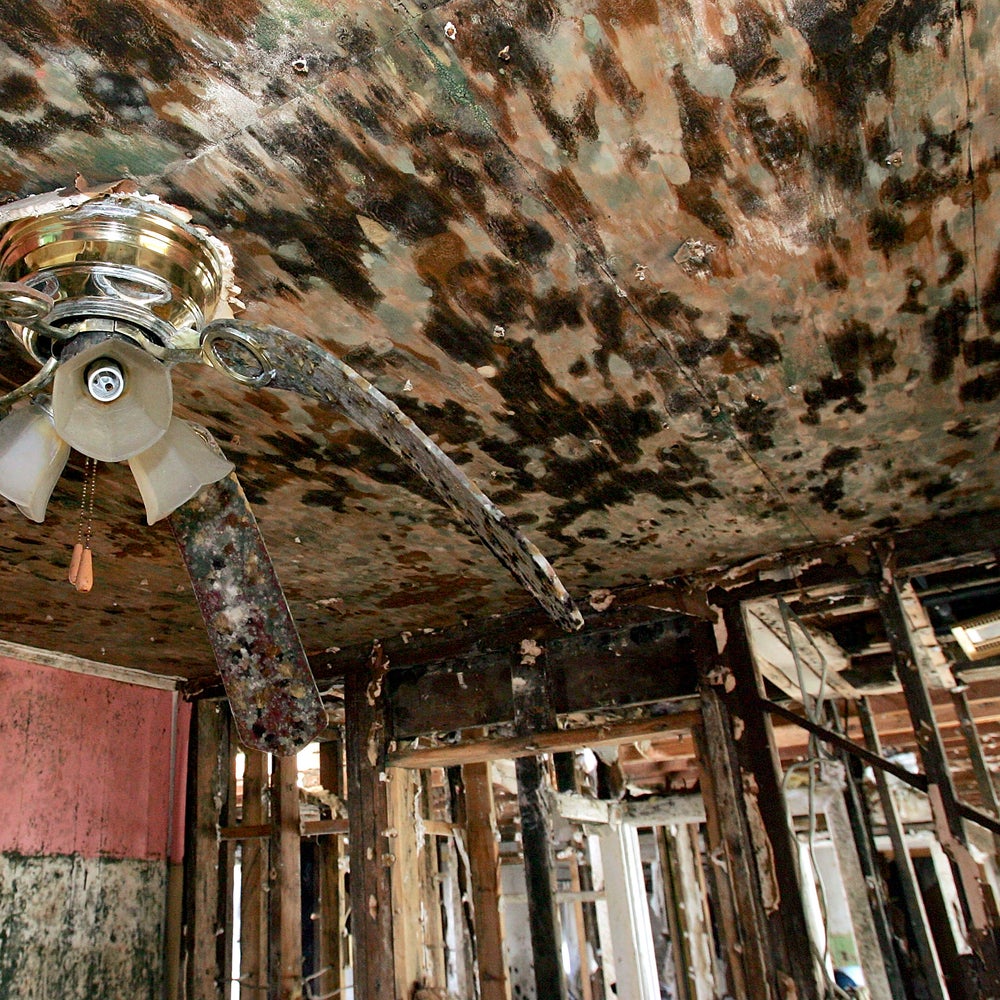
- Discoloration or dark spots on drywall, wood, or ceilings
- Peeling paint or warped surfaces due to water absorption
- Condensation on windows or walls after flood events
- Visible growth in damp, hidden areas such as under flooring or in attic corners
- Health symptoms such as coughing, sneezing, or respiratory irritation among occupants
Early detection is crucial, as black mold can spread rapidly in favorable conditions, often reaching hidden areas before it is visually noticeable.
Step 1: Post-Flood Assessment
Before attempting mold removal, a thorough post-flood assessment is essential:
- Visual Inspection: Identify water-damaged areas in ceilings, walls, and floors.
- Moisture Testing: Use moisture meters or infrared cameras to detect hidden damp spots.
- HVAC Check: Inspect ductwork, air handlers, and filters for water exposure.
- Structural Evaluation: Ensure floodwaters haven’t compromised load-bearing components or flooring.
This assessment helps determine which areas require remediation and which materials need replacement versus cleaning.
Step 2: Containment
Containment is critical to prevent black mold spores from spreading during remediation:
- Seal off affected rooms using plastic sheeting and barriers
- Establish negative air pressure in contaminated zones
- Close doors and vents to unaffected areas
- Use HEPA-filtered air scrubbers to trap spores in the work area
Proper containment ensures that cleaning efforts are effective and prevents cross-contamination to other areas of the property.
Step 3: Removal of Contaminated Materials
Some materials may be beyond cleaning and require removal:
- Porous Materials: Wet drywall, insulation, carpet padding, and ceiling tiles often need full replacement.
- Semi-Porous Materials: Treated wood and some flooring may be salvageable after professional cleaning and drying.
- HVAC Components: Ductwork exposed to floodwaters may require cleaning, sanitization, or replacement.
Removing contaminated materials eliminates the primary source of mold spores and prevents future outbreaks.
Step 4: Professional Cleaning and Treatment
Cleaning after black mold removal involves specialized techniques:
- HEPA Vacuuming: Captures loose spores from surfaces and floors.
- Antimicrobial Treatment: Application of mold-specific cleaning solutions to disinfect and prevent regrowth.
- Scrubbing and Surface Treatment: Especially on structural elements like beams and studs.
- Duct and Air Handler Cleaning: Ensures spores are not recirculated through the HVAC system.
Professional treatment is more effective than DIY methods, as improper cleaning can spread spores or leave mold behind in hidden areas.
Step 5: Drying and Dehumidification
Even after visible mold is removed, residual moisture must be addressed to prevent recurrence:
- Industrial dehumidifiers remove moisture from the air and building materials.
- Fans improve airflow and accelerate drying of attics, crawl spaces, and wall cavities.
- Continuous monitoring ensures that materials return to safe moisture levels before reconstruction.
Drying is essential to prevent mold from returning, particularly in Florida’s humid climate.
Step 6: Reconstruction and Repairs
After mold remediation and drying, repair and restoration are needed:
- Replace drywall, insulation, flooring, and ceiling tiles that were removed.
- Repair roofing, flashing, and gutters to prevent future water intrusion.
- Address HVAC system issues to ensure no residual moisture remains.
- Repaint and restore interior surfaces using moisture-resistant coatings where applicable.
Proper repairs not only restore functionality but also reduce the likelihood of recurring mold problems.
Step 7: Preventive Measures
Property owners can take several steps to reduce the risk of black mold after future floods:
- Roof and Gutter Maintenance: Ensure roofs are intact and gutters are free of debris.
- Proper Drainage: Grade landscapes to direct water away from foundations.
- HVAC Maintenance: Inspect ducts, filters, and air handlers regularly.
- Dehumidifiers: Use in basements, attics, and other moisture-prone areas.
- Routine Inspections: Schedule seasonal checks, especially after storms or heavy rains.
These preventive strategies are particularly important in Rockledge, where humidity and coastal weather conditions create an environment conducive to mold growth.
Why Local Expertise Matters
Black mold remediation in Rockledge requires knowledge of Florida’s climate, building construction, and stormwater patterns. Local professionals understand:
- Seasonal rainfall and storm-related water intrusion
- Common areas of mold growth in Florida homes
- Effective mold removal and preventive techniques suited to coastal properties
- Long-term solutions to protect property and maintain indoor air quality
Companies like Palm Bay Mold Removal have experience in Rockledge, Palm Bay, Titusville, and surrounding Brevard County communities, providing professional inspections, black mold removal, and repair services tailored to local needs.
Calm, Practical Next Steps for Property Owners
Homeowners and property managers should take a methodical approach after flooding:
- Conduct a professional assessment to locate hidden moisture and mold.
- Contain affected areas to prevent spore spread.
- Remove heavily contaminated materials safely.
- Clean and treat salvageable surfaces with professional solutions.
- Dry all areas thoroughly using dehumidifiers and airflow management.
- Repair structural elements and restore the home.
- Implement preventive measures to reduce future mold risk.
By following these steps, property owners can protect both their investment and the health of occupants while minimizing long-term damage from black mold.
Proactive, professional intervention ensures Rockledge homes remain safe, dry, and resilient after flooding, preserving property value and comfort year-round.